Mali’s five-year crossroads: goïta’s coup and the deepening Sahel crisis
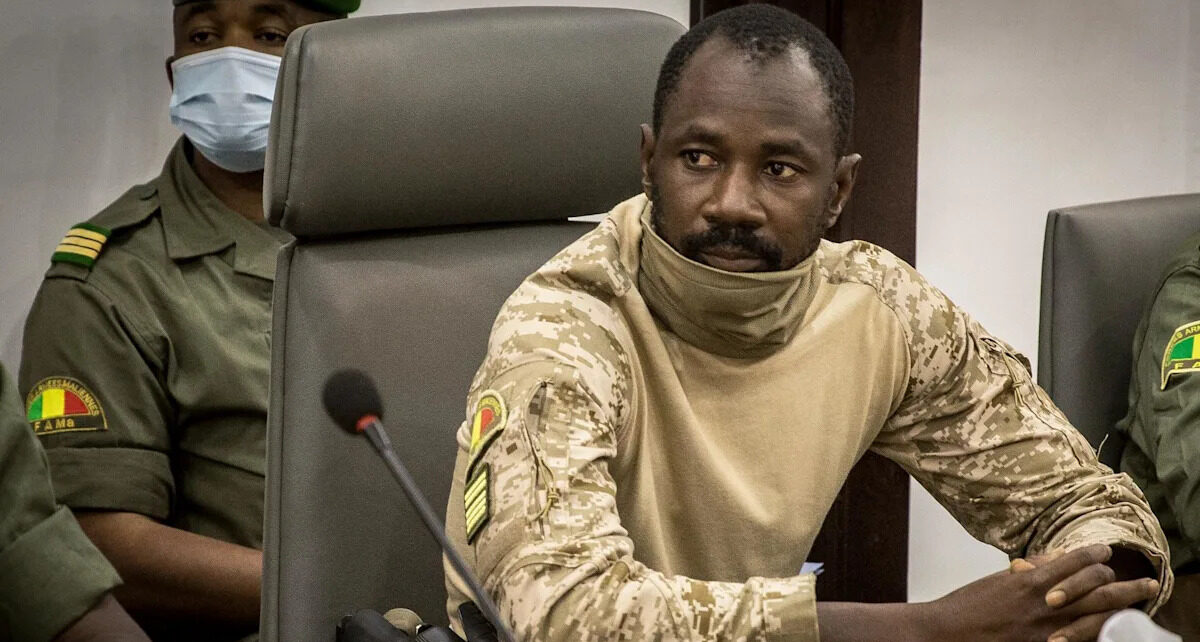
This Sunday marks a significant five-year milestone since General Assimi Goïta seized power in Mali through a coup d’état. In the wake of this military takeover, a growing chorus of criticism highlights a concerning decline in conditions for the Malian populace: diminished security, restricted freedom of expression, and a shrinking space for press freedom.
To better understand the intricate situation on the ground, I engaged in a candid discussion with Ulf Laessing, who directs the Sahel program at the Konrad Adenauer Foundation in Mali.
insights from ulf laessing
Laessing observed a clear escalation in state repression. He noted that expressing dissenting views has become increasingly difficult. While frank conversations might still occur among trusted acquaintances in Mali, a pervasive caution now governs public discourse. This heightened repression, he emphasized, represents a direct indictment of the current government. He further pointed out that critical voices have faced imprisonment, compelling others to seek refuge in exile.
have conditions improved under military rule?
I questioned Laessing about any positive developments for the population since the military assumed power. He acknowledged that, initially, security did see some localized improvements in certain areas. For a period, the route to Ségou remained accessible, and some farmers even managed to return to their fields.
However, this positive trend proved fleeting. The crisis has persisted, and when considering Mali’s substantial population growth, the impacts of climate change, and the pervasive insecurity, Laessing expressed profound pessimism regarding any government’s ability to significantly alter the current trajectory.
I also pressed Laessing on the military’s initial pledge in 2020 to eradicate jihadist groups, observing that this ambition has largely gone unfulfilled.
Laessing concurred, stating that groups like JNIM and Islamic State now effectively control significant portions of the country. He believes that no government, whether a new coup regime or a future elected body, will likely succeed in reclaiming these territories. He remains quite pessimistic about the prospects for pacifying the nation.
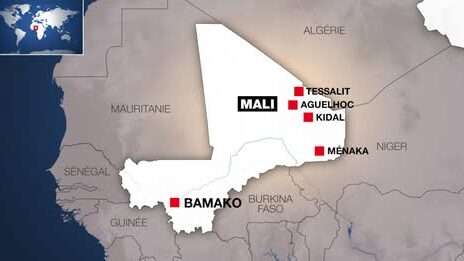
In late April, a series of coordinated attacks by jihadists and Tuareg rebels highlighted the severity of the security challenges.
“Indeed, that was a profound shock,” Laessing confirmed. He described it as the most extensive assault since 2012, when Tuareg rebels and jihadists briefly controlled the north before French intervention a year later. “It was a direct confrontation with the state,” he elaborated. While the government has managed to hold its ground, losing some northern territories, the rebels do not appear to be advancing further for now. Nevertheless, this incident represents a significant blow to the government’s prestige. It was a dramatic and unforeseen attack, particularly surprising given the presence of Russian mercenaries who were ostensibly there to enhance security.
the role of russian mercenaries and regional allies
I inquired about the unexpected withdrawal of Russian mercenaries, who, despite their presence, seemed to retreat without significant engagement, and the lack of military support from Mali’s allies, Niger and Burkina Faso, members of the Alliance of Sahel States (AES). This left Mali notably isolated. What accounted for this?
Laessing explained that the Russian presence has always been more about optics than substance. With an estimated 1,500 to 2,000 mercenaries, they represent only a third of the French forces that previously struggled to stabilize the entire country. Their brutal tactics, he argued, have likely exacerbated the conflict. Ultimately, their withdrawal from Kidal and two other northern locations without a fight was a humiliating display.
He also noted the absence of substantial support from Niger and Burkina Faso, despite their claims of air strikes. On that critical day, Mali was essentially isolated. This was not surprising, as both Niger and Burkina Faso are grappling with their own severe jihadist insurgencies. Laessing concluded that they likely lack the capacity to assist Mali, even if they had the desire.
AES solidarity: rhetoric vs. reality
I then probed whether the much-touted solidarity among the three AES states was, in reality, less robust than it appeared.
Laessing affirmed that while they share strong political alignment and numerous joint initiatives, they are hampered by a lack of political will and, crucially, insufficient capabilities to execute these plans. The three military leaders, Assimi Goïta, Abdourahamane Tiani, and Ibrahim Traore, share a common ideology, which unites them.
However, he urged realism, highlighting that these are three of the world’s poorest nations. This cooperation is not akin to the European Union building infrastructure together or NATO’s mutual defense pact. Instead, he described them as three incredibly impoverished countries fighting for their very survival.
pathways to peace: can negotiation work?
I then asked Laessing about potential solutions for Mali’s deep-seated problems. He pointed to a positive observation: the Malian people unequivocally reject Sharia law and Islamist rule. This widespread sentiment, he suggested, could have been a catalyst for protests despite the inherent dangers and government repression. However, it is simply not what the population desires.
He expressed hope that this fundamental rejection could serve as a foundation for future action, suggesting that at some point, genuine negotiations with the more moderate factions among the jihadist groups must commence, paving the way for dialogue.
negotiating with jihadists: a complex reality
I challenged this notion, questioning the feasibility of negotiating with jihadists whose stated goal is to control the country and impose Sharia law.
Laessing offered a nuanced perspective, suggesting that JNIM might not realistically aim to control a major city like Bamako or the entire nation. Instead, their objective could be to secure autonomy in certain regions and coexist with other entities. In Bamako, they might seek a government amenable to implementing a degree of Sharia law and engaging in negotiations with them.
He underscored a crucial distinction: unlike some conflicts in the Middle East, these jihadists are not foreign aggressors motivated solely by violence. They are local individuals, often exploiting grievances related to access to vital resources like water and land.
Laessing believes that at some point, discussions will be inevitable. Military action is necessary, but so is dialogue with moderate elements. He noted that there are already some local pressures within Mali advocating for this approach.
He cited Mauritania as an example of a nation that faced a similar challenge. Their response combined military force with strategic compromises, such as the prohibition of alcohol and the country’s designation as an Islamic Republic. This demonstrates that a full

Related Articles