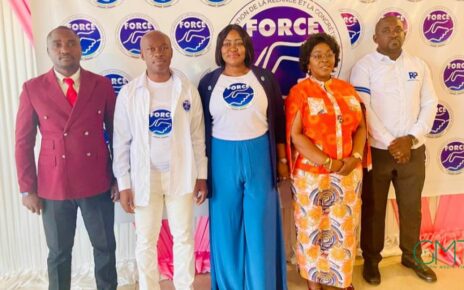
The long-awaited decision has been made. Meeting in Abidjan for its inaugural national congress, the Parti des peuples africains-Côte d’Ivoire (PPA-CI) formally reappointed Laurent Gbagbo as its president. The announcement came on May 14, 2026, marking the 81-year-old former head of state’s return to leadership of the party he founded in October 2021, following his definitive split from the Front populaire ivoirien (FPI). This historic gathering unfolds against a backdrop of shrinking political space for Côte d’Ivoire’s radical opposition.
Rebuilding momentum after electoral setbacks
The PPA-CI faced a challenging electoral cycle, choosing to abstain from both the 2025 legislative elections and presidential vote. The party’s absence left it without parliamentary representation or a formal opposition voice, despite claims from party officials that electoral conditions were unfairly restrictive. This strategic withdrawal contributed to the party’s weakened state, prompting the Abidjan congress to chart a new course. The gathering aims to revitalize a movement battered by three years of legal battles and political defeats, restoring both direction and credibility.
For Gbagbo, the stakes are twofold. First, he must reassert his authority within the party, where internal dissent has grown among cadres weary of his persistent ineligibility—a consequence of his conviction in the so-called BCEAO heist case, which bars him from electoral rolls. Second, he faces the challenge of redefining the PPA-CI’s role in a shifting political landscape dominated by the Rassemblement des houphouëtistes pour la démocratie et la paix (RHDP) and the legacy of the Parti démocratique de Côte d’Ivoire (PDCI).
Generational transition in West African opposition politics
Gbagbo’s re-election underscores broader questions about leadership renewal in West African opposition movements. As a founding figure of 1980s panafricanist leftism, he remains a symbolic anchor for his supporters. Critics, however, argue his continued leadership highlights the persistent difficulty these parties face in cultivating credible successors. The congress yielded no clear heir apparent, though several longtime allies retain key positions in the party’s executive leadership.
The PPA-CI must also clarify its alliance strategy. Months of negotiations with dissident PDCI figures and grassroots platforms have yet to materialize into a formal coalition. Without broader alliances, the Gbagbo-aligned party struggles to gain traction in a political arena where Alassane Ouattara’s administration wields a dominant parliamentary majority and entrenched territorial control.
Pathway to 2030: party strategy and Gbagbo’s eligibility
The PPA-CI’s roadmap now centers on the 2028 municipal and regional elections, followed by the 2030 presidential race. Key priorities outlined at the congress include restructuring local party networks, enhancing digital outreach, and deepening political training for young activists. While the party claims grassroots presence in nearly every department of Côte d’Ivoire, its ability to translate this groundwork into electoral success has proven limited in recent contests.
A critical unresolved issue looms: Gbagbo’s eligibility. His legal team continues to pursue reinstatement on electoral rolls, citing a partial amnesty granted after his return to Abidjan in June 2021. Until this legal hurdle is cleared, the PPA-CI will operate with a president both omnipresent and constrained—a contradiction that clouds the party’s long-term viability beyond its charismatic founder.
The congress outcome confirms that the succession debate remains postponed. The party’s trajectory in the coming months will reveal whether Gbagbo’s re-election sparks a genuine resurgence or merely entrenches a prolonged period of militant stasis.