The diplomatic landscape of the Sahel is undergoing a significant transformation following the official normalization of relations between Bamako and Algiers. After a year and a half of unprecedented tensions, the two nations have restored full diplomatic ties, reopening embassies and airspace—a move that has far-reaching implications for regional stability and the future of key political figures.
Root causes of the crisis: when mutual trust eroded
To grasp the significance of this thaw, it’s essential to revisit the origins of the dispute that severed ties between the two neighbors. Tensions escalated sharply in late 2023, with Mali accusing Algeria of meddling in its internal affairs. The allegations centered on Algiers hosting meetings with Tuareg rebel factions from northern Mali without Bamako’s consent—a direct challenge to the Malian transitional authorities.
The final breaking point came when Mali formally withdrew from the 2015 Algiers Peace Agreement, a move Algiers viewed as a direct affront to its regional mediation efforts. The fallout was immediate: ambassadors were recalled, airspace was closed, and diplomatic channels were shut down for fifteen months. This rupture left a dangerous power vacuum in the Sahel-Saharan belt, raising concerns about escalating insecurity.
Behind the scenes: the quiet diplomacy that thawed relations
Recognizing that prolonged hostility served neither nation’s interests, diplomats on both sides worked discreetly to break the impasse. The reconciliation process unfolded through a series of confidence-building measures, culminating in concrete actions that signaled a new chapter:
- Ambassadors return home: Diplomatic staff resumed their posts in Bamako and Algiers, restoring a vital channel for crisis management and bilateral cooperation.
- Airspace reopens: The resumption of commercial and military flights symbolizes the revival of economic and security flows between the two Sahelian powers.
- Security cooperation resumes: With terrorist threats persisting, intelligence-sharing has become a cornerstone of efforts to secure their shared 1,300-kilometer border.
This diplomatic breakthrough underscores the region’s capacity to prioritize collective stability over national sensitivities, setting a precedent for future crises.
Mahmoud Dicko: a pivotal figure in Mali’s democratic transition
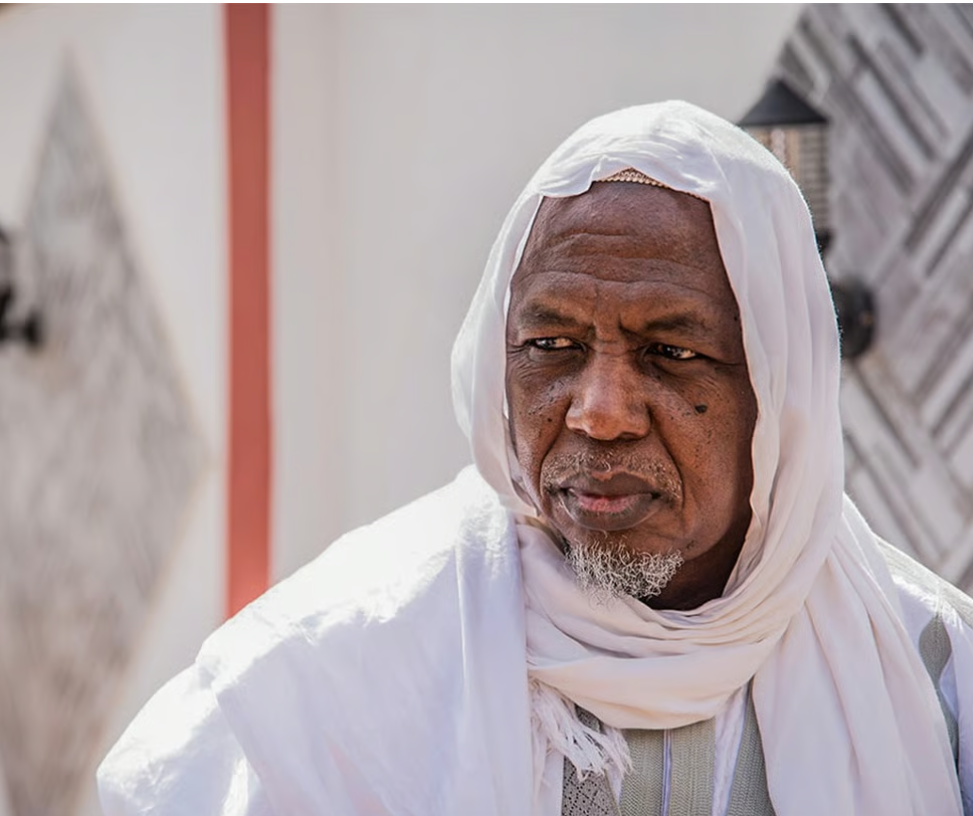
At the heart of this evolving context is the future of Imam Mahmoud Dicko, a prominent religious and political leader currently living in exile in Algeria. His role has become a focal point amid the shifting dynamics between Bamako and Algiers.
More than just an opposition figure, Dicko is widely seen as a unifying force in Mali, advocating for inclusive dialogue and a peaceful return to constitutional order. His influence was instrumental in the 2020 protests that led to the downfall of former president Ibrahim Boubacar Keïta, cementing his reputation as a voice for moderation and national reconciliation.
As Mali seeks stability and a clear path forward, Dicko’s moral authority and ability to mobilize public opinion could prove decisive in legitimizing a future civilian transition. His stance on broad-based national dialogue positions him as a potential bridge between disparate factions, making his involvement crucial for any sustainable peace process.
Dicko’s future: exile, return, or mediation?
The thaw between Mali and Algeria raises critical questions about the imam’s status. While Algiers may seek to limit his political activities to avoid straining relations with Bamako, the moment also presents a historic opportunity for mediation.
As a key player in regional stability, Algeria could leverage Dicko’s presence to foster direct and constructive engagement with Mali’s transitional authorities. A secure and structured return for Dicko—positioned as an advocate for peace—could send a powerful signal of national reconciliation, easing political tensions and reinforcing democratic aspirations.
Diplomacy as a catalyst for democracy
The Mali-Algeria rapprochement is a milestone for Sahel stability, demonstrating that even deep-seated disputes can be resolved through dialogue. Far from being an obstacle, the future of Imam Mahmoud Dicko could serve as a cornerstone for this new era of cooperation.
By harnessing Dicko’s influence and commitment to civilian rule, both nations have a unique chance to transform diplomatic normalization into tangible progress for Mali’s democracy and internal peace. In this delicate balance, every decision carries the potential to shape the nation’s future trajectory.