Moroccan lawyers protest new legal reforms with indefinite strike
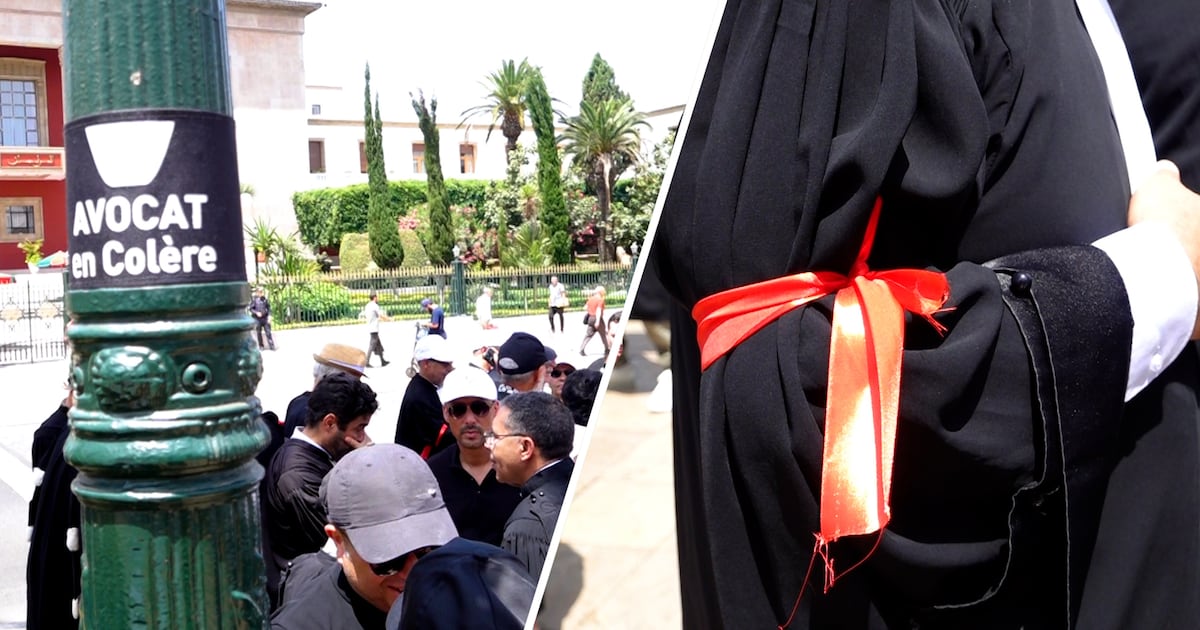
Dressed in black robes and red armbands, Moroccan lawyers have intensified their unlimited strike with a permanent sit-in outside Parliament in Rabat. The legal community remains united in opposition to a draft law they describe as a threat to their independence and democratic values.
Key grievances driving the protest
The proposed legislation has drawn sharp criticism for centralizing disciplinary control under the Ministry of Justice, which lawyers argue undermines their professional autonomy. Among their concerns:
- Loss of self-regulation: Transfer of training and disciplinary powers from the Bar Association to the Ministry of Justice
- Lowered entry standards: Proposed reduction in the minimum age for bar exam candidates
- Judicial interference: Increased government influence over legal proceedings
The Association of Moroccan Bar Associations (ABAM), which represents all regional lawyers’ orders, warns the reforms could weaken the foundations of justice in the country.
Leaders sound alarm over democratic backsliding
Aziz Rouibah, President of the Rabat Bar Association, delivered a stark warning: “This isn’t just about our profession—it’s about preserving Morocco’s democratic fabric.” The legal community believes certain provisions are designed to silence dissent and consolidate executive control over the judiciary.
Me Mounir Belghiti, a Rabat Bar Council member, emphasized the strike’s purpose: “This is our final appeal to parliamentarians to prioritize national interest over political grudges.” He stressed that unbalanced laws could erode public trust in legal institutions and set a dangerous precedent for future reforms.
Impact on justice system and detainees
The ongoing strike has paralyzed court operations, leaving hundreds of cases in limbo. Preventive detention hearings—particularly for those held without trial for nearly a month—have been repeatedly postponed, exacerbating legal uncertainty for defendants and their families.
What happens next?
Parliamentary debates resumed this week in the Chamber of Councillors. If amendments are approved, the bill will return to the Justice Committee of the Chamber of Representatives for further review. The legal community has vowed to escalate protests unless the most contentious provisions are withdrawn, with no clear end to the strike in sight.