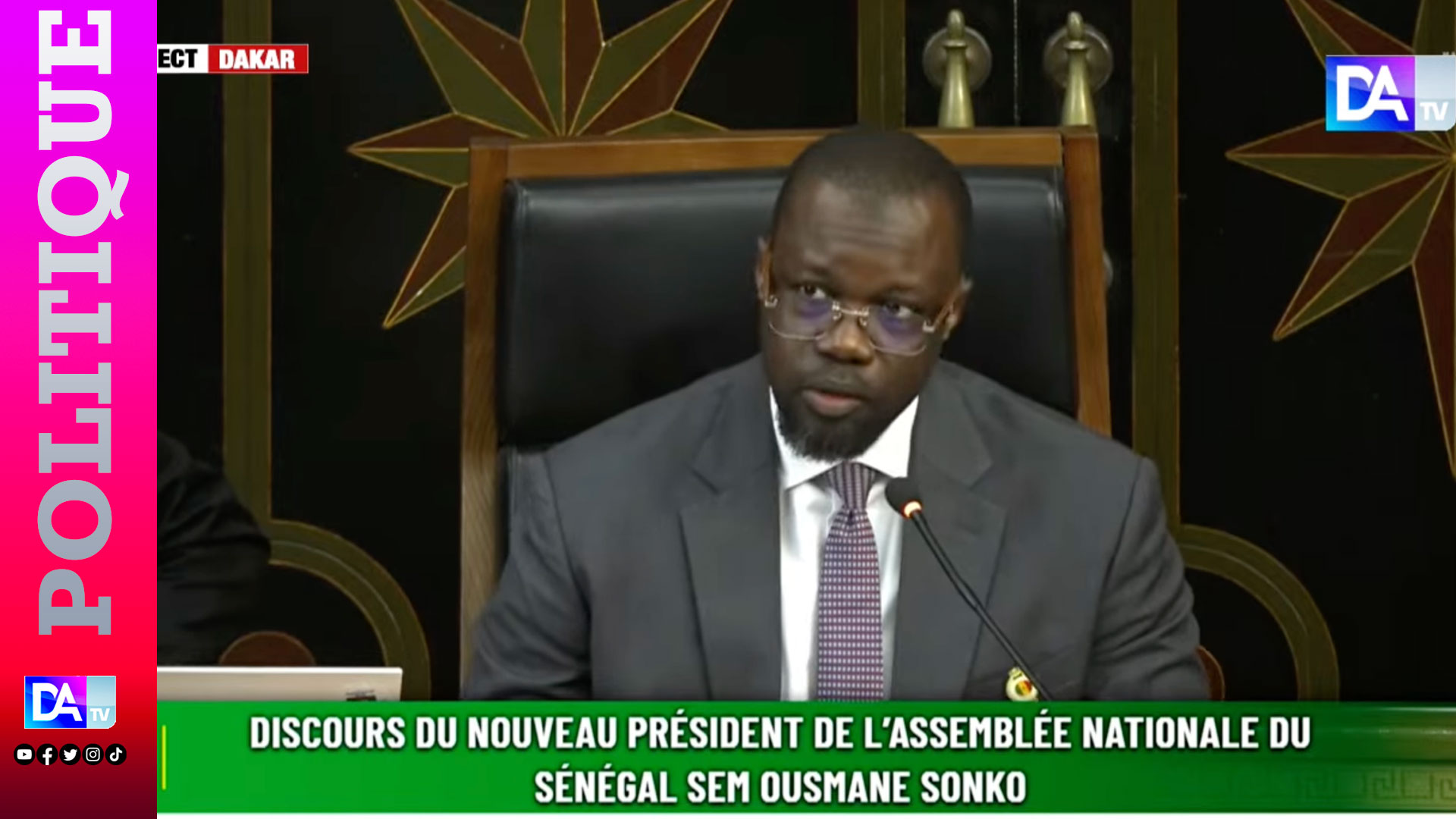
The Front for the Defense of the Republic (FDR) has issued a formal declaration this Wednesday, calling for the immediate removal of Ousmane Sonko from the Senegalese National Assembly. The coalition, led by Khalifa Sall, describes his parliamentary presence as “illegal and illegitimate.”
The FDR’s statement comes in response to a major opposition mobilization. On May 24, 147 political parties and movements signed a joint declaration condemning what they characterize as a “parliamentary coup attempt” by the PASTEF party. The coalition also commends the opposition lawmakers for filing a constitutional appeal with the Senegalese Constitutional Council.
Legal arguments against Sonko’s mandate
The FDR grounds its demand in Article LO172 of the Electoral Code, which states that any minister elected as a deputy must resign from government within eight days or forfeit their parliamentary seat. The coalition argues that the PASTEF party attempted to bypass this requirement by altering the Assembly’s internal regulations. However, the FDR dismisses this move as “unconstitutional on two fronts.”
First, the coalition points out that Article 54 of the Constitution requires any such procedural change to be enacted through an organic law incorporated into the Electoral Code—not hidden within the Assembly’s internal rules. Second, the FDR highlights that the new regulation introduces the concept of “deputy substitutes,” a category not recognized under Senegalese law outside of departmental and proportional electoral systems.
The FDR asserts that PASTEF’s actions violate not only the Constitution and the Electoral Code but also the Assembly’s own regulations, which are strictly intended to govern internal operations, as defined in Article 1 of the Assembly’s rules.
A call for nationwide mobilization
In its declaration, the FDR urges all civic and political forces in Senegal to unite behind a “comprehensive action plan” to uphold the rule of law and restore constitutional order.