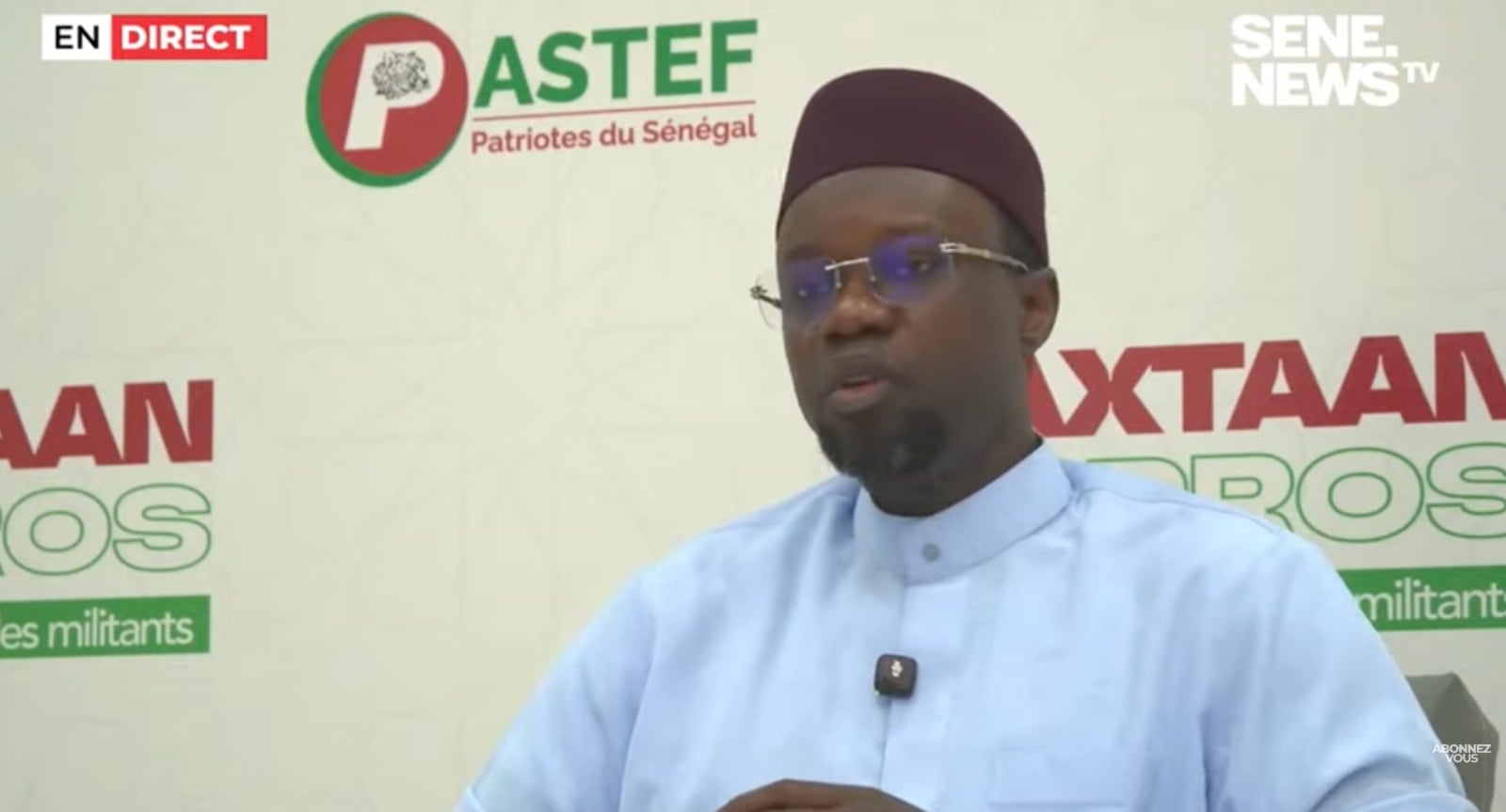
Senegal’s Sonko warns of economic fallout from stalled infrastructure projects
The Prime Minister of Senegal, Ousmane Sonko, has revealed disturbing findings from a national infrastructure audit, exposing billions in frozen investments and opaque management practices. With over 5 trillion FCFA committed, the report flags severe economic and social risks for the country.
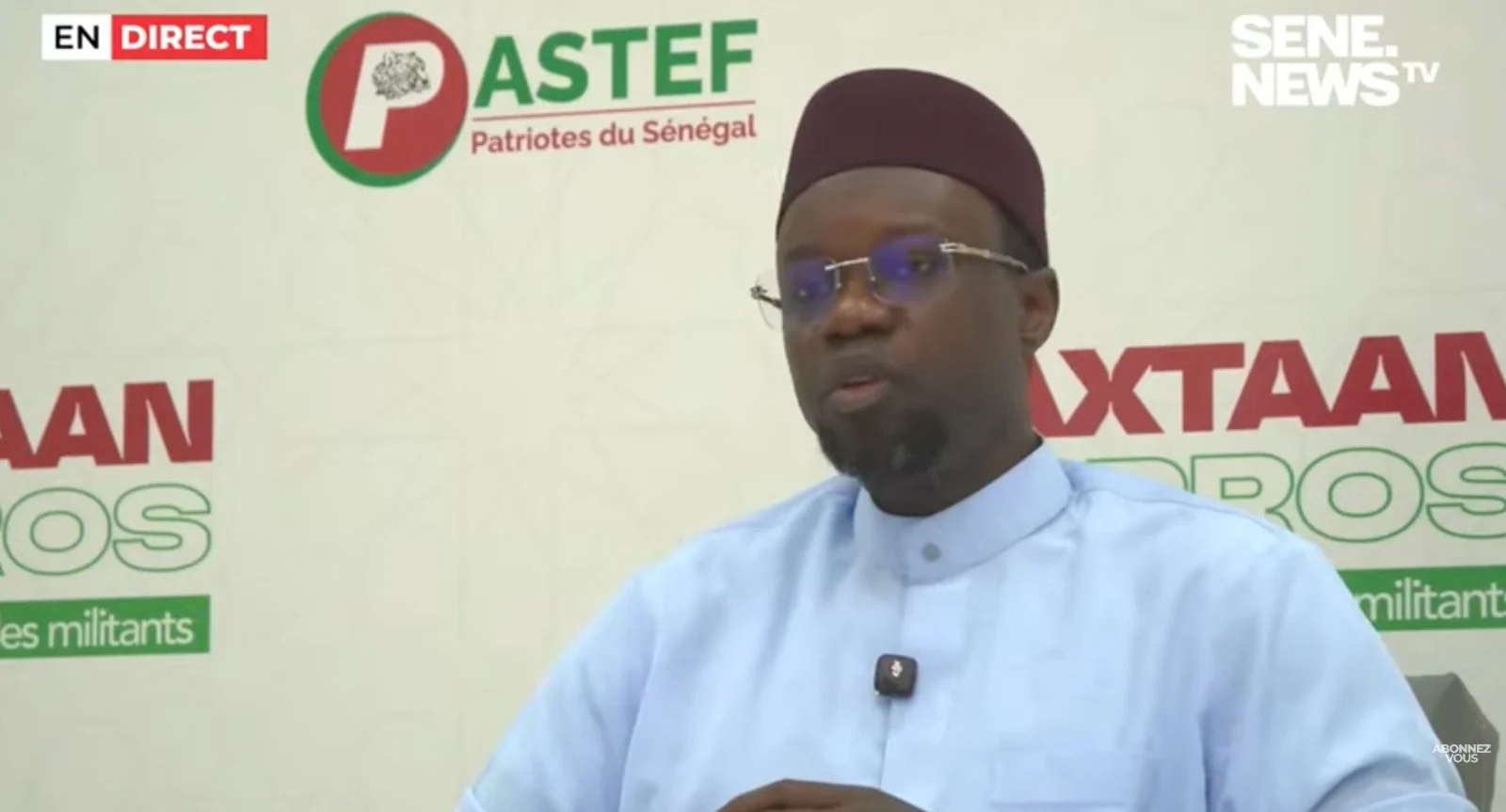
The Prime Minister convened an emergency inter-ministerial meeting yesterday to dissect the audit results, which paint a grim picture of public infrastructure management and state land administration. Ousmane Sonko described the findings as “staggering,” highlighting abandoned projects, underutilized assets, and questionable disposal of government properties.
According to the audit, 245 infrastructure projects and strategic assets across Senegal are either stalled, incomplete, or severely underperforming, with a total investment exceeding 5 trillion FCFA—nearly matching the nation’s annual budget. The affected projects span critical sectors: roads, healthcare facilities, ports, stadiums, schools, administrative buildings, and cold storage units.
Critical gaps in infrastructure development
The audit uncovered glaring inefficiencies. Thirty projects, fully completed, remain idle due to major operational blockages, tying up 279 billion FCFA. Flagship examples include the Dakhonga Port and multiple fishing quays and refrigeration facilities, all of which failed to deliver expected socioeconomic benefits despite heavy investments.
For active projects, the situation is dire. Of 94 ongoing initiatives, 62 have ground to a halt, with 5.2 trillion FCFA locked in unfinished work. The lycée de Sandiara stands out—a 2014-launched school project still not completed, far exceeding reasonable timelines for educational infrastructure.
State land and real estate fared no better. Ninety-seven properties, primarily in Dakar, valued at 132 billion FCFA, were identified as improperly disposed of under past administrations. Some strategic plots, including the former gendarmerie headquarters site, were allegedly sold below market value—sometimes for as little as 1 billion FCFA against an estimated worth of 10-15 billion FCFA. Authorities claim many of these assets have since been reclaimed.
Judicial stagnation fuels frustration
The audit’s most alarming revelation may be the lack of accountability. Ousmane Sonko expressed deep frustration over stalled prosecutions in financial mismanagement cases, questioning whether “it’s even worth continuing” under such conditions. He accused unnamed judicial actors of deliberate delays, framing it as “judicial sabotage.” He reiterated that these cases belong to the Senegalese people, not magistrates, and threatened to escalate his stance.
Justice Minister Yassine Fall responded by pledging accountability for those found culpable, but Sonko remained skeptical, insisting on faster proceedings and clearer responsibility assignments.
Government responds with oversight reforms
To address the crisis, Sonko announced the immediate creation of a high-level monitoring committee under his direct supervision. Its mandate includes completing the inventory of stalled projects, assigning responsibility, and exploring financing solutions—potentially through public-private partnerships or leveraging assets via the Fonsis fund.
The Prime Minister issued eleven directives to break the deadlocks. Key measures include:
- A definitive directive to finalize the inventory of all projects, classifying them by status—operational, pending completion, or eligible for repurposing.
- The establishment of an inclusive committee, also chaired by Sonko, to oversee implementation and ensure adherence to timelines and technical standards.
Other directives emphasize robust planning and execution. Ministers must now prioritize technical readiness—ensuring water, electricity, and telecom connections—as well as equipping facilities appropriately. Sonko also stressed the need for sustainable operation models, maintenance plans, and long-term viability frameworks for public investments.