Mass killings in Ségou: army and Dozos accused of targeting civilians
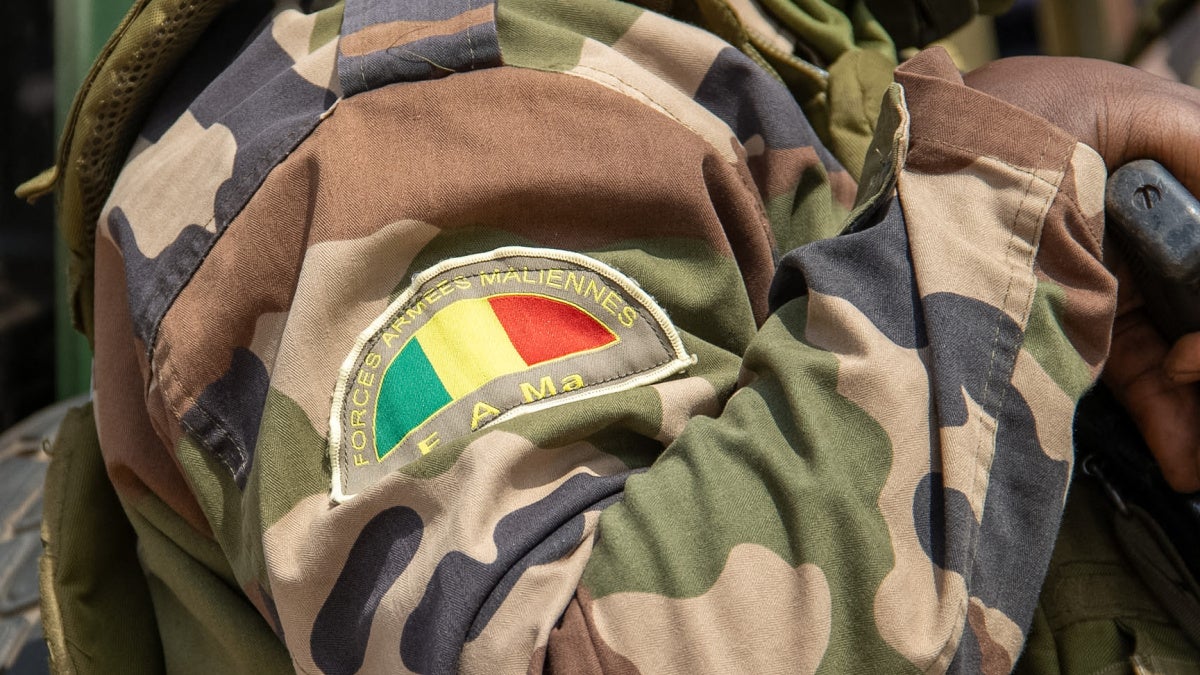
Nairobi — The Malian Armed Forces and allied militias killed at least 31 civilians and set fire to homes during raids on two villages in the conflict-stricken Ségou region, according to a recent report by Human Rights Watch.
On October 2, Malian troops and Dozos—traditional Bambara militias active in counter-insurgency operations across West Africa—allegedly executed at least 21 men and torched over 10 homes in Kamona. Nine days later, the same forces killed nine men and one woman in Balle, roughly 55 kilometers away. Both villages lie within an area controlled by the Group for the Support of Islam and Muslims (JNIM), an Al-Qaeda-affiliated faction.
Witnesses claim soldiers and Dozos summarily executed civilians after accusing them of collaborating with JNIM, despite no active clashes between armed groups at the time. Ilaria Allegrozzi, Senior Sahel Researcher at Human Rights Watch, condemned the attacks, urging Malian authorities to conduct transparent investigations and hold perpetrators accountable.
Timeline of violence and eyewitness accounts
Human Rights Watch gathered testimonies from survivors, community leaders, activists, and journalists via phone interviews in October. Investigators also contacted Mali’s Ministers of Justice and Defense on November 8 but received no response by publication.
On October 2, around 10 a.m., Malian soldiers in at least seven pickup trucks, three armored vehicles, and Dozos on motorcycles entered Kamona. Residents reported that JNIM fighters had warned them of the approaching army, prompting many to flee. Those who remained were allegedly rounded up and shot. A survivor recounted: “Those who couldn’t escape were gathered and executed.”
Witnesses confirmed JNIM fighters had already left the village before the military arrived, negating claims of armed confrontation. The killings align with recent JNIM offensives in the region, including an August attack on the Siribala sugar factory, which intensified counter-terrorism operations by state forces.
In Kamona, 17 bodies were found beneath a tree, with four others discovered north of the village. Survivors identified the victims as Fulani men aged 20 to 65. Soldiers reportedly burned 10 huts and three sheds belonging to Peul residents. A 40-year-old shepherd hiding with his 9-year-old daughter described the scene: “People had been riddled with bullets. One man’s head was completely shattered. I saw spent cartridges scattered around.”
Local residents compiled a list of the 21 confirmed victims but suspected additional fatalities. “We heard at least 15 more men were killed in the bush that day,” a villager stated. “We didn’t check because we feared the army would return.”
On October 13, Malian soldiers in five pickup trucks and Dozos on 30 motorcycles stormed Balle, triggering panic among inhabitants. A 24-year-old man recounted: “I didn’t run immediately, but when I saw soldiers going door-to-door and assaulting men, I fled. From my hiding place, I heard gunfire.”
Soldiers and Dozos allegedly killed 10 civilians, including a 55-year-old woman, and stole over 100 cattle. The victims, aged 22 to 67, were found shot to death in the village center. Their bodies bore signs of severe trauma. A 33-year-old man described the aftermath: “They lay side by side, riddled with bullets. Some had broken limbs.”
The slain woman’s 21-year-old daughter reported her mother confronted the soldiers, accusing them of abuse before being executed: “She walked toward them. They took her where the men were gathered and shot her.”
Government denial amid escalating tensions
On October 14, the Malian Chief of Staff released a statement claiming the October 13 operation near Balle was an “offensive reconnaissance mission” that “neutralized around twenty terrorists” and seized military equipment. Locals, however, insist Balle has been under JNIM control for years, with residents paying Islamic taxes (zakat) and relying on the group to resolve disputes. “There are no soldiers, gendarmes, or police here. The army doesn’t distinguish between us and them,” a villager explained.
The conflict in Mali, ongoing since 2012, has claimed thousands of civilian lives and displaced over 400,000 people. Human Rights Watch has documented grave abuses by Malian forces, allied militias, and mercenary groups, as well as atrocities perpetrated by JNIM and other armed factions.
Recent military crackdowns in Ségou followed JNIM’s siege of Bamako in early September, cutting off fuel supplies to the capital and forcing the military junta to temporarily shutter schools and universities nationwide.
Legal and regional implications
All parties in Mali’s armed conflict are bound by international humanitarian law, including Common Article 3 of the 1949 Geneva Conventions and customary laws of war, which prohibit attacks on civilians, murder, and cruel treatment. Perpetrators of war crimes may face prosecution under the Rome Statute, despite Mali’s withdrawal from the International Criminal Court (ICC) in September 2025. The ICC retains jurisdiction over crimes committed before September 2026.
The African Union (AU) has faced criticism for its limited response to Mali’s worsening crisis. Human Rights Watch urged the AU’s Peace and Security Council to prioritize accountability, enhance diplomatic efforts, and coordinate regional and international actions to address abuses by all conflict parties.
“The AU must take urgent action,” Allegrozzi emphasized. “Regular briefings, strengthened diplomacy, and coordinated regional responses are essential to ensure justice for victims.”