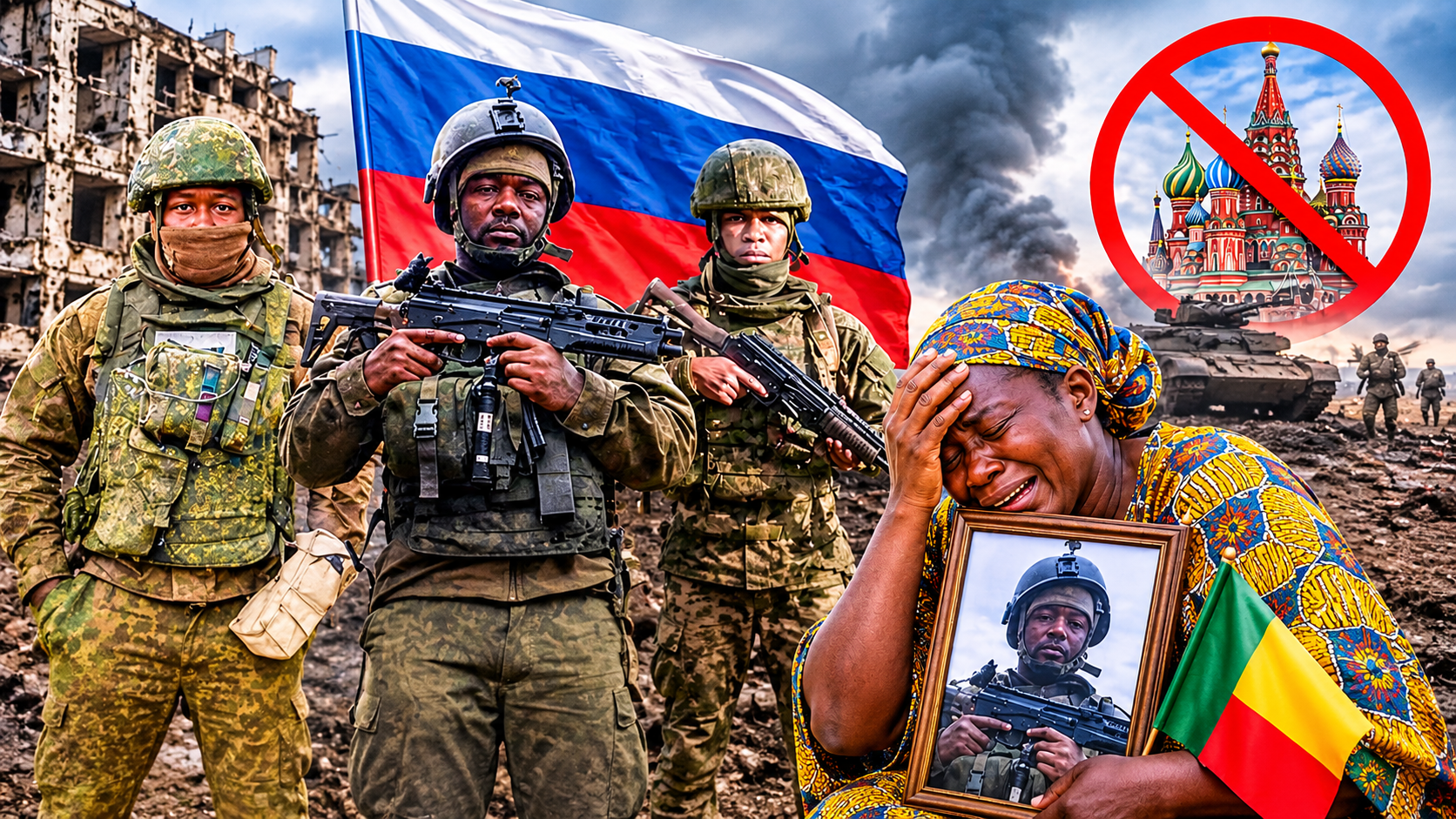
When a young Beninese student loses his life fighting in Ukraine, the dream of academic excellence abroad takes a tragic and unexpected turn. This recent tragedy forces African families and students to confront a harsh question: how can a pursuit of education in Russia lead to involvement in a distant war?
From educational ambitions to battlefield realities
The allure of studying in Russia with its reputed scientific and technical programs, international scholarships, and career prospects has drawn many young Africans seeking to escape economic hardships at home. For families in Benin and across Africa, financing such a journey is often seen as a long-term investment in their children’s futures. Yet, what begins as an opportunity for personal and professional growth can rapidly transform into a life-altering gamble.
In the case of this Beninese student, the path from classroom to combat zone remains shrouded in ambiguity. Reports suggest that foreign students in Russia may face pressures or incentives that blur the line between education and military engagement. The evolving geopolitical landscape has intensified these risks, creating an environment where vulnerable individuals far from home and financial stability may find themselves entangled in conflicts they never intended to join.
Why foreign students are at risk in a warzone
The war in Ukraine has exposed a disturbing pattern: foreign nationals, including students, have been drawn into military service under questionable circumstances. Promises of financial support, expedited employment, or residency permits delivered by intermediaries or even educational institutions can mask the true demands of such arrangements. For a young person far from home, the pressure to accept these terms may feel insurmountable, particularly when faced with financial strain, language barriers, or administrative uncertainties.
Once engaged, the consequences are irreversible. Participation in military operations exposes students to severe injury, captivity, or death. Families left in Africa face not only the devastation of loss but also the cruel irony of a dream fulfilled only to end in tragedy.
The role of intermediaries and institutional responsibility
Not all students in Russia are at risk; many complete their studies without incident. However, the existence of documented cases involving recruitment into the Russian military demands heightened scrutiny. Intermediaries promising quick solutions or lucrative opportunities often operate with minimal oversight, failing to disclose the full scope of obligations attached to their offers.
Prospective students and their families must verify every aspect of their journey: the legitimacy of the host institution, visa conditions, housing arrangements, and employment terms. A lack of transparency should serve as a red flag. Additionally, consular and government authorities in African nations have a duty to inform citizens of potential dangers, provide clear guidance, and intervene in cases of exploitation or coercion.
Protecting the next generation of African scholars
This tragedy extends beyond a single family or nation it is a call to action for the entire continent. African governments, educational institutions, and diplomatic missions must collaborate to safeguard students from predatory practices that conflate education with military service. Families, too, must remain vigilant, demanding verifiable assurances before entrusting their children to programs abroad.
Above all, young Africans must weigh the value of a foreign degree against the realities of their environment. No career prospect, financial incentive, or promise of opportunity should ever justify exposure to the dangers of war. The life lost in Ukraine serves as a stark reminder: the pursuit of knowledge should never come at the cost of safety or life.
Unanswered questions and the path forward
As investigations continue, critical questions remain unanswered. How did this Beninese student become involved in the conflict? Was he recruited under false pretenses? Did his status as a student influence his circumstances? Establishing the truth is essential not only for justice but to prevent future tragedies.
Until these answers emerge, the risks facing African students in Russia cannot be dismissed. The dream of studying abroad must be protected by transparency, accountability, and an unwavering commitment to safety. For the youth of Africa, the tragedy in Ukraine is a warning: the road to knowledge should never lead to a battlefield.
By IBRAHIM OUMAROU — Journalist