African-led mediation in eastern DRC strengthens with coordinated Lomé push for sustainable peace
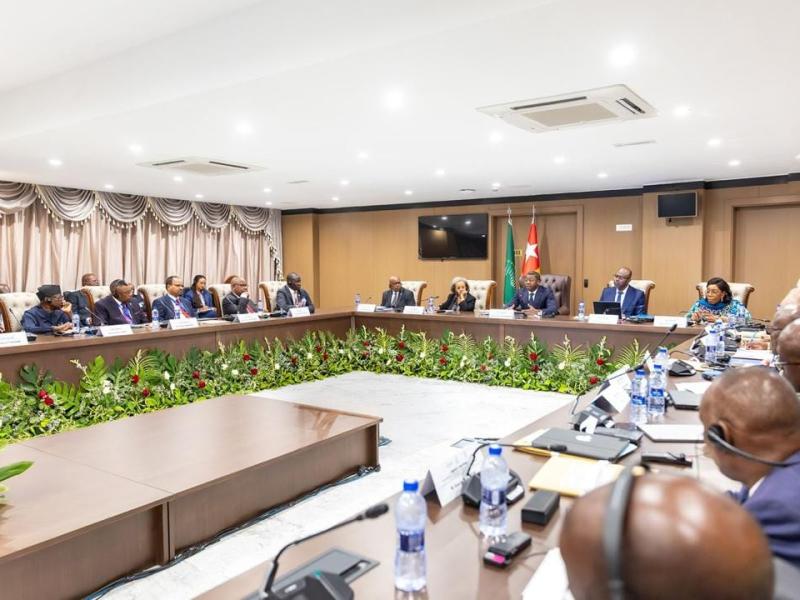
Eastern Democratic Republic of the Congo (DRC) has seen renewed momentum in African-led peace efforts, following a high-level technical meeting in Lomé, Togo. The two-day session, held from June 7 to 8, 2026, brought together regional and international stakeholders to evaluate progress and refine strategies for restoring stability in the embattled region.
The gathering was led by H.E. Faure Essozimna Gnassingbé, President of the Togolese Council and designated African Union (AU) mediator for the DRC and Great Lakes crisis. This meeting followed an earlier ministerial phase coordinated by Togo’s Minister of Cooperation and Congolese Abroad, Yackoley Johnson, and marked a key milestone in consolidating the AU’s mediation architecture.
Regional and international partners unite under unified framework
The Lomé meeting convened key actors including:
- Members of the AU’s designated facilitators’ college
- Representatives from the United Nations
- East African Community (EAC) delegates
- Central African Economic and Monetary Community (CEMAC) officials
- Southern African Development Community (SADC) representatives
- Great Lakes Region International Conference (CIRGL) members
- International Committee of the Red Cross (ICRC) delegates
Structured approach aims to eliminate duplication and boost effectiveness
According to the Togolese Presidency, the session highlighted significant progress since January’s Lomé meeting on harmonizing peace initiatives. The AU’s mediation architecture, unveiled earlier this year, establishes a clear division of responsibilities among five co-facilitators:
- Olusegun Obasanjo (Nigeria): oversees military and security matters
- Sahle-Work Zewde (Ethiopia): leads humanitarian coordination
- Uhuru Kenyatta (Kenya): facilitates dialogue with local armed groups
- Mokgweetsi Masisi (Botswana): focuses on regional economic cooperation
- Catherine Samba-Panza (Central African Republic): handles civil society, reconciliation, and gender issues
Collective commitment emphasized for long-term stability
President Gnassingbé stressed the importance of maintaining coordinated efforts to achieve sustainable peace:
“Since January, we have brought much-needed order to the African mediation architecture. This meeting represents a major step forward in enhancing our collective action and finding durable solutions to this crisis.”
He emphasized that only unified action among regional, continental, and international actors can consolidate gains and foster lasting stability in the Great Lakes region. The mediator underscored the need for continued collaboration despite challenges, highlighting the strong willingness among partners to support peace efforts.
Lomé process builds on January high-level foundation
The June meeting follows the January 16–17, 2026 Lomé conference that brought together former heads of state, Togolese Foreign Minister Robert Dussey, EAC and SADC representatives, and international partners. That gathering aimed to rebuild trust among parties, advance dialogue, and ensure compliance with peace commitments.
The structured approach reflects growing recognition that fragmented efforts have hindered progress. By defining clear roles and fostering joint accountability, the AU mediation seeks to streamline initiatives and maximize impact in addressing the DRC’s eastern conflict.
Looking ahead
The next phase will focus on implementing agreed-upon measures, strengthening regional cooperation, and sustaining diplomatic engagement to address root causes of instability. With renewed coordination, African-led mediation aims to turn the tide toward lasting peace in eastern DRC and the broader Great Lakes region.