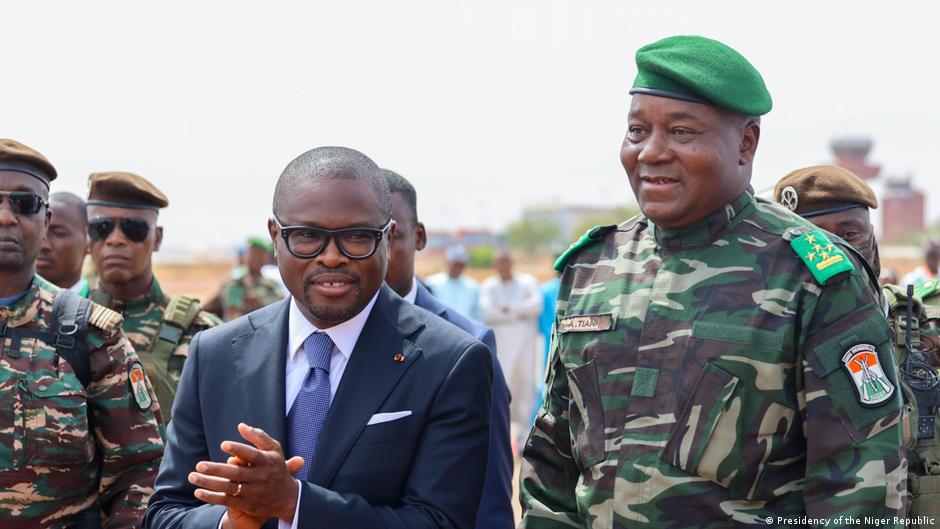
The inauguration of President Romuald Wadagni on May 24 marked a turning point in Benin’s foreign policy, particularly in its relations with the Alliance of Sahel States (AES). Unlike the confrontational stance of his predecessor, Patrice Talon, Wadagni has adopted a pragmatic approach focused on regional stability, security collaboration, and economic cooperation.
This shift comes after years of strained ties with AES members—Niger, Mali, and Burkina Faso—following political upheavals in the region between 2020 and 2023. The new diplomatic strategy signals Benin’s willingness to re-engage constructively, prioritizing dialogue over past disputes.
Diplomatic outreach across West Africa
In a swift regional tour, President Wadagni visited Nigeria, Niger, Mali, Burkina Faso, Togo, Côte d’Ivoire, and Senegal. The visits underscored Benin’s commitment to rebuilding trust and fostering partnerships in key sectors such as trade, security, and infrastructure.
The president’s approach reflects a broader trend in West African diplomacy, where economic integration and regional security are becoming central to foreign policy decisions. By engaging directly with AES countries, Benin aims to stabilize its borders, enhance trade flows, and strengthen collective efforts against insurgencies plaguing the Sahel.
Will the new strategy succeed?
Diplomatic observers are closely monitoring whether this shift will yield tangible results. Proponents argue that economic incentives and security cooperation could pave the way for normalized relations. Critics, however, caution that deep-seated mistrust may persist, requiring sustained efforts to rebuild confidence.
As West Africa navigates evolving political dynamics, Benin’s new diplomatic posture could serve as a model for balancing assertiveness with cooperation in a region grappling with instability.