On June 26, 2026, Burkina Faso declared an immediate end to its diplomatic relations with France. The announcement, made by Ouagadougou, was framed as an assertion of national sovereignty and further solidified the country’s alignment with neighboring Mali and Niger within the Alliance of Sahel States (AES).
Minister of Communications Pingdwendé Gilbert Ouédraogo delivered the decision in a televised address, stating that the break in ties would take effect immediately. The Burkinabè government cited France’s alleged interference, neocolonial ambitions, and support for groups deemed hostile to Burkina Faso as key reasons behind the move. Paris, in turn, dismissed the accusations as baseless and condemned the decision as hostile.
Years of growing tensions culminate in rupture
The breakdown in relations did not occur in isolation. Since the 2022 coup that brought Captain Ibrahim Traoré to power, Ouagadougou and Paris have seen their relations steadily deteriorate. Burkina Faso had already taken significant steps to distance itself from French influence in recent years.
In January 2023, the country demanded the withdrawal of French special forces operating under Operation Sabre. Subsequent measures included bans on major French news outlets such as RFI, France 24, and TV5 Monde, alongside the expulsion of several French diplomats. These actions reflected a broader pattern of accusations against France, which the Burkinabè government viewed as incompatible with its national interests.
Sahel bloc unites against French influence
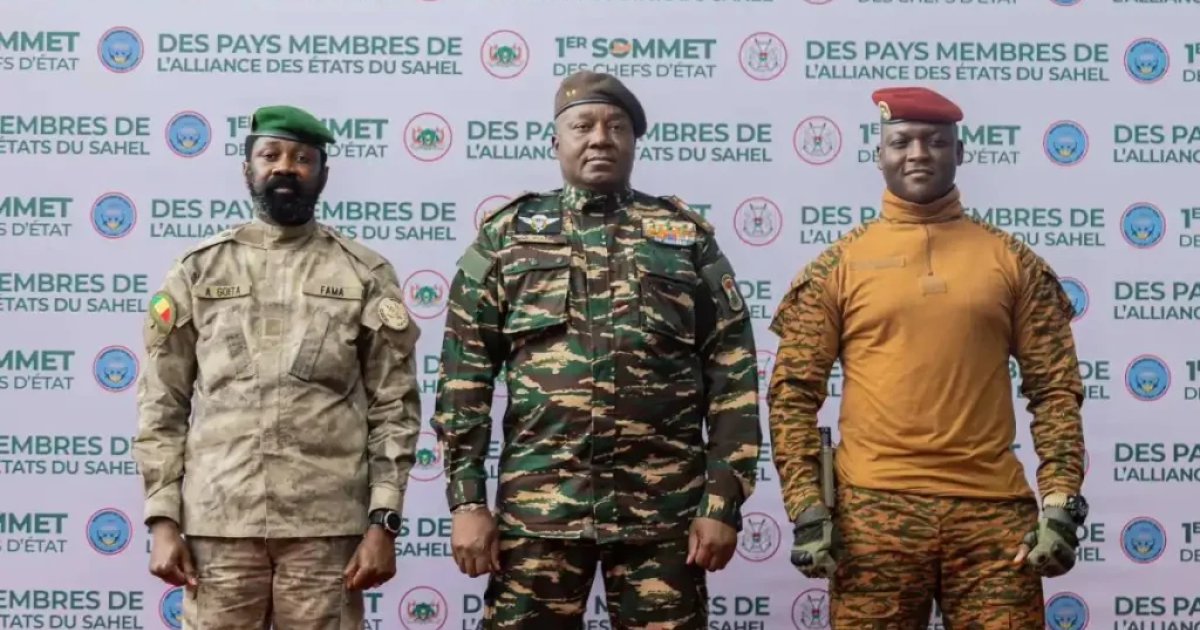
Burkina Faso’s decision marks its formal alignment with Mali and Niger, both of which had already severed or significantly reduced their ties with France. The three AES member states now present a united front against Paris, emphasizing a shared commitment to sovereignty and resistance to perceived external interference.
This shift underscores a broader realignment in the Sahel, where Mali, Burkina Faso, and Niger have increasingly sought to diversify their partnerships beyond traditional Western allies. New alliances with Russia, Turkey, and Iran have emerged as key components of this strategy, further diminishing France’s historical dominance in the region.
For Ouagadougou, the break with France represents a decisive move toward reclaiming control over its diplomatic and security policies. For Paris, it signifies a significant erosion of influence in a region where it once held substantial sway. The move also introduces uncertainty regarding the management of consular, diplomatic, and security interests between the two countries.
The AES’s unified stance signals a new chapter in Sahel-Western relations, where the alliance intends to speak with one voice against former colonial powers. This development reflects a broader trend of recalibrating alliances in Africa, as nations reassess their strategic partnerships in pursuit of greater autonomy.