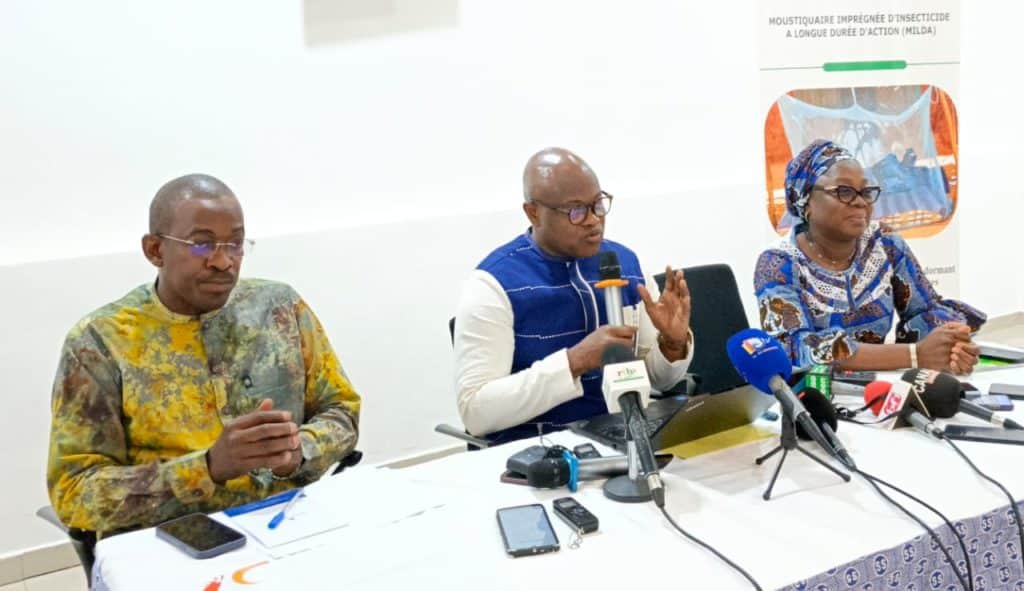
The Burkina Faso has achieved a remarkable milestone in its fight against malaria, moving closer to its ambitious goal of eliminating the disease by 2030. In 2025, the country recorded an unprecedented drop in both malaria cases and fatalities, marking a turning point in public health.
Historic reductions in malaria cases and deaths
Official statistics reveal a 32% decline in malaria cases, dropping from 10,805,000 in 2024 to 7,329,000 in 2025. Among children under five—a particularly vulnerable group—the reduction was even more significant, with a 38% decrease, translating to over 1.9 million fewer cases.
Malaria-related deaths also fell sharply by 48%, from 3,523 in 2024 to 1,900 in 2025. For children under five, the decline was even more dramatic, with fatalities dropping by nearly half compared to the previous year.
Strategic interventions driving success
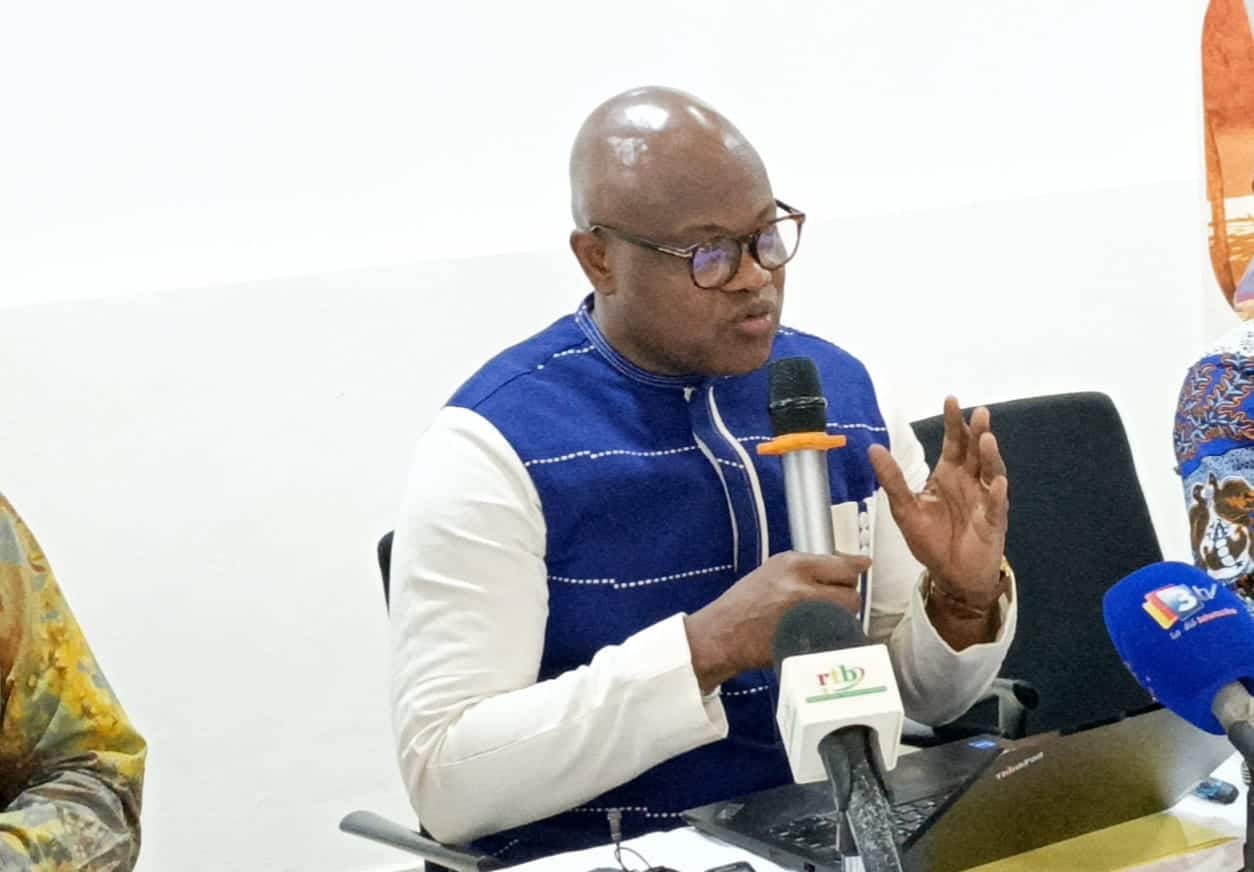
Dr. Lucien Jean-Claude Kargougou, Minister of Health, highlighted the government’s unwavering commitment during a press briefing in Ouagadougou. He emphasized that sustained progress requires a multi-faceted approach: «Eliminating malaria by 2030 is not just a goal—it’s an achievable reality through targeted action.
Key measures include:
- Expanding long-lasting insecticidal nets (LLINs), including next-generation bi-treated mosquito nets to combat insecticide resistance
- Scaling up free malaria vaccination campaigns, now available in all 70 health districts since August 2025
- Strengthening community engagement and behavior change communication
- Enhancing environmental sanitation and vector control
- Ensuring sustainable financing and multisectoral collaboration
Unprecedented mobilization and community ownership
The success stems from a coordinated national effort led by President Captain Ibrahim Traoré, whose administration prioritizes equitable healthcare access. Dr. Kargougou underscored the role of the National Malaria Multisectoral Committee (CONAMEP) in fostering collaboration across sectors and communities.
Over 33,000 community volunteers and 7,000 health workers—including those deployed in high-risk areas—conducted door-to-door sensitization campaigns. These efforts ensured widespread adoption of preventive measures such as sleeping under mosquito nets and seeking early treatment for fever. The minister noted that this grassroots engagement fostered a sense of collective responsibility and long-term behavioral change.
Next-generation mosquito nets: a game-changer
The nationwide distribution of 15 million bi-impregnated LLINs—a critical component of the strategy—achieved an 80% household usage rate. These advanced nets, designed to counter insecticide resistance, proved far more effective than previous models, significantly reducing mosquito bites and transmission risks.
Dr. Kargougou credited the progress to more than just technical solutions: «This victory belongs to every citizen, leader, and partner who embraced prevention as a shared duty.
A call to sustain momentum
While celebrating the milestone, Dr. Kargougou urged all stakeholders—local governments, civil society, technical partners, media, and communities—to redouble their efforts. He stressed that eliminating malaria is within reach but demands continued vigilance and collective action.
«Together, we’ve proven that malaria can be pushed back. Together, we will eliminate it by 2030.