Why the UN’s Cuba vote matters for global solidarity
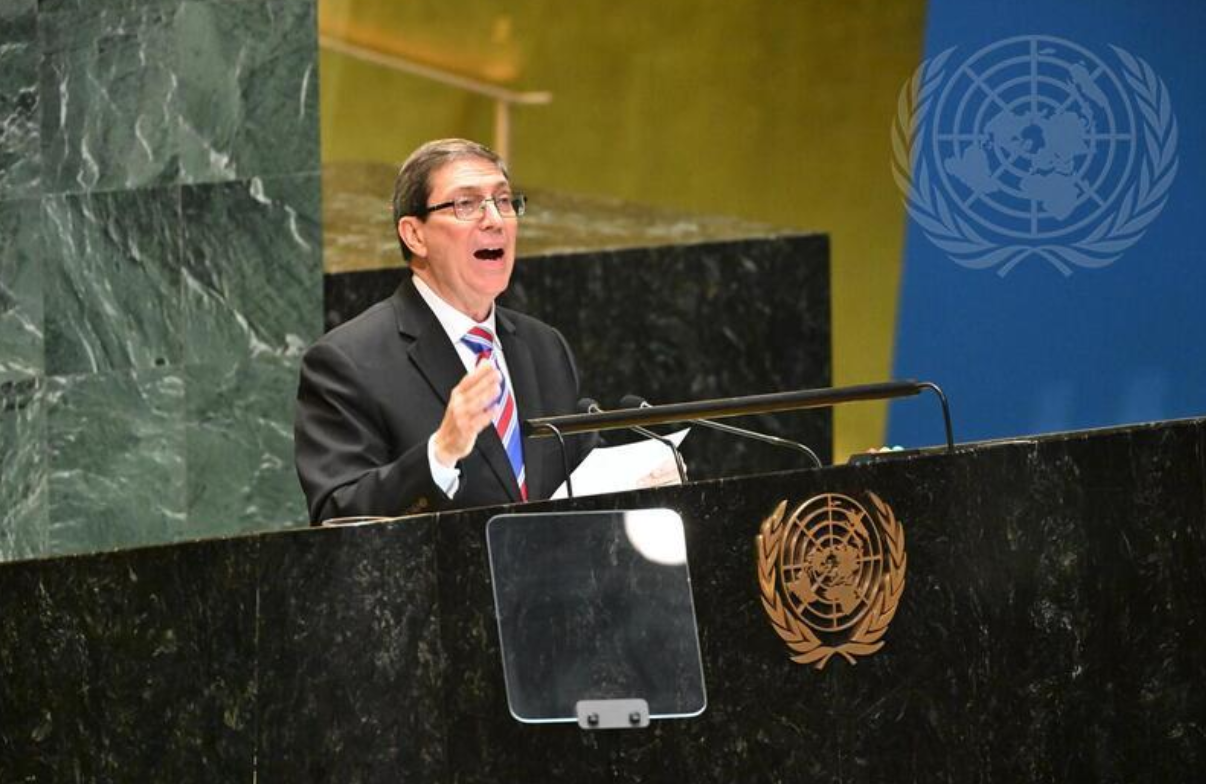
In a pivotal 2026 vote, the United Nations General Assembly once again addressed the decades-old U.S. blockade against Cuba, with 130 nations endorsing the resolution to lift restrictions, 17 voting against, and 25 abstaining. Yet what stood out wasn’t the outcome but the standout: Morocco emerged as the sole African nation to oppose the resolution, bucking a continental trend of support for Cuba’s call for sanctions relief.
How Morocco defied Africa’s diplomatic consensus
The Moroccan vote marked a stark contrast to African solidarity on this issue. While most African states either voted in favor or chose abstention, Rabat’s decision to reject the resolution positioned it uniquely within the continent. This divergence occurs amid shifting global alliances, where the Cuba blockade debate reflects deeper principles—sovereignty, non-interference, and economic freedom—that resonate across Africa’s diplomatic traditions.
Though the UN vote itself carries no legal weight—Washington maintains full authority over U.S. embargo policy—its symbolic power remains significant. For Morocco, the move is noteworthy not just for its rarity but for its potential implications: Could this signal a strategic realignment, or was it an isolated policy choice?
From abstention to opposition: Morocco’s shifting stance
Official voting records suggest Morocco’s position may have evolved. Reports indicate the North African nation abstained in previous UN resolutions on the Cuba blockade but cast a