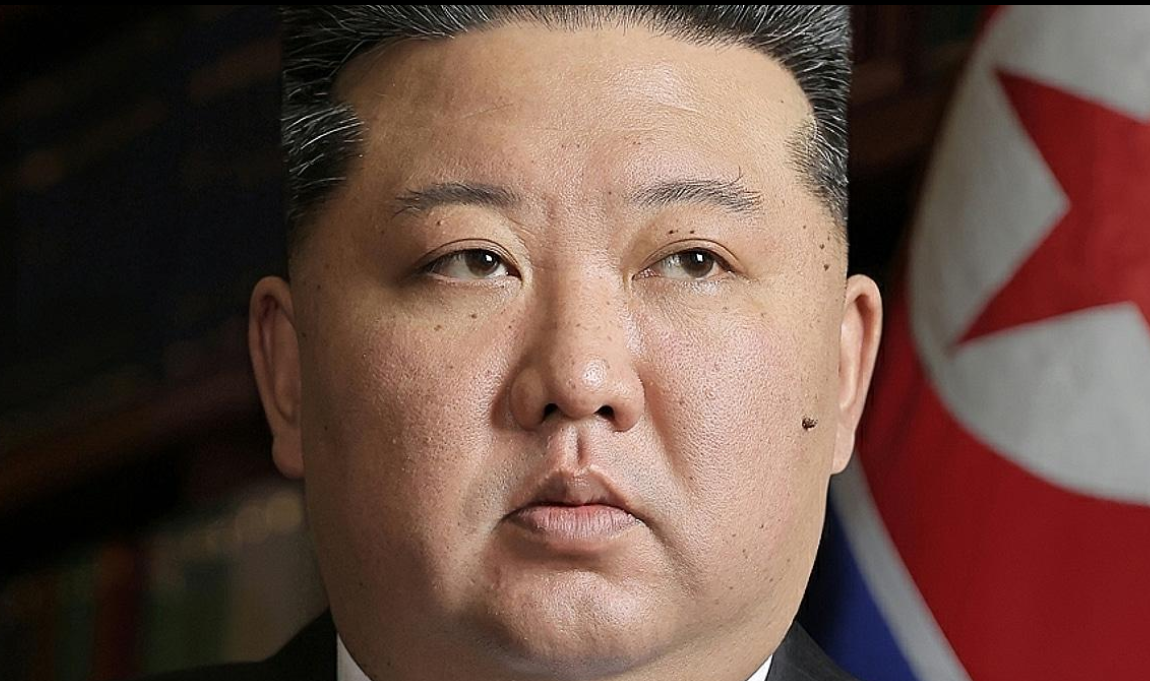
Unverified reports spark global uncertainty over Kim Jong-un’s condition
The health of North Korea’s reclusive leader has become the center of intense speculation after unverified reports claimed Kim Jong-un slipped into a coma following a severe cerebral hemorrhage. According to claims circulating on social media, the North Korean ruler was allegedly rushed to Beijing for emergency medical treatment at Peking Union Medical College Hospital—a facility known for its advanced neurology units. Yet, neither Pyongyang nor Chinese officials have issued any official confirmation, leaving the situation shrouded in ambiguity.
Social media rumors fuel widespread speculation
Initial reports emerged from anonymous online posts, which cited unnamed sources alleging a medical emergency. Among the voices amplifying these claims was Chinese dissident Wanjun Xie, based in the United States, who suggested Kim Jong-un suffered a life-threatening stroke and required immediate hospitalization outside North Korea. However, despite the rapid spread of these claims across international platforms, no verifiable evidence has surfaced to substantiate the evacuation or the severity of his alleged condition.
The role of state-controlled media in shaping perceptions
North Korea’s government maintains strict control over all official communications, particularly regarding the well-being of its supreme leader. Any absence from public events, especially one as prolonged as a coma, would typically trigger intense scrutiny. Yet, while rumors swirl, the lack of transparency does not equate to proof of a medical crisis. Experts warn against treating unverified claims as factual until credible information emerges.
Contradictory signals from Pyongyang’s propaganda machine
On October 20th, state-run media released images depicting Kim Jong-un attending an exhibition on fashion and footwear, accompanied by his daughter, Ju-ae. While this appears to contradict claims of prolonged incapacitation, the authenticity and timing of these photographs remain difficult to independently verify. The images do, however, highlight the regime’s ability to manipulate public perception by controlling the narrative surrounding its leader’s activities.
Why Kim Jong-un’s health is a persistent geopolitical concern
Kim Jong-un’s rise to power in 2011 followed the deaths of his father, Kim Jong-il, and grandfather, Kim Il-sung—both under circumstances that fueled speculation about dynastic succession. Over the years, Western intelligence agencies, including those in South Korea, have raised concerns about Kim Jong-un’s weight and potential cardiovascular risks. Age-related health vulnerabilities in his family have only intensified the focus on his physical state.
Could this be a turning point for North Korea’s political future?
If Kim Jong-un were to become permanently incapacitated, the regime’s tightly centralized power structure could face unprecedented instability. While his sister, Kim Yo-jong, holds significant influence within the ruling elite, and his daughter, Ju-ae, increasingly appears in state media, succession remains uncertain. Regional powers such as China, South Korea, the United States, and Japan are closely monitoring developments, given the implications for North Korea’s nuclear program and regional security dynamics.
A stark reminder of the dangers of unverified intelligence
Until conclusive evidence emerges, the international community must refrain from treating rumors about Kim Jong-un’s health as confirmed fact. In a regime as opaque as North Korea’s, misinformation can spread as quickly as verified updates. The absence of official statements demands caution—both in reporting and in diplomatic responses. Until then, the world watches, waiting for clarity in a crisis clouded by secrecy and speculation.