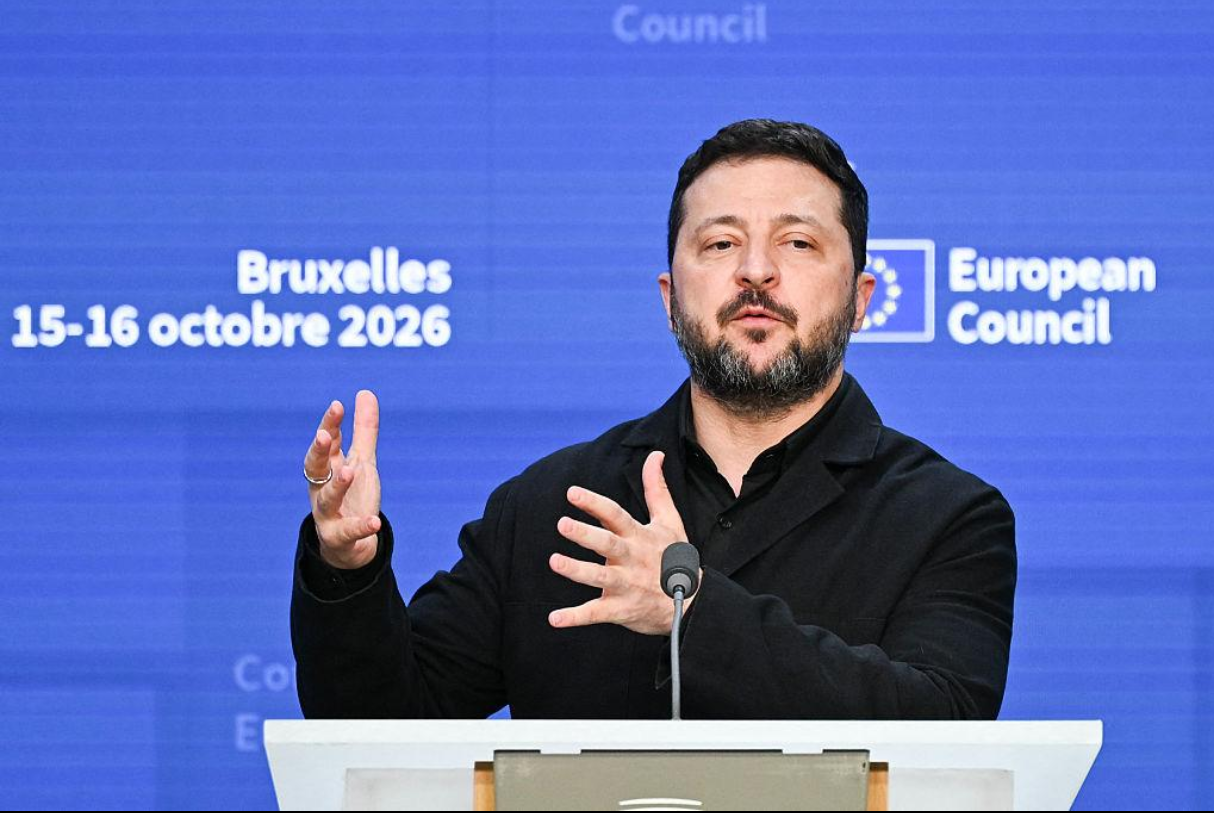
On 21 October 2026, Ukrainian president Volodymyr Zelensky announced his country’s readiness to halt active combat along current military lines, paving the way for talks with Washington and European capitals on long-term security guarantees. Yet, in a CNN interview the following day, he made it clear: freezing the front does not mean recognising Russian control over occupied areas or surrendering the territories still held by Kyiv.
Freezing the front: a tactical pause or a strategic shift?
Zelensky’s proposal to freeze the frontlines marks a potential turning point in the war, offering a way to stop the bloodshed and destruction after years of conflict. Speaking to Fox News on 21 October, he framed the pause as a realistic first step toward a political process, arguing that suspending hostilities could create space for negotiations. However, the Ukrainian leader stressed that this move would not equate to accepting Russia’s territorial claims.
The distinction is critical: a frozen front would pause the fighting along existing battle lines without legally validating Moscow’s annexation demands. For Kyiv, this approach separates military reality from legal recognition—a line Zelensky refuses to cross.
The territorial red line: no concessions on sovereignty
In his 22 October CNN interview, Zelensky reaffirmed Ukraine’s unwavering stance: no recognition of occupied territories as Russian, and no withdrawal from areas still under Kyiv’s control, particularly in the Donbass. « Our land is about people, not kilometres, » he stated, underscoring the human cost of the war and the nation’s commitment to its independence.
This position highlights the core dilemma in any negotiation: how can the front be stabilised without turning Russia’s military gains into permanent political losses for Ukraine? Moscow demands control over vast swathes of territory, including the entire Donetsk region, while Kyiv insists that surrendering these areas would betray its sovereignty and the sacrifices of its people.
Security guarantees: the missing piece of the puzzle
Beyond the frontlines, the reliability of security guarantees remains a make-or-break issue. Ukraine seeks ironclad commitments from the US and European partners to deter Russia from resuming its offensive after any potential ceasefire. Yet, the form of these guarantees—and whether Western nations will back them with military or diplomatic action—remains uncertain.
Zelensky’s recent comments to CNN also touched on strains in Ukraine’s relationship with Washington, particularly regarding military aid and communication systems vital to Kyiv’s defences. Despite these challenges, he continues to view the US as indispensable to any lasting resolution. Meanwhile, Europe’s role is equally significant, as Ukraine pushes for long-term security partnerships rather than merely a temporary halt to fighting.
A fragile diplomatic opening with no clear path forward
While Zelensky’s willingness to freeze the front signals a potential diplomatic opening, it does not guarantee an imminent peace deal. Russia and Ukraine remain deeply divided on territory, ceasefire terms, and the security measures needed to prevent a return to war.
Russian president Vladimir Putin responded on 22 October by expressing openness to US-mediated talks, though Moscow’s vision of a « durable settlement » still hinges on its security demands—including unresolved territorial disputes. The central question looms: can hostilities end without immediately resolving the status of contested regions? For Kyiv, the answer lies in decoupling the current military stalemate from legal recognition of borders.
A frozen front could serve as a first step toward de-escalation—if both sides agree on its terms and credible guarantees accompany the truce. Yet, as long as Moscow and Kyiv remain at odds over sovereignty and security, the prospect of lasting peace will stay out of reach. Ukraine’s delicate balancing act—halting the fighting while safeguarding its territory—may open the door to dialogue, but the outcome remains far from certain.