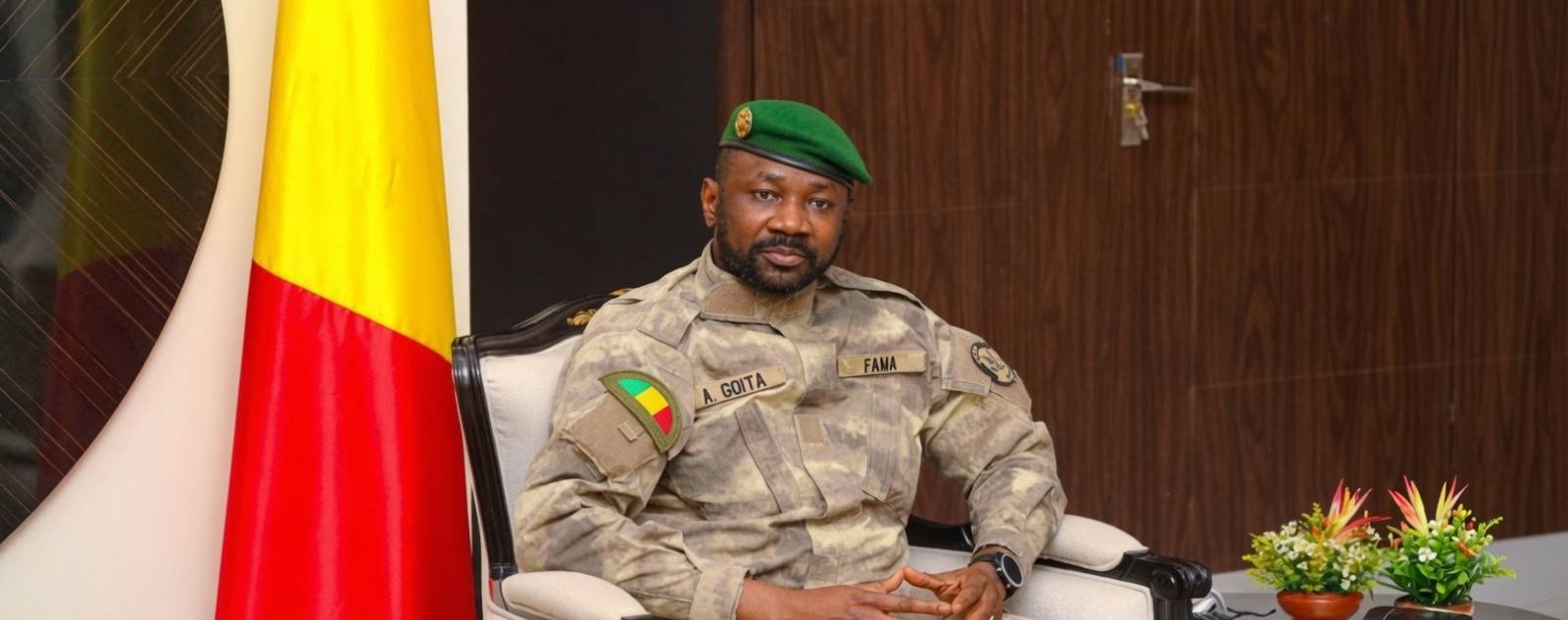
For years, Mali’s leadership has touted the Malian Armed Forces (FAMa) as a resilient, self-sufficient defender of national sovereignty. Yet, the recent Military Tribunal sessions in Sévaré, which began on 19 October 2026, expose a troubling truth. With 72 accused individuals—69 of them active-duty soldiers—facing 43 charges, including illegal arms trade, desertion, and violent offences, the proceedings reveal an institution grappling with systemic corruption and decay. Can Mali’s army truly secure its future when its greatest vulnerabilities lie within?
The alarming flow of state arms into enemy hands
Among the most troubling revelations is the rampant mismanagement of military resources. Nearly half of the cases involve missing, stolen, or illicitly trafficked firearms, ammunition, and explosives. This isn’t merely a logistical failure—it’s a direct security crisis. Many of these weapons, originally purchased with public funds, now arm terrorist factions like the Group for the Support of Islam and Muslims (JNIM) and the Islamic State in the Greater Sahara (EIGS).
In northern and central Mali, these diverted arms bolster the very groups the government accuses of foreign backing. The cruel paradox? Malian troops are increasingly under attack from weapons financed by their own nation.
Desertion and misconduct: erosion from within
After arms trafficking, desertion ranks as the most common charge in these trials. The military prosecutor’s acknowledgment of this trend underscores a crisis of morale—one that no patriotic rhetoric can mask. Despite repeated calls for soldiers to return to duty, the exodus continues, weakening frontline defenses.
Even more damaging are the allegations of extrajudicial killings, torture, abductions, and sexual violence committed by service members. Such abuses not only violate fundamental rights but also drive civilians away, severing critical intelligence networks and empowering insurgent narratives that frame themselves as defenders against state brutality.
Military justice: slow, inconsistent, and under fire
The Mopti tribunal, marketed as a display of transparency, instead highlights the persistent inefficiencies of Mali’s military legal system. While authorities cite security risks, a lack of judges, and remote locations as barriers to regular hearings, the fallout is severe. Indefinite pretrial detention—with some suspects held for years without verdict—has sparked condemnation from legal professionals.
A turning point for Mali’s command: confronting the crisis
For Colonel Assimi Goïta and the high command, the Sévaré trials must serve as more than a symbolic cleanup. They are a critical wake-up call: no counterinsurgency strategy can succeed if weapons leak to adversaries, discipline collapses, and justice drags its feet. Before asking for public trust, Mali’s military must first tackle its internal fractures—or risk bleeding out from self-inflicted wounds.