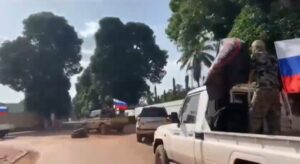
Residents of M’béngou, a rural village near Bamingui in the Central African Republic, fled in panic after a violent incursion by armed foreign fighters left several civilians dead and others injured. The sudden attack, allegedly carried out by Russian-speaking mercenaries, has plunged the community into a state of shock and desperation.
The assault, which occurred in broad daylight, triggered a mass exodus as survivors scrambled to escape the chaos. Eyewitnesses described scenes of terror as gunfire echoed through the streets, forcing families to abandon their homes without warning. Local authorities have yet to confirm the exact number of casualties, but reports indicate that at least four people were killed and numerous others wounded.
Unconfirmed reports and lingering fears
While details remain scarce, the attack has fueled widespread speculation about the motives behind the assault. Some villagers believe the mercenaries were targeting suspected opposition members, while others suggest the violence was indiscriminate. The lack of official statements has only deepened the uncertainty gripping the region.
Rescue efforts are underway, with medical teams and local volunteers working to assist the wounded. However, the absence of a strong security presence has left many questioning whether the area will ever feel safe again. The incident has also raised concerns about the growing influence of foreign armed groups in the Central African Republic and their impact on local communities.
Ongoing instability in the region
The attack on M’béngou is the latest in a series of violent incidents that have plagued the Central African Republic in recent months. The presence of mercenary groups, often linked to external actors, has exacerbated tensions and disrupted daily life for countless families. As the country grapples with political and economic challenges, the security vacuum continues to pose a grave threat to its people.
Residents of M’béngou and neighboring villages now face an uncertain future, with many unsure whether they can ever return to their homes. The international community’s response remains unclear, leaving locals to wonder if their cries for help will be heard.