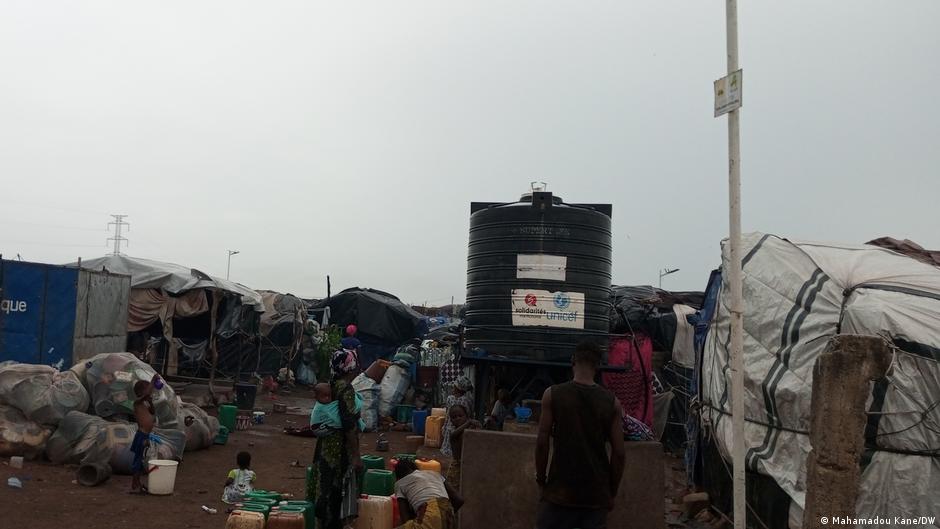
In the heart of Bamako, displaced families from the former Faladiè market site are facing harsh realities as they prepare to observe Tabaski under dire conditions. The Centre Amis des Enfants, originally a makeshift educational space, now shelters vulnerable households who fled conflict zones years ago but remain stranded without proper housing.
From bustling market to makeshift shelter
Aminata, a mother of four who escaped violence in Bankass in 2019, now shares cramped quarters in this informal camp. The evacuation of the Faladiè site in April left hundreds of displaced individuals in limbo, with no alternative accommodation in sight. Her voice reflects both exhaustion and urgent need as she describes the challenges ahead.
“The lack of a suitable relocation site isn’t just an environmental concern—it’s a daily struggle. Beyond healthcare, we desperately need food staples like rice and oil, and even festive clothing for our children to feel some joy during Tabaski.”
Lost livelihoods and shattered traditions
Just a short distance away, young Fousseyni and Oumar, aged 14 and 15, await scraps of income from livestock butchering. Once thriving in the market’s bustling trade, their families’ traditional livelihoods have collapsed since the eviction. The boys’ quiet demeanor speaks volumes about the erosion of their community’s economic stability.
“Last year at this time, we were selling sheep and transporting cattle for buyers—earning enough to support ourselves. Now? We stand idle, watching others carry on without us. It’s unbearable, yet we return daily, hoping for even small earnings.”
The Direction nationale du développement social, alongside local and international aid groups like Samu Social Mali and UNICEF, continues monitoring the 300 displaced families and the children at the center. Yet without designated relocation sites, their future remains uncertain as Tabaski approaches.