Chad’s cotton revival: France pledges $22.5 million to transform its industry
Chad, Central Africa’s second-largest cotton producer, secures a €19.35 million grant from France to revitalize its struggling cotton industry and boost rural development.
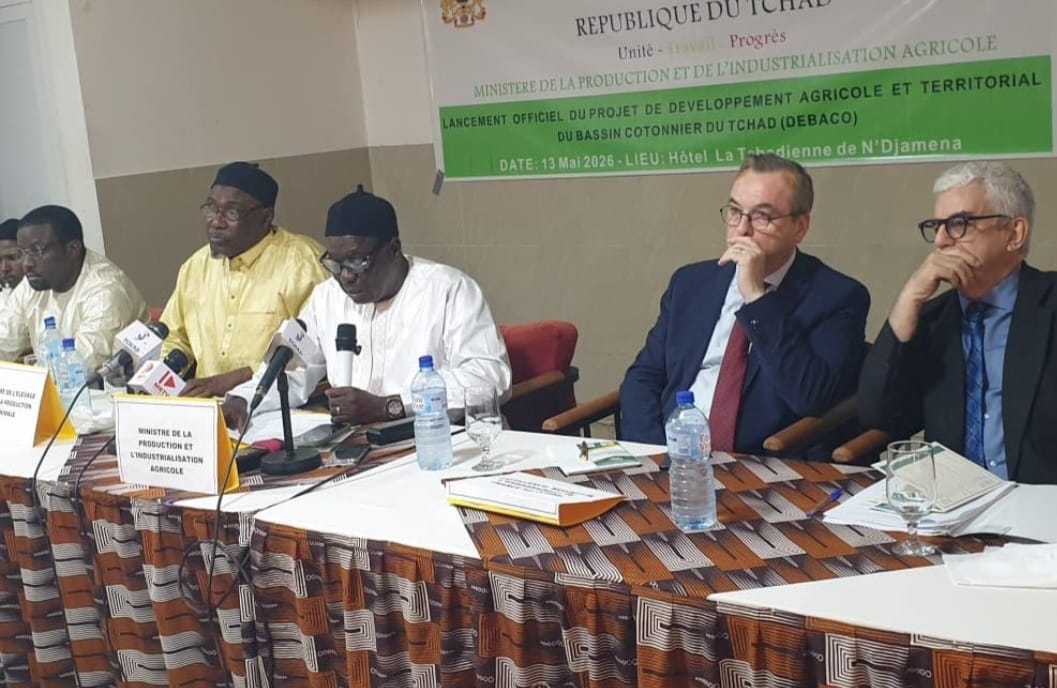
N’Djamena, Chad — Chad’s cotton industry, the backbone of its agricultural economy, is poised for a major transformation thanks to a €19.35 million (approximately $22.5 million) investment from France. The five-year Projet de Développement agricole et territorial du bassin cotonnier du Tchad (DEBACO) aims to stabilize the sector after years of erratic production.
France steps in to revive Chad’s struggling cotton sector
Launched on May 13 by Chad’s Ministry of Production and Agricultural Industrialization, DEBACO targets Mayo-Kebbi Ouest and Moyen-Chari provinces—regions that collectively account for roughly a quarter of the country’s annual cotton output. The project’s funding comes from the French Development Agency (AFD), signaling a renewed commitment to Chad’s agricultural future.
A comprehensive approach to rural development
While cotton remains the primary focus, DEBACO extends its support to vital food crops such as sorghum, maize, cowpeas, and groundnuts, ensuring the project aligns with food security goals. The initiative includes land-use planning, demarcation of livestock corridors, conflict prevention measures, and the establishment of local dialogue frameworks to foster collaboration among farmers, herders, and agricultural stakeholders.
From boom to bust: Chad’s cotton production rollercoaster
Chad’s cotton output has been anything but stable. After a 9% increase in the 2023-2024 season, bringing production to 111,262 tonnes, the following year saw a dramatic 48% decline to just 57,774 tonnes. Projections for 2025-2026 suggest a modest recovery to 75,000 tonnes, but the sector remains vulnerable to climatic and economic fluctuations.
With DEBACO’s structured interventions, stakeholders are hopeful that this downward trend will reverse. The project’s integrated approach—combining agricultural support, rural infrastructure, and conflict mitigation—could provide the stability Chad’s cotton industry desperately needs to thrive in the long term.