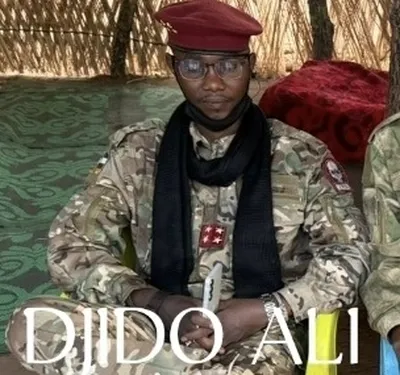
The Central African Republic has witnessed a dramatic shift in military leadership after intense pressure from Russian-backed mercenary forces. Ahmat Chaltout, who had recently been appointed as the new Chief of Staff of the MPC, has relinquished his position under the weight of these external influences. His successor is Didot Ali, a former head of the same military faction.
How foreign-backed forces reshaped Central African military leadership
Reports emerging from Bangui indicate that the mercenary groups operating in the country played a decisive role in the sudden change of command. These forces, widely believed to be aligned with Russian interests, have significantly increased their influence over local military decisions in recent months. Their involvement has sparked widespread debate about the sovereignty of the Central African Republic’s armed forces.
Didot Ali takes charge amid shifting power dynamics
Didot Ali, who previously served as the MPC’s Chief of Staff, has now reassumed leadership following the ousting of his successor. Analysts suggest that his return may signal a realignment of military strategies, particularly in regions where foreign-backed factions have gained prominence. The move has raised questions about the future direction of the MPC and its relationship with external actors.
Implications for Central African stability and regional security
The reshuffle comes at a critical juncture for the Central African Republic, where political and military stability remains fragile. The presence of Russian-backed mercenaries has been a contentious issue, with critics arguing that their involvement undermines national sovereignty. Meanwhile, proponents claim that these forces have contributed to security improvements in certain areas.
As Didot Ali assumes his new role, the international community will be closely monitoring the situation to assess the potential impact on regional security and the ongoing efforts to restore peace in the Central African Republic.