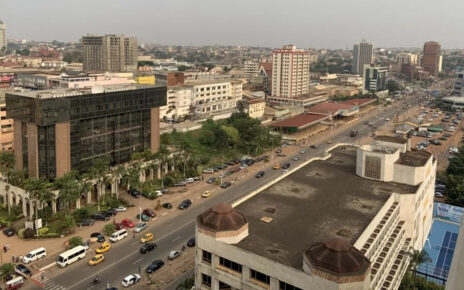
Dakar is set for a pivotal legislative session today as lawmakers deliberate on a sweeping constitutional reform bill. The proposed changes aim to overhaul the country’s political architecture, addressing power dynamics, institutional efficiency, and governance frameworks—all while shaping the trajectory of the 2029 presidential ambitions.
a call for structural change in Senegal’s governance
The draft revision, currently under scrutiny, seeks to redefine the balance of power within Senegal’s institutions. Advocates argue the reforms are long overdue, pointing to inefficiencies in governance and a need for modernization. Among the proposed adjustments are measures to enhance transparency, streamline bureaucratic processes, and clarify the separation of powers—a move some analysts suggest could reshape the political landscape.
key provisions and their implications
The text introduces several provisions that could have far-reaching consequences:
- Institutional rebalancing: Redistributing authority among branches of government to prevent overconcentration of power.
- Governance modernization: Updating laws to reflect contemporary challenges, including digital governance and anti-corruption measures.
- Presidential term clarity: Addressing ambiguities around term limits and eligibility, a topic that has sparked debate amid speculation over 2029 ambitions.
expert analysis: why these reforms matter
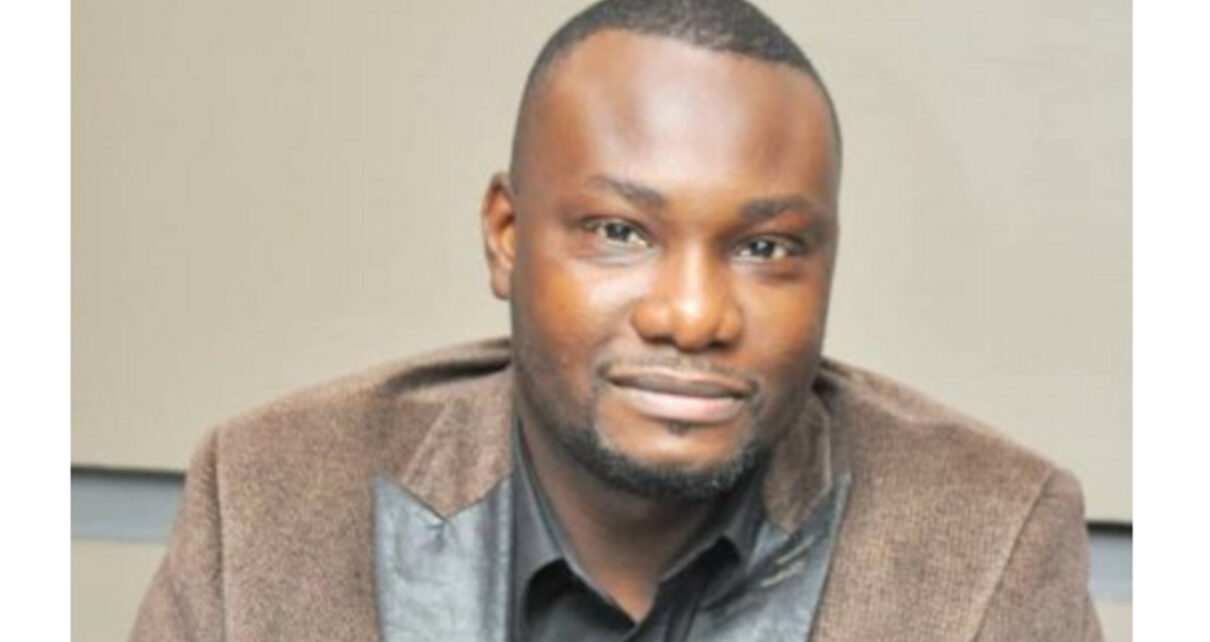
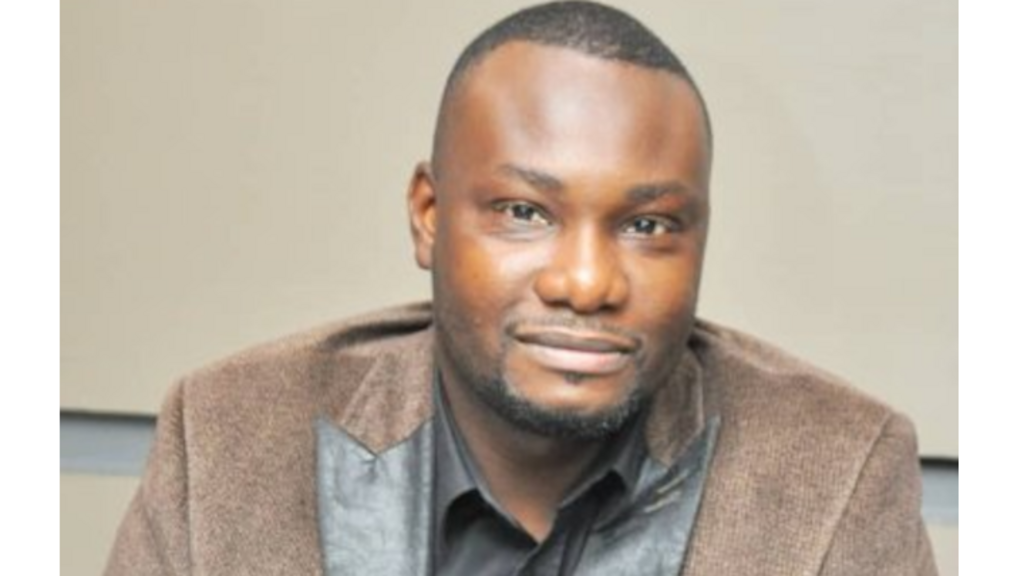
Papa Fara Diallo, political science lecturer at Gaston Berger University in Saint-Louis, underscores the urgency of these changes. In a candid discussion, he highlights how the reforms could either stabilize Senegal’s democracy or deepen existing divides, depending on their implementation. “The system requires more than superficial adjustments,” Diallo notes. “A genuine overhaul is necessary to align governance with the expectations of a new generation.”
the road ahead: political and public reactions
Reactions to the proposed reforms are mixed. While some lawmakers praise the initiative as a step toward progress, critics warn of potential disruptions to stability. The debate reflects broader tensions between reformist aspirations and the need to maintain continuity in a country known for its democratic resilience. As the session unfolds, all eyes will be on Dakar to see whether these changes can bridge divides or further polarize the political spectrum.