China calls for halt to global powers exploiting DRC’s mineral wealth to settle regional disputes
- Security
The Chinese ambassador to the United Nations, Fu Cong, has delivered a strong warning to the international community regarding the escalating crisis in eastern Democratic Republic of the Congo (DRC). Speaking at a UN Security Council session, he emphasized that the unchecked exploitation of the DRC’s vast mineral resources has become a primary driver of instability in the Great Lakes region.
Addressing the persistent violence and the resurgence of Ebola, Fu Cong stated, “The conflict in eastern DRC continues unabated, and the re-emergence of Ebola has further strained an already fragile security and humanitarian landscape. Immediate, coordinated action is required to reverse this troubling trend.”
Root causes of conflict must be addressed urgently
Highlighting the need for a deeper examination of the conflict’s economic foundations, the Chinese envoy underscored that the DRC’s natural wealth—rather than fostering national development—has been systematically plundered by armed groups. This illicit trade, he noted, directly fuels ongoing violence.
“The root causes of the conflict cannot be ignored any longer. The DRC’s abundant natural resources should be an engine for national growth, yet they are instead being looted, trafficked, and weaponized to perpetuate instability,” Fu Cong declared during Friday’s session.
China has positioned itself as a key advocate for transparent and inclusive mineral governance in the region. Fu Cong outlined Beijing’s commitment to supporting regional initiatives aimed at curbing illicit mineral trade, stating, “China stands ready to assist countries in the region in establishing transparent mining cooperation frameworks. Such measures are critical to breaking the cycle of illegal commerce that sustains conflict.”
Global powers warned against treating minerals as bargaining chips
In a pointed critique of external actors’ involvement, Fu Cong cautioned that major non-regional powers must refrain from leveraging the DRC’s mineral wealth as a tool to resolve broader regional disputes. “The exploitation of these resources should not be treated as a negotiating chip in geopolitical games. Instead, we must foster open, mutually beneficial cooperation where local populations benefit from sustainable development,” he asserted.
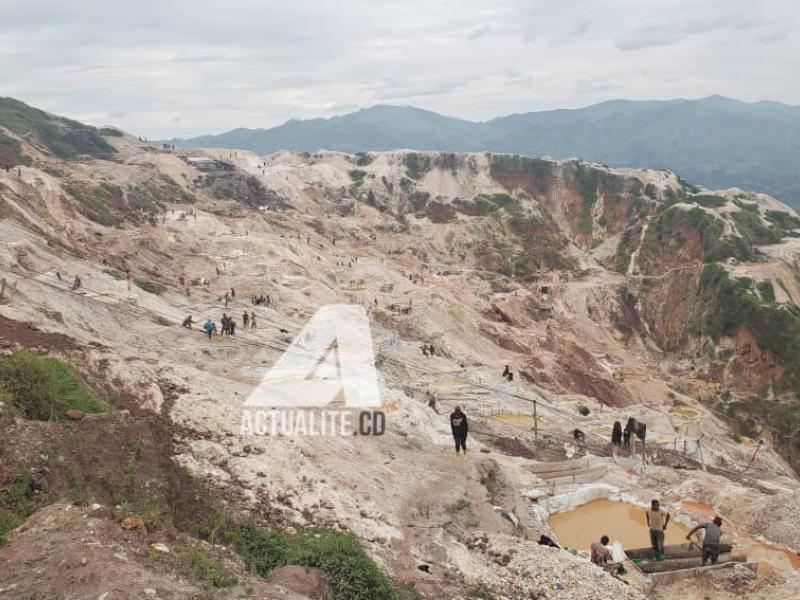
China’s intervention comes amid mounting evidence that armed groups—including the M23 rebel faction—control critical mining sites such as Rubaya. This illicit trade, authorities allege, strips the state of vital revenue while exacerbating economic stagnation in eastern provinces. The Congolese government has long framed the conflict as an “economic war,” implicating neighboring Rwanda through proxy forces—a claim Kigali consistently denies.
Efforts to stabilize the region have thus far yielded limited results. The Washington Agreement, brokered with US facilitation between the DRC and Rwanda, aimed to address both security and economic grievances tied to mineral exploitation. However, implementation has stalled, with both nations accusing each other of failing to honor commitments. Similarly, the Doha Process, mediated by Qatar, seeks direct dialogue between Kinshasa and the M23, yet tangible progress remains elusive amid persistent insecurity.
As the international community grapples with these challenges, Fu Cong’s remarks signal a growing recognition that sustainable peace in eastern DRC hinges on ending the predatory exploitation of its natural resources—a sentiment echoed by regional stakeholders.