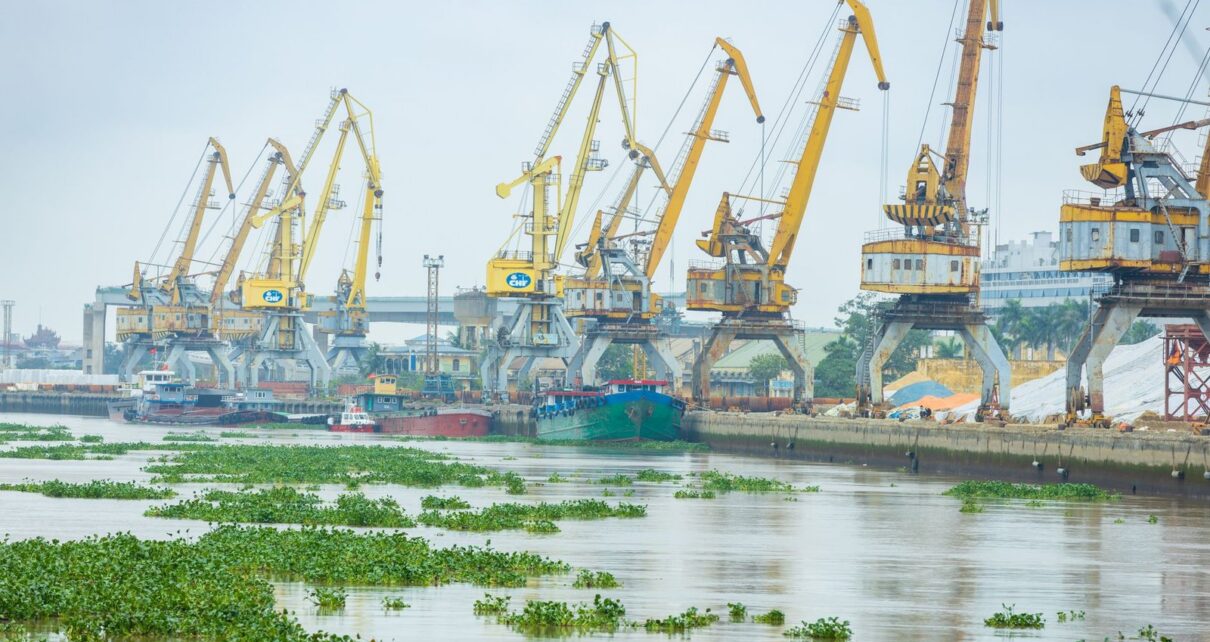
Cameroon has officially rolled out a dramatic reduction in import duties on European goods, slashing tariffs by up to 70% as part of its Economic Partnership Agreement (EPA) commitments with the European Union and the United Kingdom. The announcement, confirmed by Finance Minister Louis Paul Motazé, targets a third category of products deemed critical for national revenue, with the phased reduction set to reach full elimination by 2030 at a steady annual pace of 10%.
The initiative covers a wide range of industrial goods—including commercial vehicles, fuels, cement, paints, and industrial packaging—originating from EU member states and the UK. This follows earlier phases that have already waived duties on two prior product groups. Since August 4, 2023, imports such as plaster, clinkers, trucks, trailers, and generators have entered duty-free. Meanwhile, pharmaceuticals, fertilizers, pesticides, computers, gas canisters, and tractors have enjoyed tariff-free access since August 4, 2019.
Revenue loss remains manageable despite tariff cuts
When the EPA was first introduced, concerns arose over potential revenue shortfalls due to declining customs income from European imports. Official figures now show that over the past decade, cumulative customs revenue losses total roughly 103 billion FCFA—an average annual shortfall of just over 10 billion FCFA. While substantial, this decline has been absorbed without destabilizing public finances, thanks in part to broader changes in trade dynamics.
Remarkably, Cameroon’s total customs revenue surpassed the 1,000 billion FCFA mark for the first time in 2023. This growth, occurring even as European import duties declined, reflects a strategic shift in trade partnerships, especially toward Asian markets, which has helped offset reduced tariff income from Europe.
China emerges as the unexpected trade leader
One of the most striking outcomes of the EPA is the unintended rise of China as Cameroon’s dominant trade partner. Despite preferential access granted to European goods, Beijing has solidified its position as both Cameroon’s top supplier and largest customer since 2013. Recent economic competitiveness reports from Cameroon’s Ministry of Economy underscore this shift.
Between 2016 and 2024, China’s market share in the machinery and equipment sector surged from 23.8% to 52.5%, a gain of nearly 29 percentage points. Over the same period, the EU’s share plummeted from 50.1% to 29.3% before stabilizing slightly at 32.3% in 2024—a decline of nearly 20 points. This sharp contrast raises serious questions about the effectiveness of tariff preferences granted to European industries in the face of China’s aggressive pricing strategy.
Benefits skew heavily toward large corporations
An analysis of APE usage reveals a significant imbalance in who benefits from the tariff reductions. As of December 31, 2023, out of 1,021 companies leveraging the APE preferential tariff, fewer than 5% captured approximately 75% of the total fiscal benefits. The disparity extends to company size: large enterprises accounted for 80% of the gains, leaving only 20% for small and medium-sized businesses. This imbalance highlights both the structure of formal imports in Cameroon and the varying capacity of businesses to navigate preferential customs procedures.
The Ministry of Economy’s Competitiveness Committee notes that an analysis of the top 50 companies using the APE preferential tariff shows a clear dominance of industrial and commercial sectors. With full tariff elimination scheduled for 2030, Cameroonian authorities face a critical decision: maintain a long-standing European economic anchor or adapt to an economy increasingly dictated by China’s momentum. Industry observers suggest this trade realignment is already fueling discussions about revisiting the EPA framework.