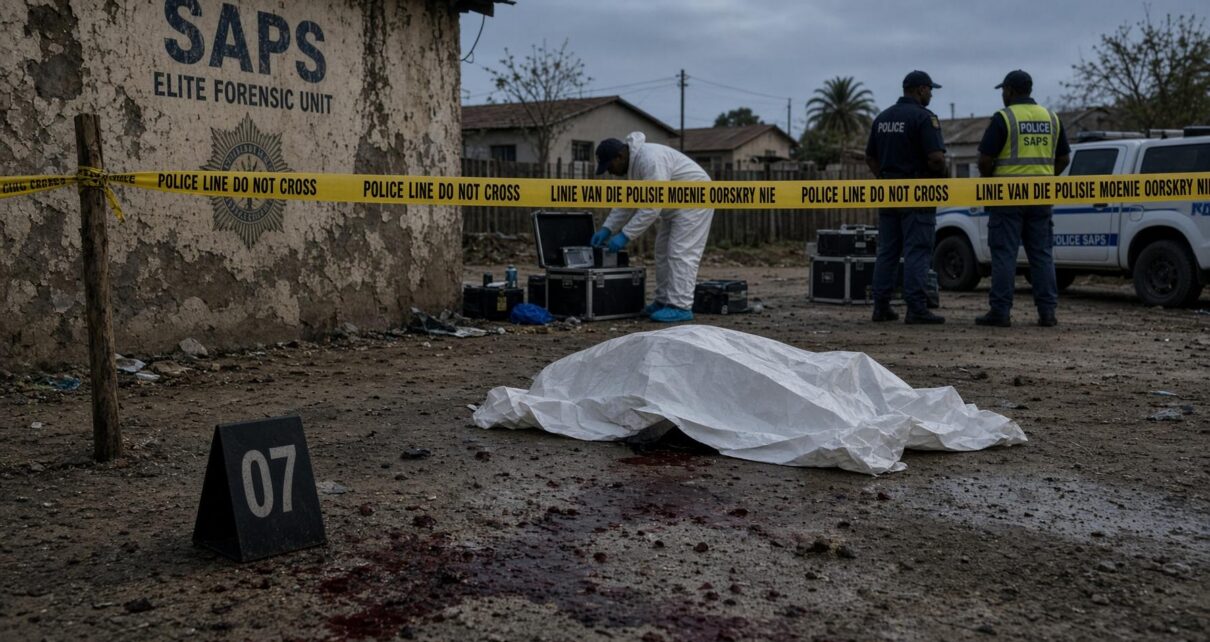
South Africa is once again grappling with a wave of unprecedented violence after coordinated mass shootings rocked Johannesburg and the Cape Town region, leaving at least 27 people dead in a matter of hours. These attacks, targeting unarmed civilians in separate locations, have exposed deep-rooted dysfunction in the country’s security apparatus and socioeconomic fabric.
What unfolded in these deadly attacks?
In Johannesburg, a densely populated township became the epicenter of a brutal shooting spree. Witnesses reported assailants opening fire indiscriminately in a crowded informal settlement, where bystanders and local residents bore the brunt of the violence. Meanwhile, in Cape Town’s outer districts—a known hotspot for gang warfare and organized crime—a second attack unfolded under similar circumstances, with multiple casualties reported.
The perpetrators, described by police as heavily armed and highly mobile, fled the scenes in vehicles, prompting massive manhunts across both provinces. Authorities have yet to release detailed profiles of the suspects, raising concerns about potential links to larger criminal networks operating with relative impunity.
The hidden forces fueling South Africa’s gun violence epidemic
Organized crime’s grip on vulnerable communities
While the immediate cause of these shootings remains under investigation, a closer examination reveals a pattern deeply embedded in South Africa’s socioeconomic challenges. Violence in the country is often a byproduct of violent turf wars between:
- Drug trafficking syndicates: Competing factions fight for control over lucrative trade routes, particularly in marginalized neighborhoods where law enforcement presence is minimal.
- Gang-controlled taxi industries: Rival groups dominate public transportation in key urban areas, using extortion and territorial dominance to sustain their operations. Disputes frequently escalate into shootouts with civilian casualties.
- Illicit arms trafficking: South Africa’s porous borders and weak regulatory frameworks allow illegal firearms to circulate freely, arming both criminals and vigilantes alike.
Systemic failures and public distrust
The recurring nature of such tragedies points to systemic failures in policing and policy enforcement. Despite repeated government pledges to curb illegal gun ownership and strengthen community policing, structural weaknesses persist:
- Understaffed and under-resourced police units struggle to maintain control in high-risk areas.
- Slow judicial processes allow suspected criminals to re-enter communities before trial.
- Corruption within law enforcement and municipal structures occasionally undermines crackdowns on organized crime.
Why these attacks reveal a turning point in South Africa’s security climate
These recent shootings are not isolated incidents but reflective of a broader shift in how violence is weaponized. The choice of targets—public, densely populated areas—suggests a deliberate strategy to maximize fear and disrupt daily life. This escalation signals a possible breakdown in the tacit agreements that previously limited the scale of mass violence.
Civil society leaders warn that without decisive action, such attacks could become the new norm, eroding public trust in institutions and deepening societal fragmentation. The government’s response, thus far, has been met with skepticism, as citizens demand accountability and tangible reforms.
What lies ahead for South Africa’s fight against mass shootings?
The path forward remains uncertain. Short-term measures, such as increased patrols and intelligence-driven operations, may provide temporary relief. However, long-term solutions require addressing the socioeconomic drivers of crime:
- Economic empowerment: Creating job opportunities in high-risk communities could reduce reliance on illicit economies.
- Community policing: Building trust between residents and law enforcement through transparency and collaboration.
- Strict firearm regulations: Implementing stricter controls on gun ownership and dismantling illegal arms networks.
As South Africa confronts this latest crisis, the nation’s resilience will be tested—both in restoring safety and healing the divisions that violence has deepened.