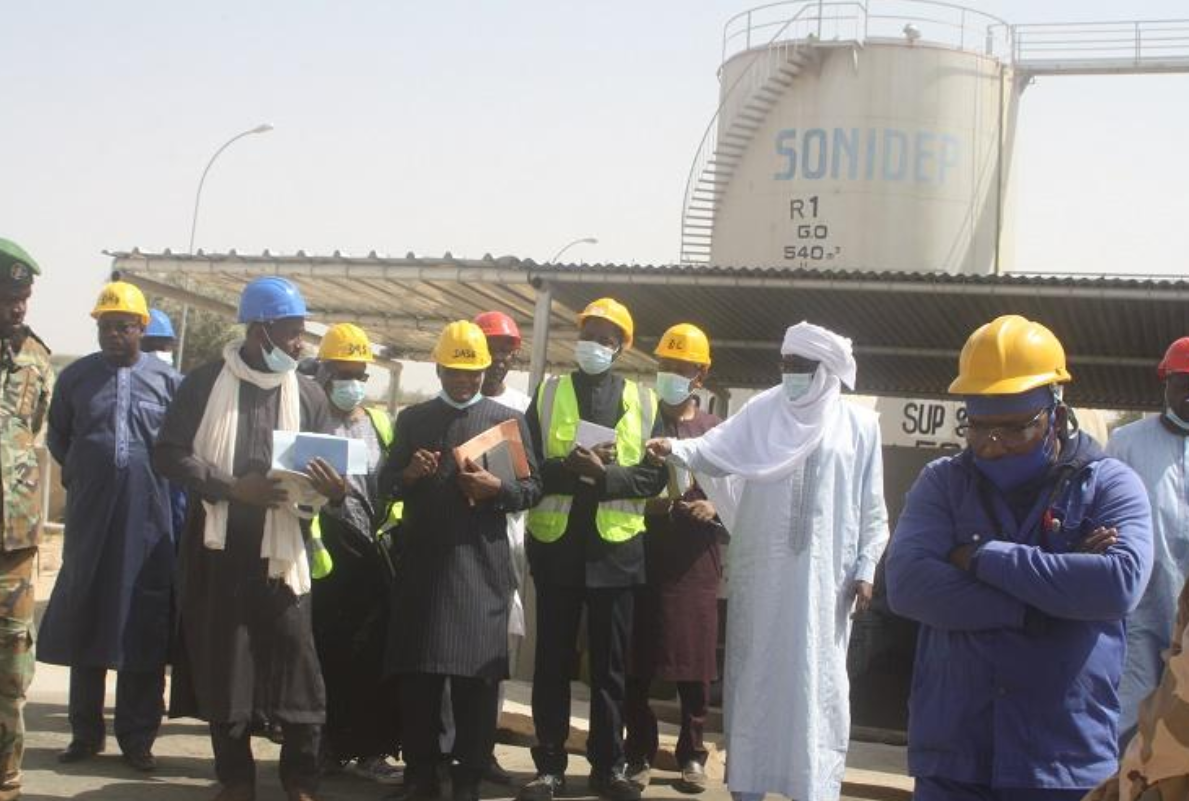
The billion-cfa question: what’s really hiding in Niger’s oil sector?
Niger’s petroleum sector is simmering with a scandal that could redefine the country’s political landscape. When an inspection team uncovered irregularities totaling nearly 7 billion CFA francs in just two files, the stakes became impossible to ignore. But as the investigation began to peel back layers of financial mismanagement, the operation was abruptly halted—raising uncomfortable questions about who benefits from the silence.
7 Billion francs: the tip of the iceberg?
An initial sweep of two financial documents at the Société nigérienne des produits pétroliers (SONIDEP) exposed discrepancies worth 7 billion CFA francs. That staggering figure, revealed by sources close to the investigation, is merely the beginning. With over a hundred additional files still under scrutiny, the full scale of potential mismanagement remains buried—unless someone wants it to stay that way.
Power plays and interrupted investigations
The timing of the inspection’s suspension has fueled speculation. Criticism centers on claims that the operation was halted to shield influential figures caught in the financial crosshairs. The abrupt pause, allegedly ordered by high-ranking officials, underscores a troubling pattern: transparency takes a backseat when oil sector audits begin to expose powerful networks.
Why does an anti-corruption mission pause mid-process, especially when the initial findings point to billions in questionable transactions? The answer may lie in the political alliances woven around Niger’s most lucrative resource.
Issaka Gado’s Djibouti move: coincidence or calculated escape?
Amid the turmoil, a high-profile diplomatic appointment has raised eyebrows. Issaka Gado, former chairman of the SORAZ oil refinery and brother of ex-Prime Minister Ali Mahamane Lamine Zeine, has been reassigned as Niger’s permanent representative to Djibouti. The timing of this move, coming as audits in the oil sector intensify, has fueled theories of a strategic retreat.
Gado’s tenure at SORAZ coincided with past audits that triggered significant repercussions—including detentions of key figures. His sudden diplomatic posting, though framed as routine, now appears entwined with the unfolding petroleum scandal.
The SORAZ-SONIDEP audit saga: a history of halted inquiries
The current controversies echo a past audit wave that began under former Minister Barké. That initiative, launched to scrutinize ties between SORAZ and SONIDEP, ended in detentions and abrupt reversals. The parallels to today’s halted inspection are impossible to overlook.
Dr Sahabi Oumarou’s later attempt to revive these audits met a similar fate, culminating in his removal from office. Each abandoned investigation chips away at public trust, leaving citizens wondering: what is being concealed, and by whom?
The Mazars audit: a promise unfulfilled
The Minister of Petroleum, Tini, once proposed an independent audit by Mazars to restore credibility to the sector. Despite a signed workshop protocol in April 2026 outlining the plan, the mission remains stalled. Months have passed without progress, raising doubts about the government’s commitment to transparency.
Who is blocking this critical step toward accountability? The delay casts a shadow over official pledges to clean up the petroleum industry.
Diplomatic chess moves: are UN corridors the new hiding ground?
A minister’s remarks about networks operating within UN agencies have added a global dimension to the scandal. Allegations suggest former regime allies embedded in international institutions could manipulate narratives or obstruct justice. With Issaka Gado’s diplomatic reassignment to Djibouti, these claims gain fresh relevance.Are these UN postings merely diplomatic placements—or calculated maneuvers to protect figures entangled in sensitive investigations?
What’s at stake beyond the numbers
Niger’s oil sector is not just about financial discrepancies; it’s about power. The 7 billion CFA francs are a symptom of deeper dysfunction—a system where transparency is weaponized or suppressed depending on who it threatens. If audits are routinely derailed when they near powerful syndicates, the sector’s credibility—and the nation’s governance—hang in the balance.
The public deserves clarity: Are these interruptions justified, or do they reflect a coordinated effort to bury the truth?
Unanswered questions and the road ahead
As Niger’s petroleum scandal unfolds, the gaps in accountability grow more glaring. Who shields the suspected networks? Why do audits stall at critical junctures? The answers may reveal more about Niger’s political machinery than its oil reserves.
One thing is certain: the petroleum sector’s secrets will not stay buried forever. The cost of silence—7 billion francs and counting—is too high for a nation seeking justice.