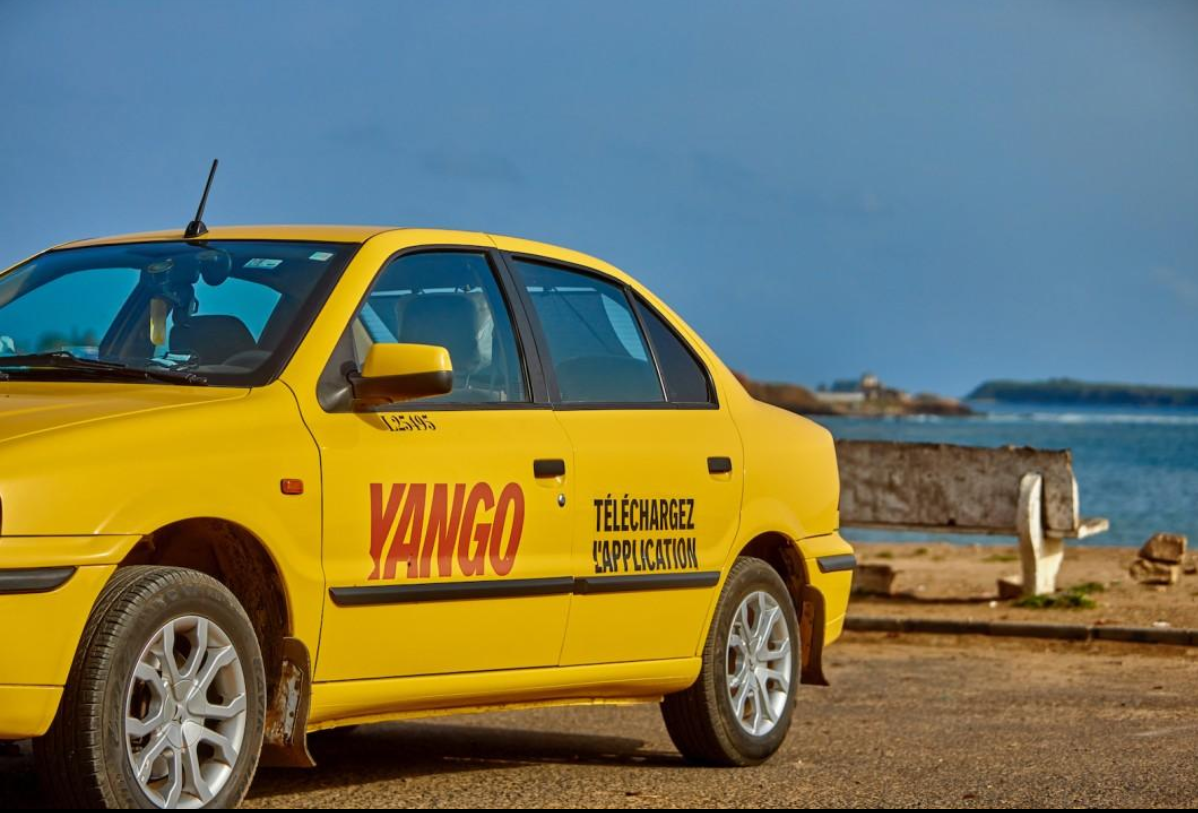
When the digital safety promise fails: Yango under fire for alleged driver crimes
Will ride-hailing services in Dakar ever regain passenger trust after a shocking wave of allegations against a Yango driver? Multiple women have come forward with harrowing accounts of sexual assault, armed robberies, and coercive threats—all linked to a single driver operating through the platform. This crisis exposes critical gaps in driver vetting, passenger protection, and platform accountability in Senegal’s growing VTC sector.
The accusations, circulating widely since early November, paint a chilling picture: women reporting eerily similar experiences of forced route changes, isolated drop-off points, and violent intimidation. Some describe how the driver allegedly locked car doors, brandished a knife, and demanded access to their mobile money wallets under duration. Others recount the unimaginable—violent assaults committed under the threat of deadly force.
Inconsistencies in travel records raise red flags
Yango’s initial response has done little to quell concerns. In a November statement, the company’s deputy director, Aïssata Ouane, acknowledged the gravity of the allegations while claiming their systems showed no matching trip records for the alleged incidents. This discrepancy—between survivor testimonies and platform data—has fueled skepticism among users and legal experts alike.
The company claims to be cooperating with authorities and engaging with alleged victims, but questions persist about the driver’s registration status at the time of the reported crimes. How could management oversee such blatant discrepancies in reported activity? What verification gaps allowed this individual to operate undetected?
Beyond Yango: A systemic failure in passenger safety?
This isn’t just a Yango crisis—it’s a sector-wide reckoning. Senegal’s ride-hailing boom promised safer, traceable travel for urban women, especially after dark. But when a single driver can allegedly exploit platform weaknesses to terrorize multiple passengers, the entire model’s credibility crumbles. The debate now centers on:
- Pre-employment screening: Are criminal background checks mandatory for VTC drivers in Senegal?
- Real-time monitoring: What systems exist to track driver behavior patterns and intervene during suspicious activity?
- Victim support: Are platforms obligated to connect survivors with emergency services and legal assistance?
- Regulatory oversight: Who audits these platforms’ safety protocols—and holds them accountable when failures occur?
Civil society demands systemic change
The #WaxJotNa movement has emerged as a vocal advocate for survivors. In a recent statement, the activist coalition condemned the alleged crimes while demanding:
- Full transparency about the investigation and its findings
- Mandatory psychological and legal support for alleged victims
- Stricter, standardized driver vetting across all ride-hailing apps
- A national framework for regulating Senegal’s VTC industry
These demands reflect growing public frustration with an industry that prioritizes convenience over safety. If platforms like Yango can’t guarantee basic protection, what exactly are they selling?
Legal liability: Who bears responsibility for these crimes?
The legal implications could redefine how Senegalese courts view platform accountability. Traditional arguments suggest VTC companies act as mere intermediaries, shielding them from liability for driver misconduct. However, emerging precedents in digital commerce suggest platforms may share responsibility when:
- Gross negligence in driver screening is proven
- Reported safety concerns are ignored without investigation
- Technical loopholes allow criminal activity to go undetected
As investigations proceed, one truth becomes undeniable: no woman should fear violence simply for choosing a ride-hailing service. The cost of these failures isn’t just financial—it’s human.
What comes next for Senegal’s ride-hailing future?
Yango’s crisis may well mark a turning point for the entire sector. Already, users report reduced downloads and cancelled subscriptions. The question isn’t whether this scandal will fade—it’s whether Senegal’s VTC industry will emerge stronger, with robust safety measures that match digital innovation in scale and urgency.
The stakes couldn’t be higher. Women’s right to safe movement isn’t a luxury; it’s a fundamental requirement for any city claiming progress. Will Senegal’s ride-hailing platforms finally step up—or will they become just another digital space where safety takes a backseat to profits?