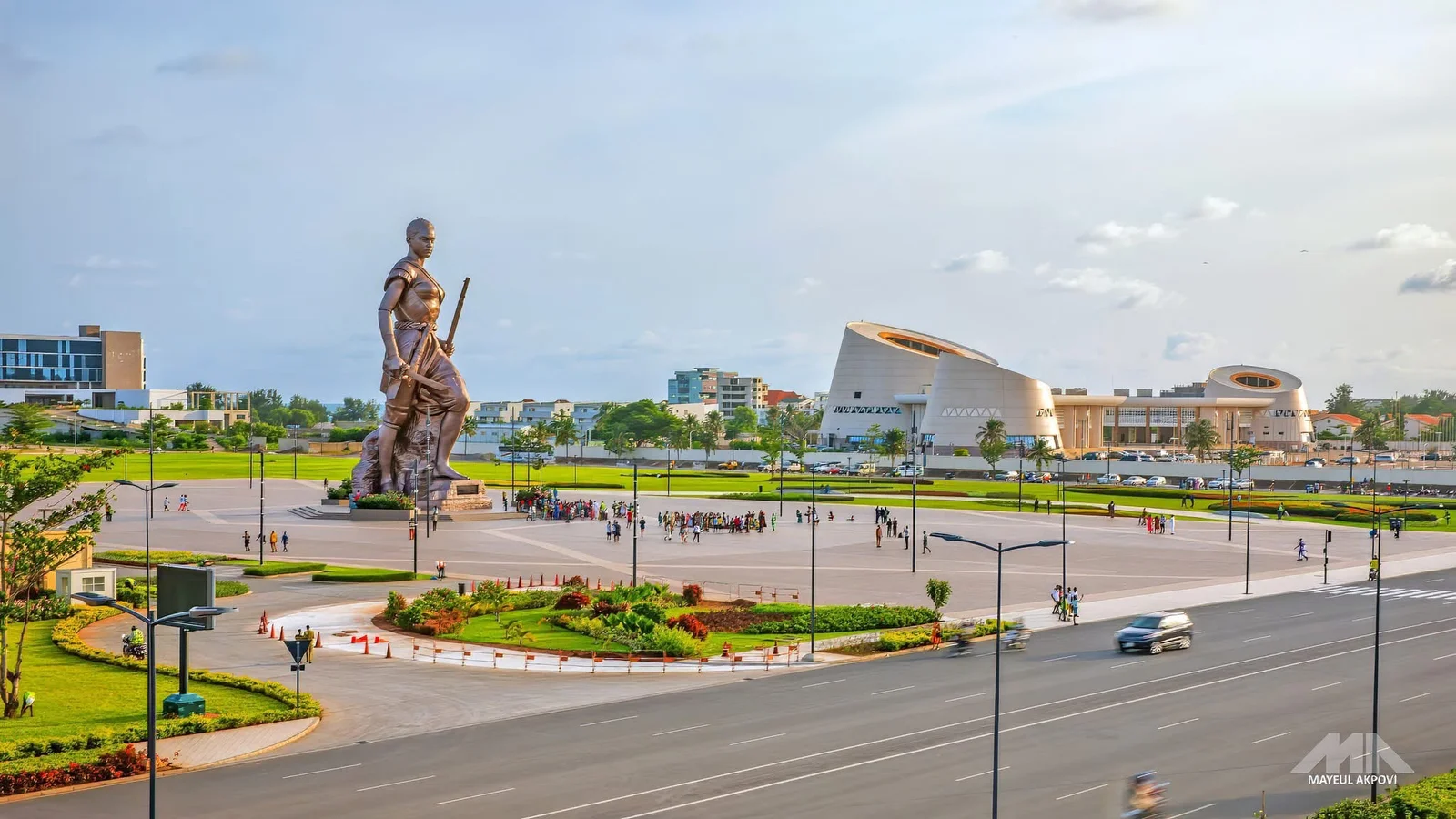
In a continent often defined by its rapid urban growth and environmental challenges, a crucial question emerges for Africa’s policymakers and city planners: can sustained urban sanitation initiatives truly transform public perception and city rankings? The 2025 edition of the continent’s most reputable cleanliness evaluation provides a compelling answer, positioning Cotonou at the pinnacle of West Africa and third across Africa as a whole. This achievement underscores more than a statistical milestone it reflects a profound shift in urban governance and resident satisfaction.
From sixth to third: the numbers behind Cotonou’s ascent
The latest ranking, based on feedback from nearly 7,900 residents who evaluated their city’s cleanliness, places Cotonou on a pedestal previously unattained in recent memory. With a score of 7.6 out of 10, the city’s rise from sixth place in the prior assessment signals a transformation rooted in deliberate policy and community engagement. More than a number, this score represents the lived experience of residents navigating cleaner streets, better-maintained public spaces, and a stronger sense of civic pride.
Behind the numbers: the pillars of urban transformation
The leap in Cotonou’s ranking is no accident. It stems from a coordinated strategy built on three core pillars: robust waste collection systems, consistent public space maintenance, and strategic urban infrastructure upgrades. These efforts seek not only to remove visible waste but to foster long-term environmental responsibility among residents and authorities alike.
Collecting what matters most: transforming waste into routine
Every month, over 14,000 tons of household waste are systematically collected and processed in Cotonou. This achievement reflects the deployment of specialized teams, modern collection vehicles, and optimized logistics networks tools that have redefined the city’s approach to waste management. No longer a sporadic effort, waste collection has become a rhythmic public service, one that residents now expect as part of daily urban life.
Streets and spaces: the canvas of cleanliness
Beyond waste, cleanliness is written on every street and square. In 2024 alone, millions of square meters of public spaces underwent regular upkeep, from routine sweeping to full-scale rehabilitation of pedestrian zones. These efforts have not only improved aesthetics but have also enhanced safety, mobility, and accessibility across neighborhoods. The city’s visual and functional transformation is now visible in every district, from bustling markets to quiet residential areas.
From perception to permanence: building a lasting legacy
Yet the true measure of Cotonou’s success lies not in awards, but in sustainability. To move from third place to a permanent culture of cleanliness, the city must now consolidate its systems, deepen resident involvement, and ensure that investment flows continue unabated. Public-private partnerships, community-led clean-up initiatives, and continuous monitoring will be essential to prevent regression and scale success.
For Cotonou, this third-place ranking is not just a badge of honor it is a call to action. It challenges the city to go beyond reactive cleanliness drives and embed cleanliness into the DNA of urban life. The goal now is clear: to make cleanliness a daily habit, not an occasional event.
A model for Africa’s growth: lessons from Cotonou
The lessons from Cotonou extend far beyond its borders. For other African cities grappling with similar challenges, this rise offers a blueprint: prioritize consistency over campaigns, invest in systems over symbols, and place resident feedback at the heart of decision-making. In an era where urbanization outpaces infrastructure, Cotonou’s journey demonstrates that transformation is not only possible but within reach, with the right vision and resolve.
By AMINA SALEY — Journalist