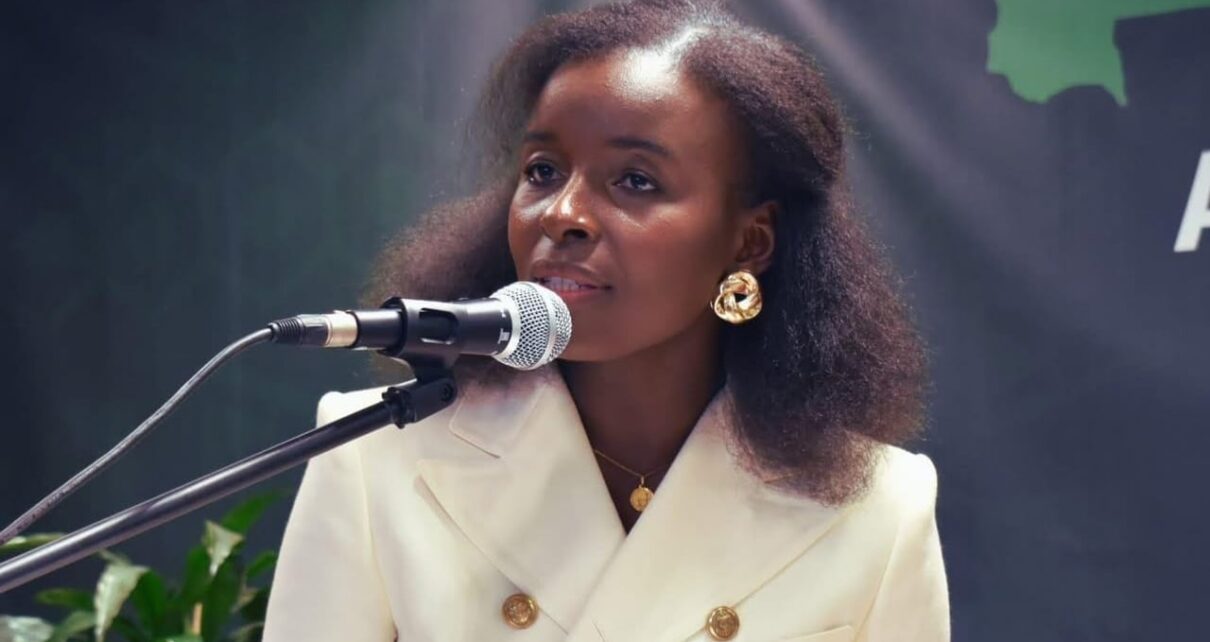
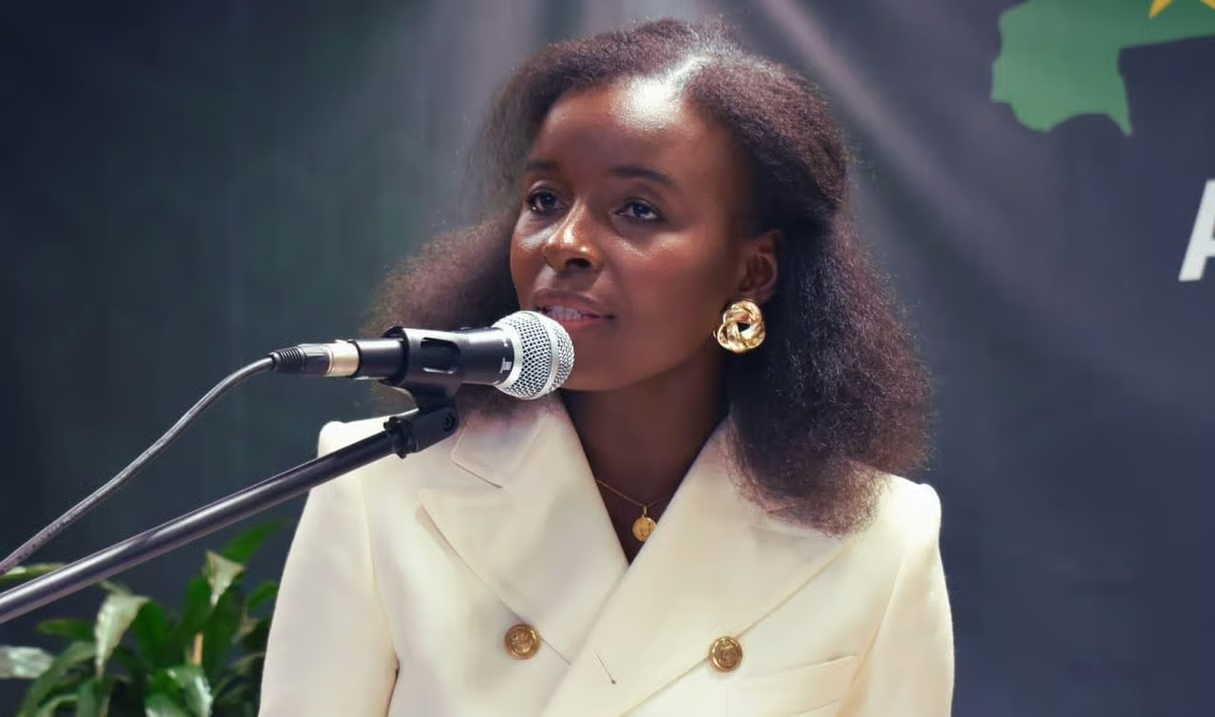
In the heart of the Sahel, a new voice is emerging, unshaken by the turbulence of political upheaval. Mayra Djibrine, a Nigerien activist, has become a defining figure in the opposition to recent military takeovers sweeping through the region. Her unwavering stance, encapsulated in the phrase “I will not retreat,” resonates far beyond the borders of her homeland.
At a time when juntas in Mali, Burkina Faso, and Niger are reshaping governance, Djibrine stands as a symbol of resistance against authoritarian shifts. Her activism, rooted in grassroots mobilization, challenges the legitimacy of these new regimes while advocating for democratic restoration. With a background in human rights advocacy, she brings a sharp, strategic perspective to the struggle for political freedoms in West Africa.
From grassroots to global recognition
Djibrine’s journey began in Niger’s civil society, where she honed her skills as an organizer and advocate. Her relentless efforts to amplify marginalized voices have earned her a prominent role in shaping the opposition’s narrative. Whether through public demonstrations or digital campaigns, she has mastered the art of turning local grievances into a unified call for change.
Her influence extends beyond Niger’s borders, inspiring activists across the Sahel. In countries grappling with similar political crises, Djibrine’s message of defiance has gained traction, positioning her as a unifying figure for those demanding accountability from their leaders. “The fight for democracy is not confined by national borders,” she asserts, underscoring the interconnectedness of Sahelian struggles.
The power of collective action
Djibrine’s leadership thrives on collaboration. She has forged alliances with regional organizations, youth movements, and international partners to strengthen the opposition’s voice. By leveraging both traditional and digital platforms, she ensures that dissent is not silenced, even in the face of repression.
Her approach is rooted in inclusivity, recognizing that sustainable change requires the participation of all segments of society. From women’s groups to student activists, Djibrine’s network spans diverse demographics, reflecting the broad base of support behind her cause. “No one should be left behind in the quest for justice,” she emphasizes.
Challenges and resilience
The road ahead is fraught with obstacles. Military regimes in the Sahel have demonstrated a willingness to suppress dissent, using censorship, arrests, and intimidation to maintain control. Yet Djibrine remains undeterred. “Fear is a tool of the oppressor,” she states. “We must confront it with courage and solidarity.”
Her resilience is rooted in a deep belief in the power of collective action. Despite the risks, she continues to speak out, drawing attention to human rights violations and the erosion of democratic norms. In doing so, she challenges the narrative that authoritarianism is the only path forward for the Sahel.
As the political landscape of West Africa evolves, Djibrine’s role becomes increasingly critical. Her ability to mobilize and inspire suggests that the opposition movement is far from defeated. Instead, it is evolving, adapting, and growing stronger with each passing day.
What’s next for Mayra Djibrine?
The coming months will be pivotal for Djibrine and the broader opposition. With regional and international actors closely watching, her actions could influence the trajectory of Sahelian politics. Whether through diplomatic pressure, public advocacy, or grassroots organizing, her next steps will shape the future of democracy in the region.
One thing is certain: Mayra Djibrine is not backing down. And in the fight for justice, that determination may well be the most powerful weapon of all.