Denis Mukwege’s blunt assessment of Félix Tshisekedi’s leadership
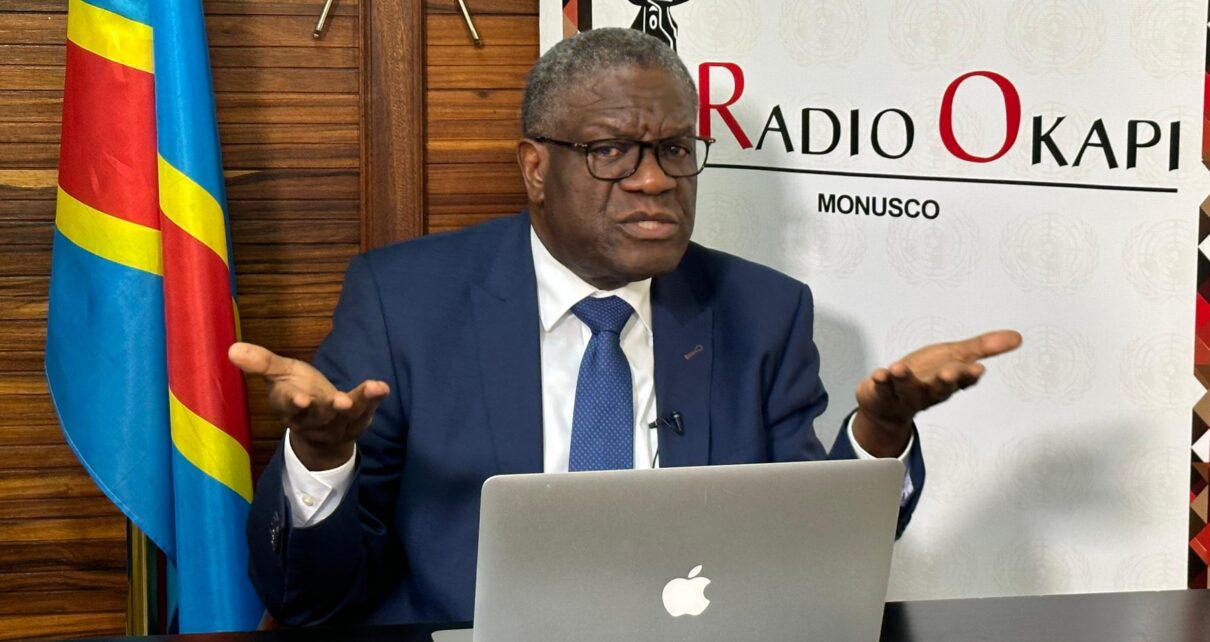
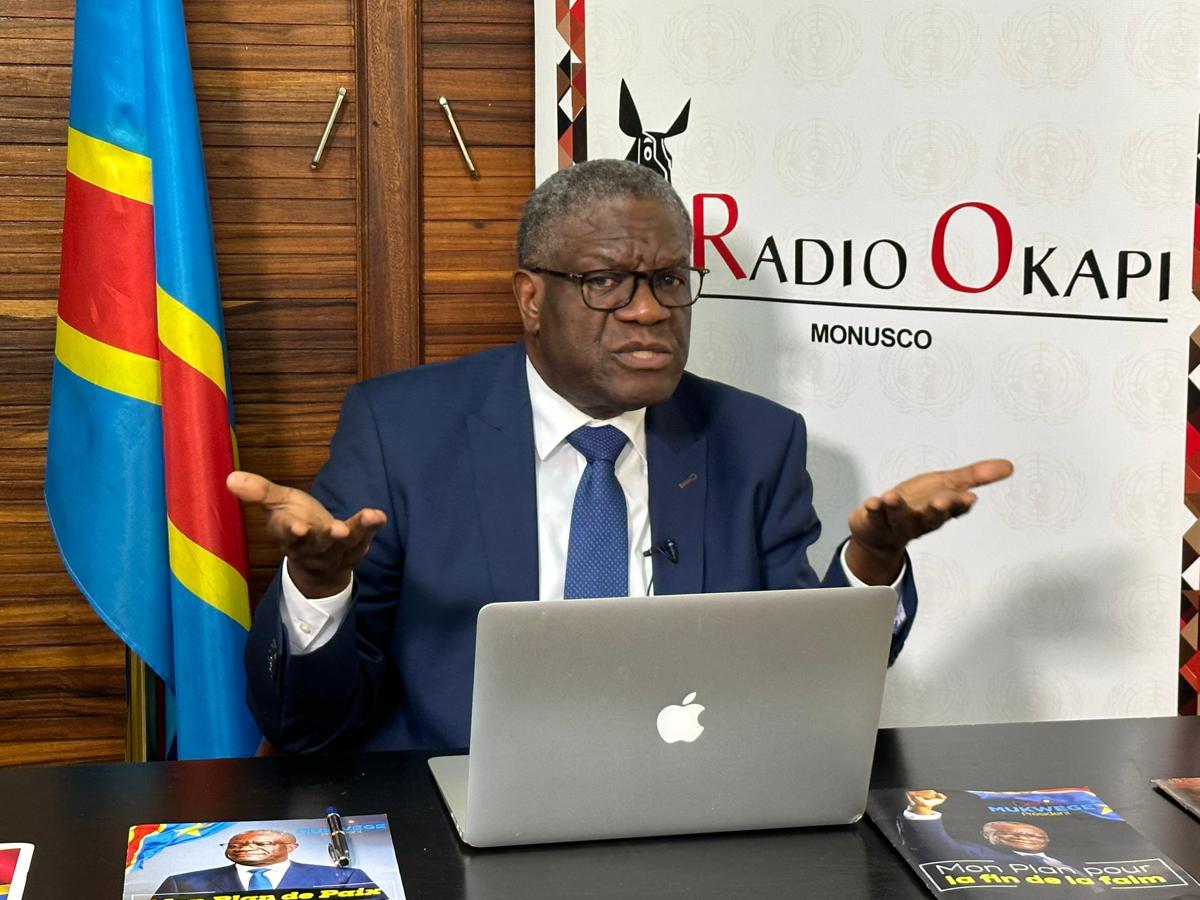
In a scathing open letter addressed to President Félix Tshisekedi on June 30, 2026, Nobel Peace Prize laureate Denis Mukwege delivered a damning indictment of the Democratic Republic of the Congo’s governance since 2019. The renowned physician and human rights advocate highlighted persistent security crises in the country’s eastern regions, criticized the government’s handling of martial law, questioned diplomatic strategies, and raised concerns over stalled security sector reforms and threats to national sovereignty.
Mukwege urged the head of state to prioritize national unity, uphold the Constitution, and place peace, justice, and civilian protection at the forefront of the nation’s agenda.
Rejecting corruption and impunity
In his strongly worded letter, Mukwege emphasized that there was nothing to celebrate on the anniversary of the Democratic Republic of the Congo’s independence. He painted a bleak picture of a nation grappling with deepening insecurity, widespread suffering, and looming threats to its territorial integrity.
The Nobel laureate scrutinized key decisions made since Tshisekedi assumed office in 2019. He condemned the management of martial law, the ineffective security policies in eastern provinces, and questionable diplomatic engagements with regional and global partners.
Mukwege also expressed frustration over the lack of progress in combating impunity. He noted that recommendations for transitional justice and the establishment of a tribunal to prosecute grave crimes in the Democratic Republic of the Congo had yet to materialize.
Opposition to constitutional reform
The 2023 presidential hopeful warned of serious risks to national sovereignty and called on the president to focus on restoring peace, safeguarding civilians, strengthening the rule of law, and improving governance.
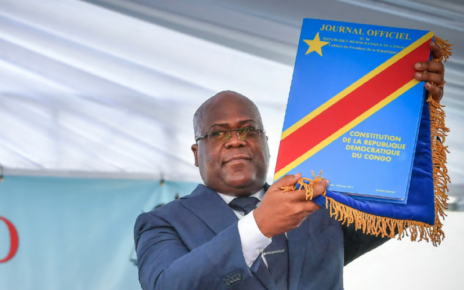
Mukwege cautioned against any moves to revise the Constitution and urged Tshisekedi to seize what he described as the final opportunity to steer the country toward a sustainable resolution of its crises.