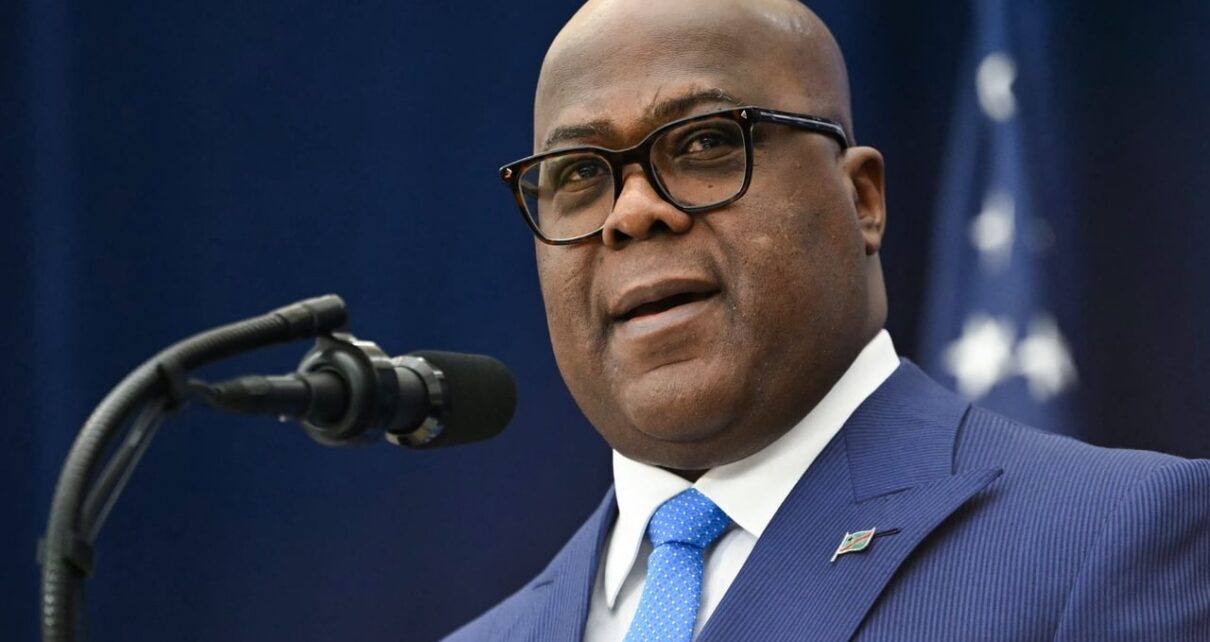
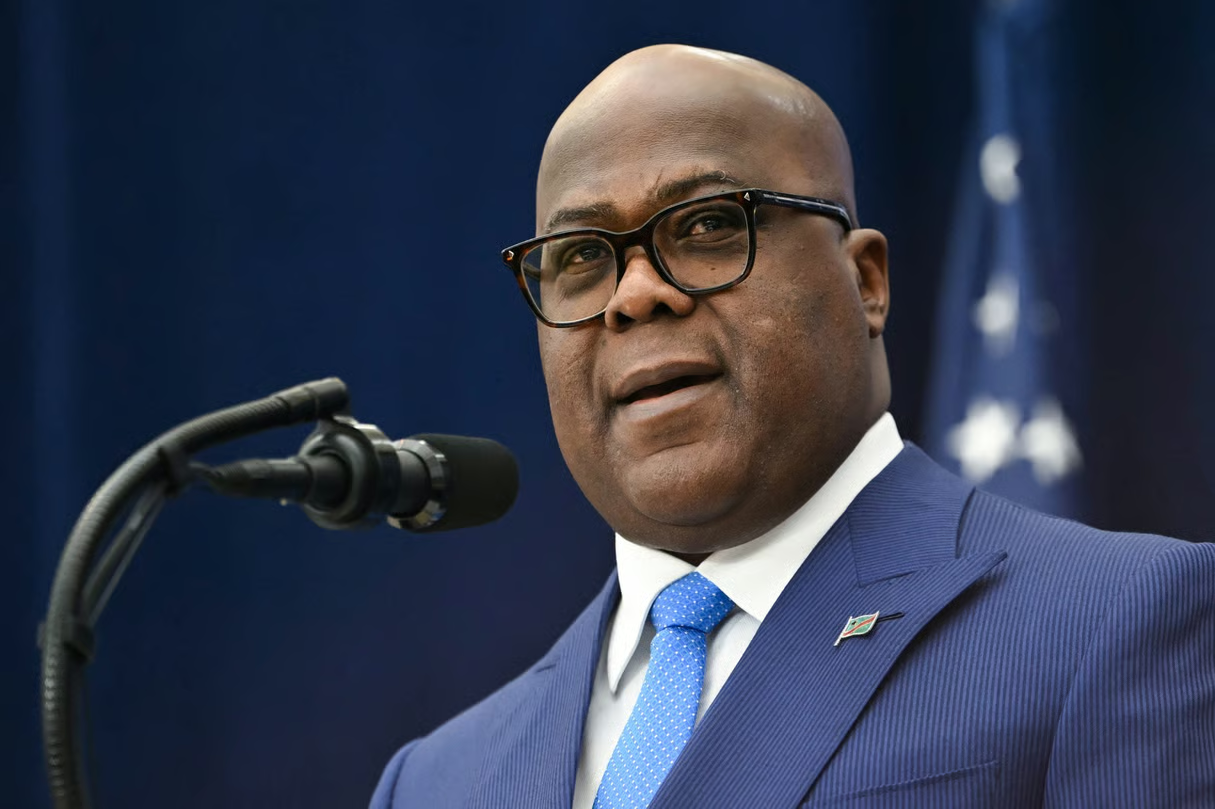
The Constitutional Court of the Democratic Republic of the Congo (DRC) has delivered a landmark ruling, greenlighting President Félix Tshisekedi’s eligibility for a third consecutive term in office. This decision follows intense legal and political debates surrounding the interpretation of constitutional term limits.
Constitutional court’s decision sparks reactions
The court’s ruling, issued after thorough deliberation, upholds the argument that Tshisekedi’s initial term, which began before the 2015 constitutional reforms, does not count toward the current two-term limit. This interpretation has drawn both support and criticism from political observers and civil society groups across the country.
Legal experts point out that the decision hinges on a technicality rather than a substantive change in the constitution. The 2015 reforms explicitly capped presidential terms at two, but the court’s majority opinion suggests that the transition period preceding these reforms created a unique scenario requiring separate consideration.
Political implications and public response
Tshisekedi’s potential third term bid has already ignited tensions in Kinshasa and beyond. Opposition leaders have condemned the ruling as a circumvention of democratic norms, while government supporters argue it ensures continuity in leadership during a critical phase of national development.
Public demonstrations have erupted in several cities, with protesters demanding transparency and adherence to constitutional principles. Security forces have been deployed to maintain order, underscoring the gravity of the situation.
International community weighs in
The decision has also drawn attention from regional and international stakeholders. Observers highlight concerns about democratic backsliding in a region already grappling with political instability. Calls for dialogue and respect for constitutional order have emerged from various diplomatic quarters.
As the DRC navigates this pivotal moment, the ruling has set the stage for a high-stakes political showdown in the upcoming electoral cycle. The coming months will reveal how this legal interpretation shapes the country’s democratic trajectory and public trust in its institutions.