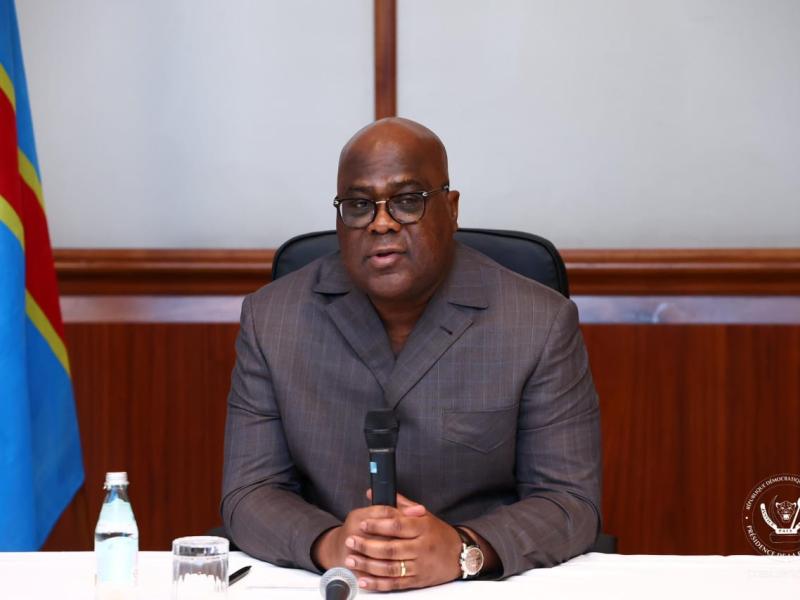
DRC president opens door to inclusive dialogue after religious leaders meeting
The President of the Democratic Republic of the Congo, Félix Tshisekedi, has committed to launching a nationwide inclusive dialogue process following a high-level meeting with religious leaders in Kinshasa on Friday, July 17, 2026.
During the gathering at the African Union headquarters in the capital, the Head of State reaffirmed his willingness to pursue a structured national dialogue—a proposal he had initially endorsed at the start of the year before revising his approach. The government is expected to publish a detailed roadmap outlining the framework and objectives of this initiative in the coming days.
Religious leaders advocate for national reconciliation
Representatives from major religious denominations, including Christian and Muslim communities, presented their recommendations during the meeting, emphasizing the need for a consensual and participatory process to address the country’s pressing challenges. The discussions reportedly focused on fostering social cohesion, governance reforms, and conflict resolution in a climate of heightened political and security tensions.
The President’s decision follows persistent calls from civil society and international partners for a structured dialogue to bridge deepening divides in the country. The move is seen as a strategic step to restore public trust and chart a path toward sustainable peace and stability.
Next steps: A roadmap for dialogue
While officials have not yet disclosed specific details, insiders indicate that the forthcoming roadmap will outline key priorities, including the composition of dialogue participants, thematic agendas, and timelines. The process is expected to involve representatives from political parties, civil society, and traditional authorities to ensure broad representation.
The announcement comes at a critical juncture as the DRC grapples with recurring security challenges in the eastern regions and persistent socio-economic difficulties. Observers will closely monitor the implementation of this initiative, which could redefine the country’s political landscape in the months ahead.