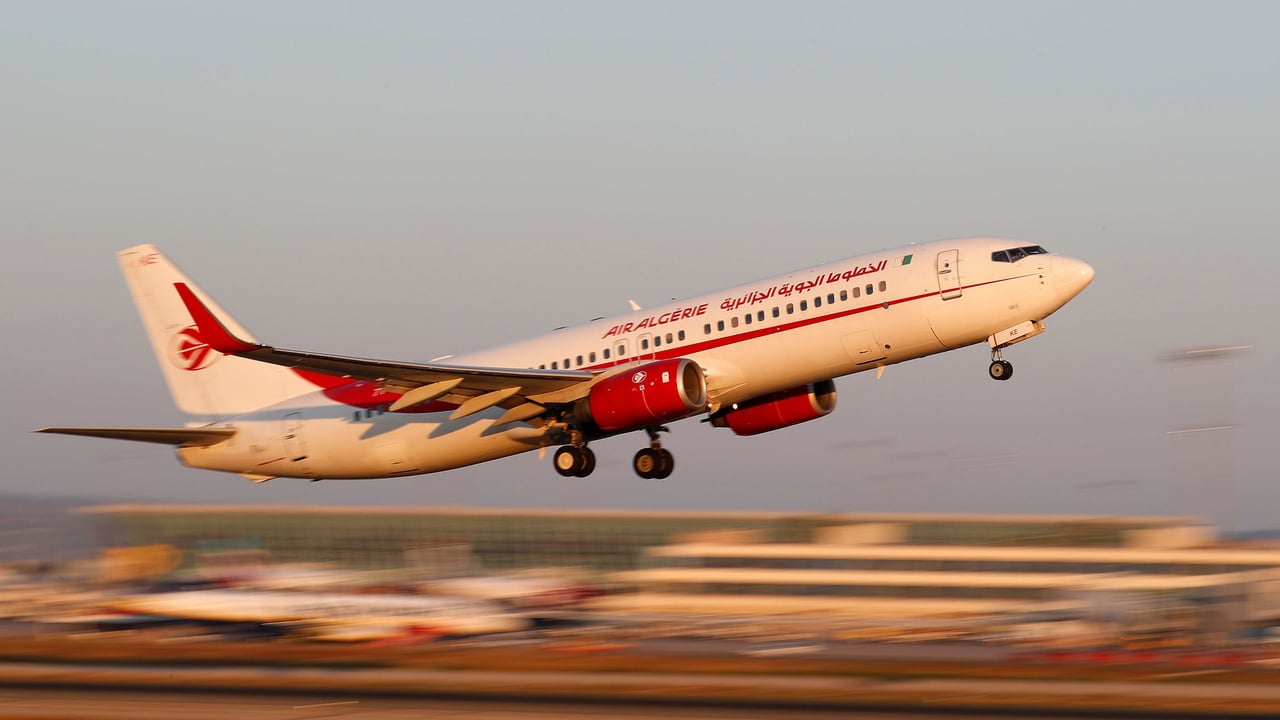

From diplomatic thaw to aviation revival
As Mali and Algeria strengthen their diplomatic ties, the skies over West Africa are buzzing with renewed activity. The easing of long-standing restrictions on air travel between Bamako and Algiers is opening doors for airlines like Air France, Brussels Airlines, and Air Algérie to expand their routes and boost passenger traffic in the region.
Revived routes and economic opportunities
The restoration of direct flights between Mali’s capital and Algeria’s largest city marks a significant shift in regional air connectivity. Previously limited by political tensions, these routes now promise to enhance trade, tourism, and business exchanges. For airlines operating in the Sahel, this development represents a strategic opportunity to capture a growing market of travelers connecting between Europe, North Africa, and West Africa.
Passenger demand surges
Travelers are already responding to the improved air links. Business professionals, students, and tourists are increasingly opting for direct flights over cumbersome overland journeys or multi-stop itineraries. The convenience of shorter travel times and reduced costs is driving demand, particularly for routes linking Bamako to Algiers, Paris, and Brussels.
Challenges and considerations
While the outlook is promising, airlines must navigate operational challenges. Infrastructure constraints at Bamako’s Senou International Airport and Algiers’ Houari Boumediene Airport could impact scheduling and capacity. Additionally, ensuring safety and security in the region remains a priority for carriers operating in the Sahel.
Future prospects for Sahelian aviation
The thaw in Mali-Algeria relations is more than a diplomatic milestone—it’s a catalyst for regional aviation growth. As more airlines introduce new services, travelers can expect greater choice and flexibility. The long-term benefits include stronger economic ties, increased tourism, and a more interconnected West Africa.
For airlines, this is a chance to solidify their presence in a dynamic and evolving market. The question now is how quickly carriers can adapt to capitalize on this momentum.