The appointment of Captain Elvire Toupé as aide-de-camp to Benin’s President Romuald Wadagni marks a milestone in the nation’s political landscape. While her nomination has been widely applauded, it also underscores the persistent underrepresentation of women in elective and leadership roles across the country.
From military distinction to political inspiration
Captain Toupé’s appointment followed her swearing-in ceremony as President Wadagni’s aide-de-camp during the inaugural Council of Ministers meeting on May 28. Prior to this role, she served as an officer in the Republican Guard. Her historic appointment makes her the first Beninese woman to hold this position since the country’s independence on August 1, 1960.
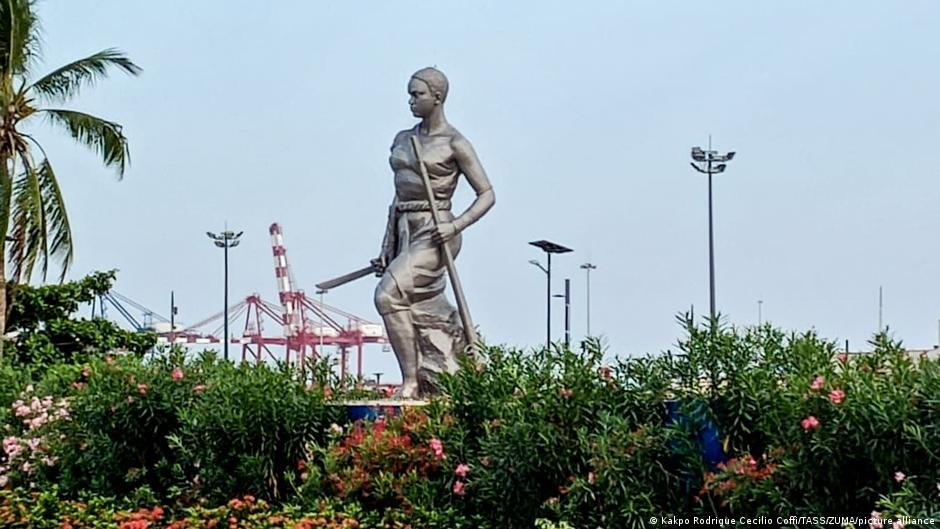
Regis Hounkpé, a geopolitics and political governance analyst and director of InterGlobe Conseils, praised the significance of this milestone. “It is a powerful statement that breaks decades of tradition. Young Beninese women now have a new role model—a symbol of courage and leadership in a field long dominated by men,” he noted. “The Amazons of Dahomey have been reclaimed as a source of pride, not just in imagination but in tangible influence within communities and decision-making circles.”
Echoes of the Agodjié legacy
Journalist Wuldath Moussa Mama drew a direct connection between Captain Toupé’s appointment and the legacy of the Agodjié—the elite all-female military regiment of the Dahomey Kingdom, which European colonizers famously labeled the “Amazons.”
“This appointment revives the historical role of women as defenders and leaders alongside Dahomey’s rulers. The question remains: Is this an isolated gesture or the beginning of a broader push to empower women in public life? Perhaps it’s a door opening wider, encouraging more women to claim their rightful place in shaping the nation’s future,” she observed.
According to Hounkpé, the Amazons symbolize resilience and tenacity—qualities that resonate deeply in Beninese society today. “Their legacy reminds us that women have always been at the forefront of national progress—whether in war, governance, or community leadership. Captain Toupé’s role is a modern echo of that unbroken tradition.”
Uneven progress in political representation
Despite these advances, women remain significantly underrepresented in Benin’s political institutions. The first cabinet under President Wadagni includes six women across key portfolios such as Foreign Affairs, Higher Education, Family and Social Action, Domestic Trade, Employment and Vocational Training, and Communication and Media.
In comparison, the previous administration under Patrice Talon had only five women in a 23-member cabinet. Wuldath Moussa Mama emphasized the need for deeper structural change. “Symbolic positions, while important, are not enough. We must examine how women gain access within political parties, how they are trained for leadership, and the barriers they still face.”
The 10th legislature, seated in February 2026, includes 28 female deputies—all from the ruling party—out of a total of 109 seats, representing 25.7% of the chamber. This figure matches the previous term, reflecting stagnation rather than growth. The electoral code mandates at least one woman per constituency, resulting in 24 elected through this quota and four more securing seats independently.
“This shows progress, but it’s not enough,” Moussa Mama stated. “The real work lies in transforming party structures, strengthening women’s political participation from the grassroots, and ensuring that leadership roles are not limited to quotas but reflect genuine influence.”
While Captain Toupé’s appointment is celebrated as a step forward, it also highlights the broader challenge of achieving gender parity in Benin’s political sphere—a journey still in its early stages.