The Prime Minister of France, Sébastien Lecornu, arrived in Rabat on Wednesday, July 15, leading a delegation of more than a dozen ministers. This visit, expected to yield several agreements, comes at a time of heightened tensions surrounding human rights, with Moroccan authorities recently taking legal action against a journalist and an artist.
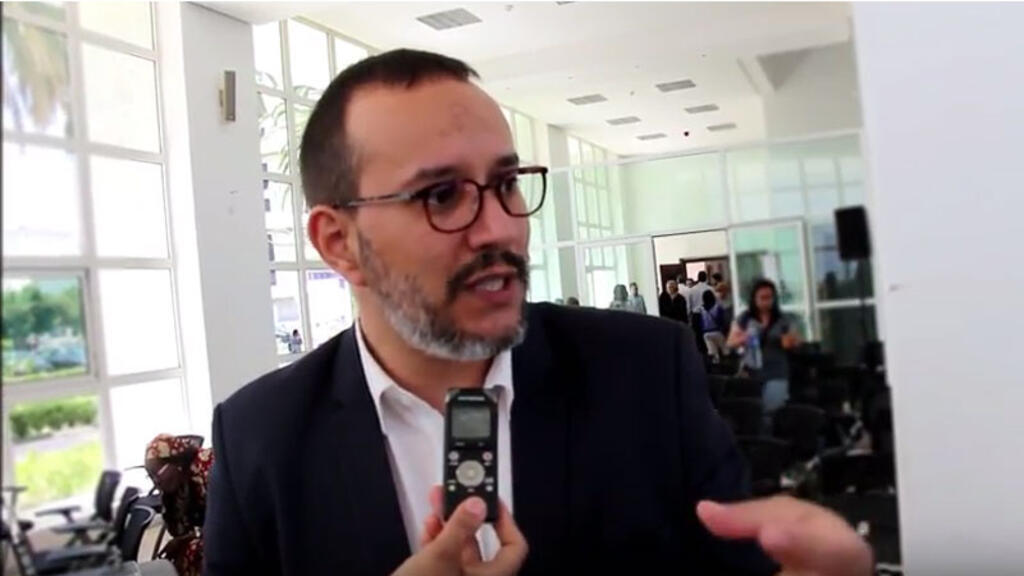
Mehdi Alioua, a sociologist at the International University of Rabat and holder of the Chair of Migration, Mobilities and Cosmopolitanism, shares insights on these evolving relations between Paris and Rabat, particularly in the context of broader African dynamics.
Morocco’s role in bridging France and the Sahel
There is a subtle, yet undeniable shift in influence between France and Morocco in sub-Saharan Africa. As France faces challenges in maintaining its foothold in the Sahel, Morocco has steadily expanded its presence through investments and diplomatic initiatives. The question arises: has Morocco become the unexpected contender France overlooked in its traditional spheres of influence?
Mehdi Alioua: It’s a nuanced situation. On one hand, Morocco’s investments are often structured as joint ventures with French companies or aligned with French diplomacy, reinforcing cooperation between the North and South. On the other hand, Morocco has also pursued independent investments while actively pursuing an African policy championed by the Moroccan monarchy. This dual approach strengthens Morocco’s position in the region.
Can Morocco improve strained Sahel-France relations?
The deteriorating ties between France and the countries of the Alliance of Sahel States (AES) present an opportunity for Morocco to step in. While the political climate has soured due to populist anti-France sentiment in some Sahelian nations, Morocco’s historical and cultural ties with the region remain strong. These relationships, dating back centuries, provide Rabat with a unique diplomatic advantage.
Mehdi Alioua: The tensions are primarily political rather than societal. For example, in countries like Mali, the anti-France sentiment has been fueled by new regimes leveraging populist rhetoric. However, Morocco’s diplomacy is not built on such narratives. Our historical ties with the Sahel are deep-rooted, tracing back to pre-Islamic times. The Almoravid dynasty, from which the French term marabout originates, ruled an empire spanning from Spain to present-day Guinea and Mali. These enduring connections enable Morocco to rekindle relationships effectively.
Human rights concerns and Morocco’s diplomatic balancing act
Recent legal actions against critical voices in Morocco, including Franco-Moroccan journalist Ali Lmrabet and rapper Mehdi Black Wind, have raised concerns about the country’s commitment to human rights. How does this impact Morocco’s image as a regional player?
Mehdi Alioua: Any imprisonment of journalists or artists is concerning. The Moroccan justice system operates independently, and those detained have the right to defend themselves. Ali Lmrabet has been released but remains under investigation, while the case involving Mehdi Black Wind is still unclear. Moroccan civil society and legal associations are actively mobilizing to support these individuals. While Morocco has made significant strides in human rights, occasional setbacks reflect lingering institutional habits.
Morocco’s appeal in sub-Saharan Africa: A shifting dynamic
Does Morocco hold the same allure for sub-Saharan Africans as France once did, or does it still fall short?
Mehdi Alioua: Morocco is gaining appeal, but it still lags behind France in terms of attraction. The Moroccan government’s efforts to boost its profile, such as hosting the African Nations Cup, have faced criticism. While the investments in infrastructure are commendable, they have sparked debate domestically, with some questioning the prioritization of stadiums over addressing endemic poverty. Internationally, even a single incident, such as the recent dispute between Morocco and Senegal during the tournament, can shift public opinion against the country. Additionally, overconfident assertions about Morocco’s superiority in football undermine its diplomatic efforts. The reality is that Morocco, as a lower-middle-income country, cannot match France’s economic and cultural pull—yet.
Morocco’s growing influence in the Sahel is undeniable, but its journey toward becoming a dominant force in the region is still unfolding. Balancing diplomacy, investments, and domestic expectations remains a complex challenge for Rabat as it navigates its role in Africa.