Morocco and France launch ambitious agenda to redefine bilateral relations in Rabat
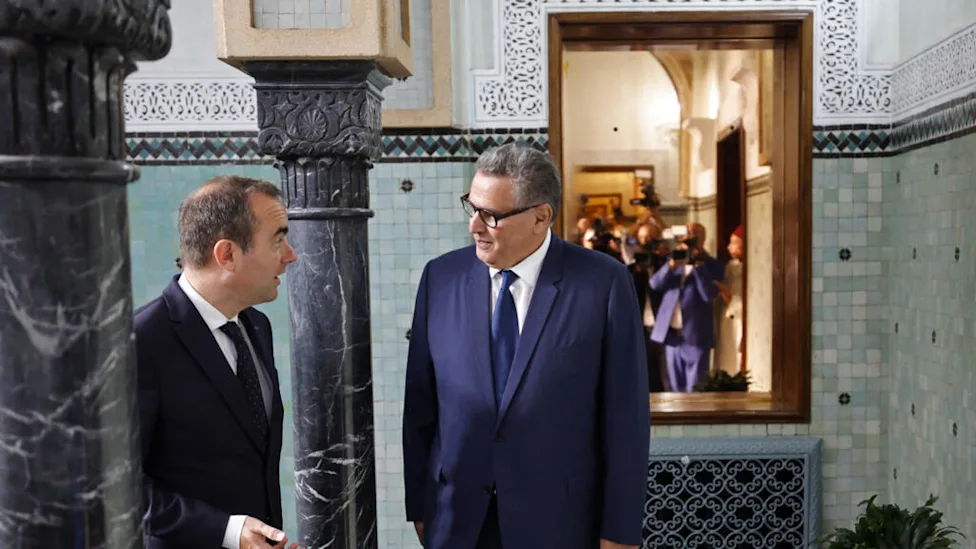
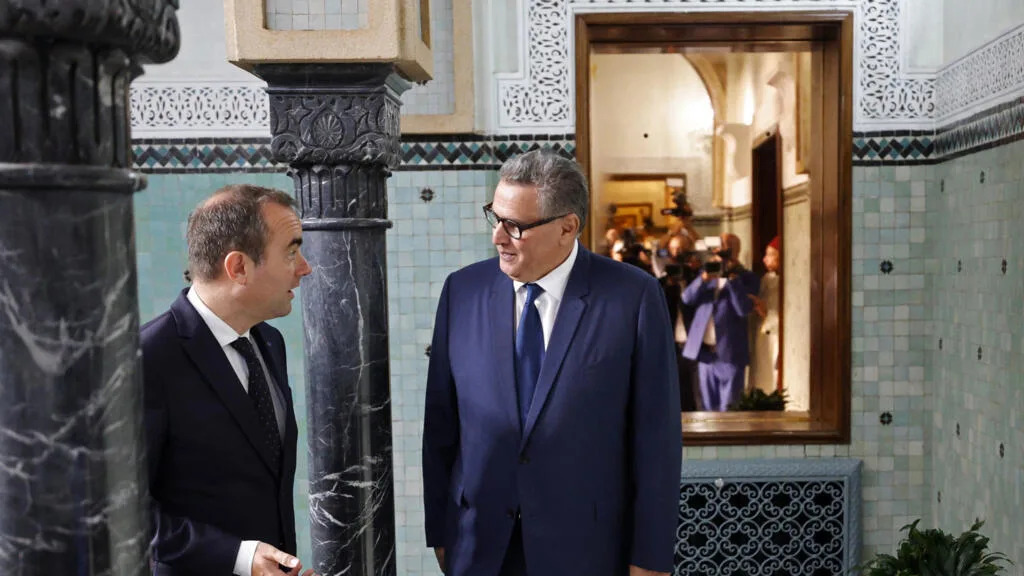
Diplomatic observers in Rabat witnessed a pivotal moment this week as Moroccan and French officials gathered for a high-level meeting aimed at revitalizing and expanding their bilateral cooperation. The discussions, described as a turning point by both sides, signal a deliberate effort to move beyond past tensions and build a more robust partnership.
Relations between Morocco and France have fluctuated over the decades. While cooperation frameworks were established as early as 1996 under King Hassan II, diplomatic strains in recent years had slowed progress. The post-pandemic period and renewed political will have now paved the way for a fresh chapter in their alliance.
A shared vision for the future
Moroccan Prime Minister Aziz Akhannouch emphasized the historic significance of the strengthened partnership forged during President Macron’s 2024 state visit. He described it as a defining moment that sets a clear and ambitious direction for Morocco-France relations moving forward.
French Prime Minister Sébastien Lecornu echoed this sentiment, calling the current phase a crucial milestone. He highlighted the shared determination to elevate bilateral cooperation to new heights, addressing both economic and security concerns with renewed vigor.
Security and economic cooperation take center stage
During bilateral talks ahead of the plenary session, both leaders focused on strengthening security collaboration and counterterrorism efforts. The discussions also touched on regional stability and shared challenges in North Africa.
A major highlight of the summit was the announcement of a potential royal visit to France. This upcoming visit is expected to culminate in the signing of a new bilateral treaty, designed to formally renew and deepen the partnership between Paris and Rabat.
A dozen agreements signed to anchor cooperation
The plenary session concluded with the signing of over a dozen cooperation instruments. These included conventions, memoranda of understanding, and joint declarations covering a wide range of sectors such as trade, education, energy, and cultural exchange. Each agreement is viewed as a concrete step toward realizing the ambitious goals set during the summit.
As the dust settles on this high-stakes meeting, both nations appear committed to turning the page on past disagreements and embracing a future defined by collaboration, trust, and mutual growth.