Gabon’s 2027 budget: balancing growth and social priorities
Libreville — The Gabonese government has launched a pivotal phase in its economic planning with the initiation of budgetary conferences for 2027. This process will shape the country’s trajectory for years to come.
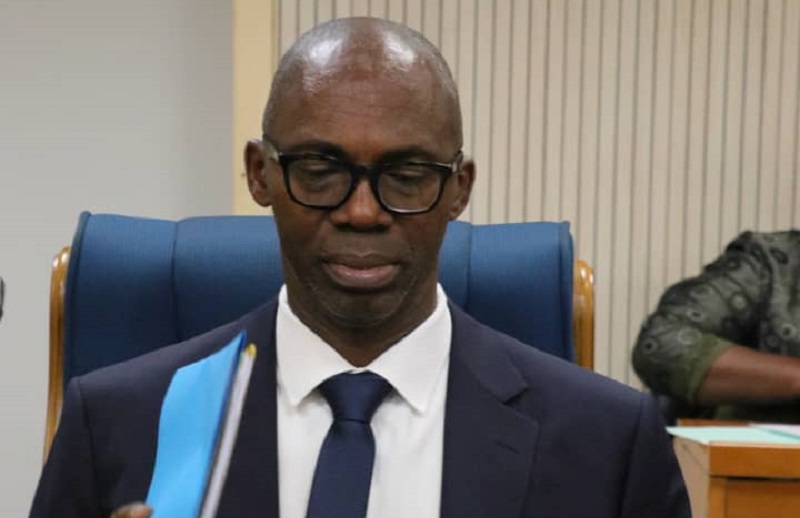
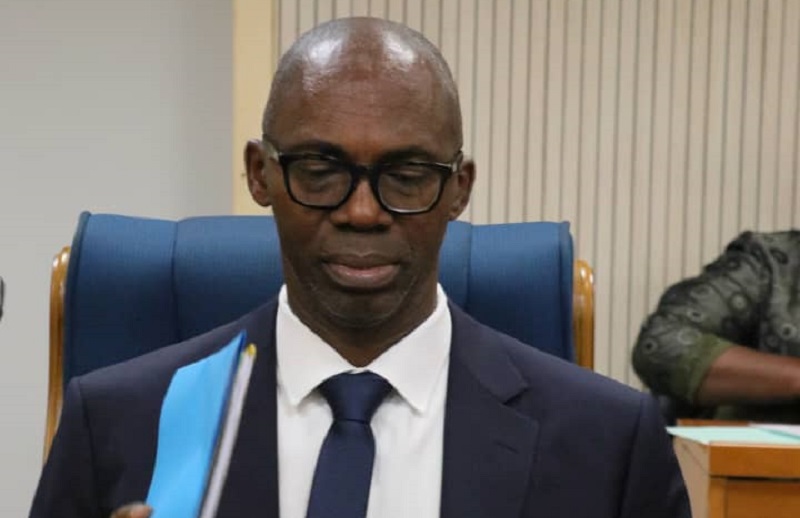
The budgetary discussions, led by Vice-President of the Government Hermann Immongault, are far more than routine administrative procedures. They mark the first major political step toward finalizing the 2027 Finance Law, which will embody the nation’s economic, social, and institutional ambitions.
With global economic uncertainties, inflationary pressures, and growing public demands for affordable living and quality public services, the stakes could not be higher. The Minister of Economy, Finance, Debt, and State Holdings—Thierry Minko—has outlined a detailed roadmap for these deliberations, bringing together all government departments to ensure a cohesive and impactful budget.
Prioritizing household purchasing power
The government has made its priorities clear: safeguarding household purchasing power and enhancing public welfare are non-negotiable objectives for the 2027 budget.
In an era of volatile global markets, fluctuating commodity prices, and rising living costs, this commitment reflects a deliberate policy choice. The state will focus its resources on sectors with immediate, tangible benefits for citizens—healthcare, education, infrastructure, productive investments, food security, and social policies.
According to Minko, the budgetary process will unfold in two key phases. First, each government ministry will present its priorities and financial requirements. Then, a technical review will assess feasibility, alignment with national goals, and fiscal sustainability to prevent past budgetary imbalances.
Aligning the budget with national development goals
A defining feature of this year’s budget process is the central role of Gabon’s National Growth and Development Plan (PNGCD). Finalized and approved by authorities, the PNGCD will serve as the guiding framework for all public spending decisions.
“The 2027 budget will be anchored in the PNGCD,” Minko affirmed. This marks a significant shift in Gabon’s economic governance, moving away from short-term fiscal exercises toward long-term strategic alignment.
Under this new approach, every infrastructure project, investment, and policy initiative must demonstrate its direct contribution to the objectives outlined in the national development strategy. The goal is to enhance the economic and social impact of public spending while ensuring greater coherence in government action.
Navigating IMF negotiations
The coming months will also see renewed discussions with the International Monetary Fund (IMF). On this front, Gabon has set clear boundaries: any future cooperation program must not compromise social progress or undermine priority investments for national development.
The government aims to strike a balance between fiscal discipline and social justice, preserving the country’s financial credibility while maintaining the investment capacity needed for economic transformation. Before the 2027 Finance Law is adopted, the draft budget must undergo review by the Economic, Social, and Environmental Council, the Audit Court, and the Council of State.
For Hermann Immongault, meticulous preparation is essential to avoid past budgetary pitfalls and ensure every ministry presents a realistic, coherent, and nationally aligned budget. After all, each budgetary line represents a societal choice.
The budget is more than a financial document—it is the tangible expression of a nation’s priorities, its vision for development, and the social contract it upholds with its people.
The budgetary conferences that began this month are not just the start of an administrative process. They are the foundation of Gabon’s future in 2027.