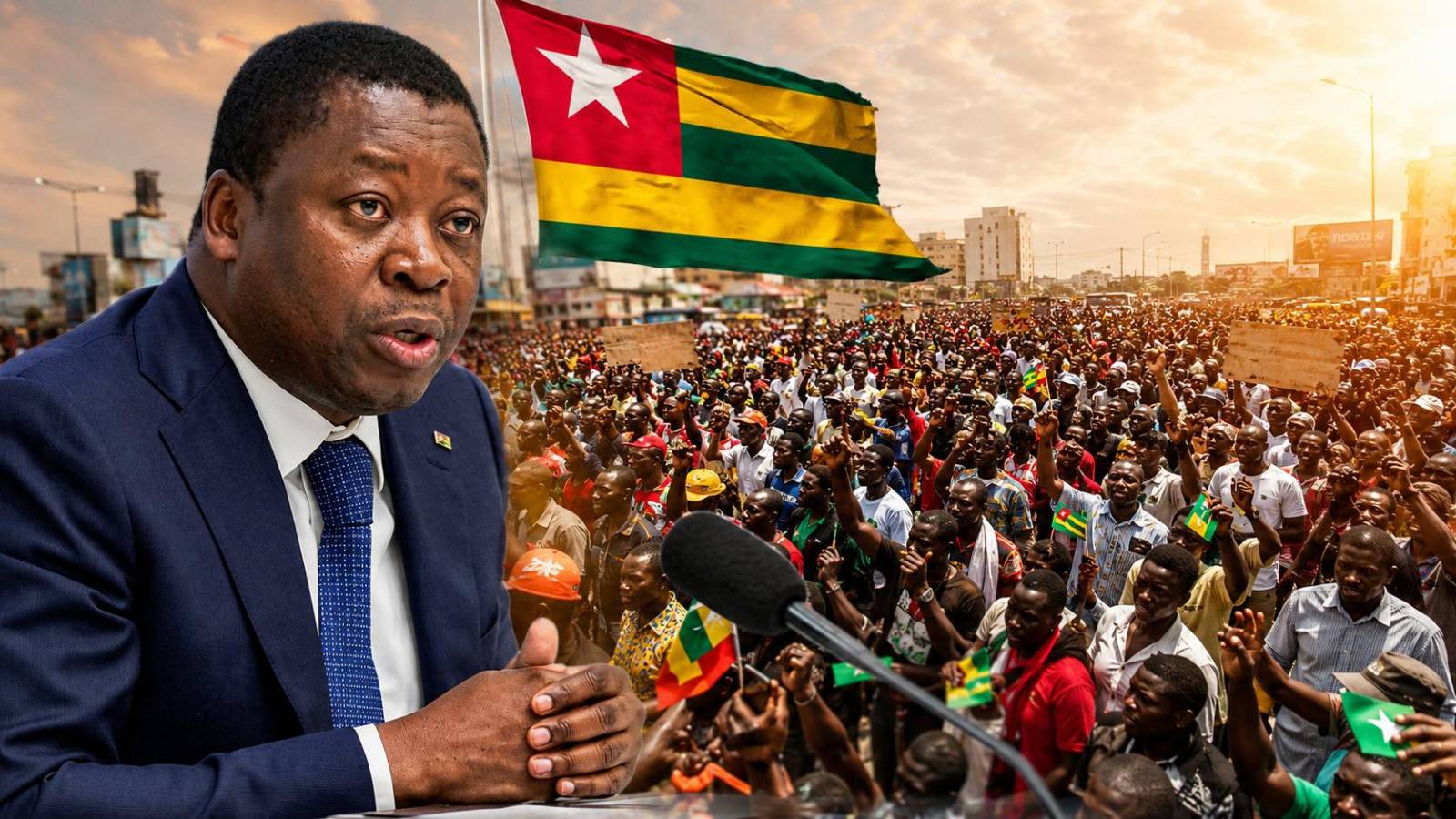
The dilemma confronting countless young Togolese has reached an unbearable intensity: abandon their homeland in pursuit of dignity, or remain trapped in a landscape of shattered ambitions. This harsh reality has intensified scrutiny of Faure Gnassingbé’s lengthy tenure, with growing numbers blaming his administration for fostering an environment where hope is systematically eroded.
From hope to despair: the erosion of opportunity
Where previous generations once clung to the belief that hard work could secure a future in Togo, today’s youth increasingly view emigration as the only viable path forward. This shift reflects not merely economic disillusionment but a profound disconnect between the state and its citizens—a crisis of trust in institutions tasked with nurturing prosperity.
Empty promises and a hollow economy
Official narratives touting economic modernization and job creation policies conceal a far grimmer reality. While government data presents an optimistic unemployment rate, the true picture is far bleaker: over 70% of young workers survive in precarious informal employment or underemployment.
Each year, universities in Lomé and Kara produce tens of thousands of graduates, yet initiatives such as the National Employment Agency (ANPE) and the National Youth Employment Coalition (CNEJ) offer little relief. Without viable career prospects, even highly educated young professionals resort to survival strategies—motorbike taxis, petty trade, or other informal ventures—rendering their academic investments meaningless.
A drain on human capital
This systemic failure represents a catastrophic loss of potential. Families invest years of sacrifice to educate their children, only to see them relegated to positions far below their qualifications. When engineers become street vendors or law graduates struggle in unstable informal roles, the consequences extend beyond individual lives: the nation loses competitiveness, innovation capacity, and long-term economic resilience.
A labor market skewed by patronage
The perception of a system rigged in favor of political connections—commonly termed le piston—has deepened social resentment. Access to financing, entrepreneurship opportunities, and even public contracts remains largely unattainable for those lacking political ties. Despite initiatives like the Youth Economic Initiative Fund (FAIEJ), securing loans without substantial collateral or influence is nearly impossible. Wealth and opportunity remain concentrated among a narrow elite aligned with the ruling UNIR party, leaving countless qualified young Togolese with no pathway to advancement.
The private sector, too, faces daunting challenges. Administrative hurdles, credit scarcity, sluggish consumer demand, and policy uncertainty deter investment and job creation. Without a fundamental shift in economic governance, the current trajectory offers little prospect of meaningful change.
The exodus: survival beyond borders
With domestic prospects vanishing, emigration has transitioned from ambition to necessity. The scale of this outflow manifests in two alarming trends:
- Diplomatic desperation: Daily queues form outside embassies in Lomé—particularly for France, Canada, and Gulf nations—as young people seek visas to escape.
- Brain drain: Hospitals, tech firms, and research institutions are depleted by the exodus of doctors, engineers, IT specialists, teachers, and entrepreneurs, all seeking environments where their skills are valued and rewarded.
This hemorrhage of talent not only weakens Togo’s institutional capacity but also transfers the returns on its educational investments to foreign economies. The paradox is stark: while families and the state finance education, the benefits often accrue elsewhere, leaving the nation to grapple with a growing skills deficit.
Political stagnation: the final nail in the coffin
The 2024 constitutional reform, which transformed the political system into a parliamentary regime, has been widely interpreted as a mechanism to prolong Gnassingbé’s influence under a new title—President of the Council of Ministers. For many young Togolese, this move symbolizes the definitive closure of democratic renewal. Without credible prospects for generational change, political reform, or institutional renewal, the incentive to engage in civic life evaporates. Engagement in parties, associations, or public initiatives declines as youth conclude that their voices hold no weight in shaping the nation’s future.
A nation at risk of losing its future
Critics argue that two decades of governance under Gnassingbé have failed to deliver an inclusive economic model. Instead, wealth and opportunity remain concentrated among a privileged few, while the majority confront either persistent poverty or the stark choice of exile. Historical evidence is clear: no nation thrives when its most dynamic, educated, and ambitious citizens seek survival abroad. Sustainable development demands a reversal of this trend—one that prioritizes job creation, meritocracy, transparency, and democratic renewal.
The question facing Togo is existential: how can a country progress when its most vital resource—its youth—views migration as the sole path to a dignified life? Without decisive action to address unemployment, governance failures, economic stagnation, and democratic deficits, the nation risks not only losing its brightest minds but also its capacity to build a prosperous and inclusive future.