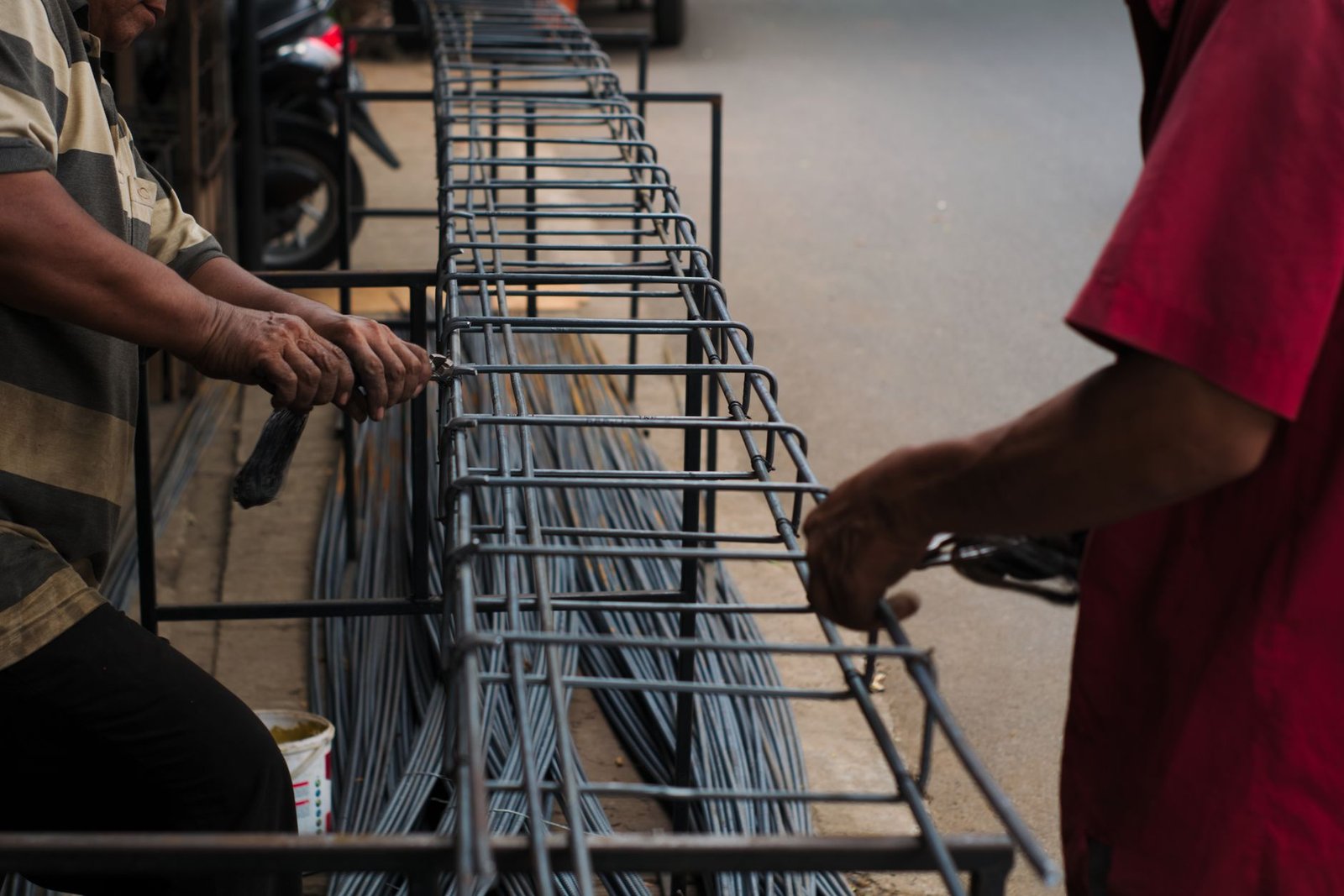
The Gabonese industrial landscape is on the verge of a major transformation with the imminent launch of a local rebar production facility. On July 1st in Nkok, the Minister of Industry and Local Transformation, Lubin Ntoutoume, inaugurated the construction of Prometal Gabon, a joint venture between the Gabonese government and the Pometal group. With a 38 billion FCFA investment, the project is set to unfold over two years within the Special Investment Zone (ZIS) of Nkok, designed to attract processing industries. Once operational, the plant aims to produce 60,000 tons of rebar annually.
This initiative aligns with Libreville’s broader strategy to reduce reliance on imported steel products. Currently, a substantial portion of Gabon’s steel demand is met by foreign suppliers, despite the country’s untapped mineral wealth. By fostering domestic production, authorities aim to curb foreign exchange outflows and strengthen a manufacturing sector historically focused on raw material exports.
Nkok: the heart of Gabon’s local transformation drive
The Nkok ZIS, operational for over a decade, stands as a testament to Gabon’s diversification efforts. This free zone, supported by preferential tax and customs regimes, already hosts operators in wood processing, light metallurgy, and logistics. The addition of a rebar-focused steel plant bolsters an emerging ecosystem, particularly in construction and public works, where integrated value chains are gradually taking shape.
The strategic location of Nkok plays a pivotal role in the project’s feasibility. The site is connected to the Transgabonese railway network and the Port of Owendo, critical infrastructure for handling heavy industrial outputs. For Prometal Gabon, logistics represent a major cost factor—producing competitively priced rebar hinges on securing reliable supply chains and distribution networks to major urban centers like Libreville, Port-Gentil, and Franceville.
1,350 jobs and ripple effects on the local economy
The social impact of the project is significant, with 1,350 direct and indirect jobs expected. This comes at a crucial time for Gabon, where youth unemployment remains a pressing concern. Beyond the plant’s workforce, the initiative is set to stimulate a network of local businesses, including construction subcontractors during the build phase, transporters, maintenance providers, and technical service suppliers once production commences.
However, the promise of skilled employment raises questions about Gabon’s vocational training landscape. The steel industry demands specialized expertise in metallurgy, plant operations, and industrial maintenance—skills that are scarcely covered in the country’s technical education programs. Prometal Gabon will likely need to blend local recruitment with knowledge transfer, a balance closely monitored by authorities within the framework of public-private partnerships guiding the project’s implementation.
A bold step toward regional industrial leadership
With an annual capacity of 60,000 tons, Prometal Gabon’s output will significantly exceed Gabon’s domestic demand, which is driven by infrastructure projects and urban housing initiatives. This surplus positions the plant to tap into regional markets, particularly neighboring Equatorial Guinea, Republic of the Congo, and southern Cameroon, where construction material needs remain high and competition is fragmented.
This regional ambition coincides with a challenging context for the Economic and Monetary Community of Central Africa (CEMAC), which has struggled to nurture integrated industrial champions. By establishing a steel plant within its borders, Gabon seeks to capture added value that has long been siphoned off by Asian and European importers. The 24-month timeline for commissioning the plant will serve as a critical test for the Nkok ecosystem, which has faced criticism for project delays in the past.
The project’s success will also hinge on macroeconomic stability and the efficiency of Prometal Gabon’s collaboration with the state. Regional precedents underscore that steel ventures require robust governance, long-term energy pricing visibility, and streamlined land allocation processes. The groundbreaking ceremony, led by Minister Lubin Ntoutoume, marked a pivotal moment in the project’s journey toward becoming a cornerstone of Gabon’s industrial future.