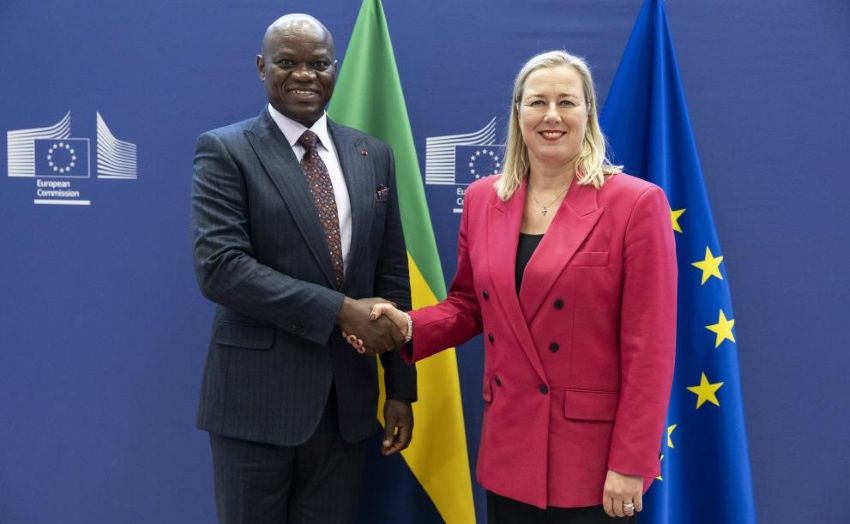
Gabon terminates EU fishing partnership to drive economic independence
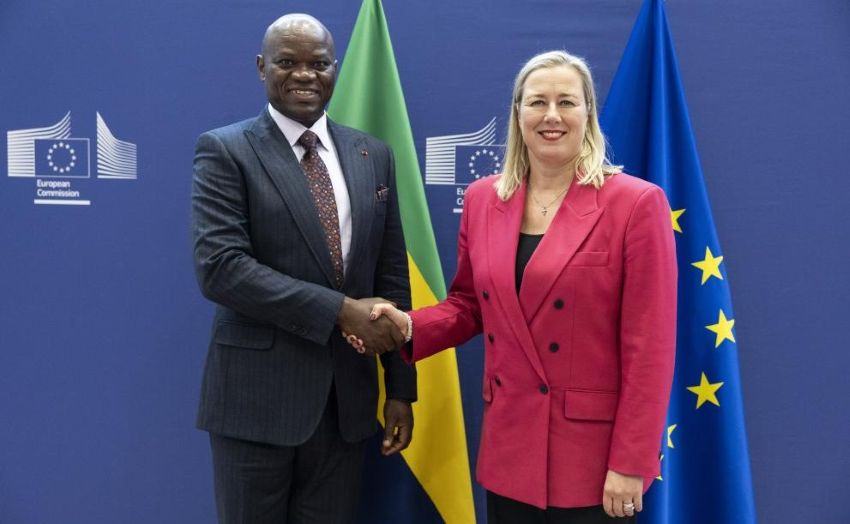
Libreville, July 1, 2026 — Gabon’s decision to terminate its long-standing fishing agreement with the European Union marks a decisive shift toward economic sovereignty and resource control. After nineteen years of collaboration in the fisheries sector, the government has opted not to renew the partnership agreement governing access to the country’s marine resources.
This move reflects a fundamental transformation in Gabon’s economic strategy. Far from being a mere contractual termination, the decision underscores a deliberate effort to reposition national wealth as the foundation of sustainable development. By ending an arrangement that has been in place since 2007, authorities are signaling a break from a model historically reliant on raw material exports with limited local processing.
The decision aligns with the economic vision championed by President Brice Clotaire Oligui Nguema, who has made the enhancement of domestic resource processing a cornerstone of Gabon’s development trajectory. The goal is clear: reduce dependence on foreign exploitation of national assets while fostering job creation and industrial growth within Gabon’s borders.
Reassessing an imbalanced partnership model
For nearly two decades, the EU-Gabon fishing accord allowed European fleets to operate in Gabonese waters, ostensibly as a cooperation framework. Yet successive evaluations have highlighted its shortcomings. Despite the exploitation of the country’s rich marine resources, tangible economic benefits for Gabon remained disproportionately low. Most catches were exported raw, with minimal processing or value addition occurring domestically.
This imbalance stifled the growth of a local industry capable of generating employment, nurturing specialized skills, and contributing meaningfully to the national economy. As African nations increasingly seek to assert control over their natural resources, Gabon’s decision reflects a broader regional trend toward rebalancing economic partnerships to ensure fairer distribution of benefits.
Transforming fisheries into an economic engine
With the agreement now concluded, Gabon is positioning its fisheries sector as a catalyst for economic diversification. The strategy rests on three key pillars: developing local processing facilities to maximize value capture before export, enhancing domestic food security through improved supply chains, and fostering a national industrial base capable of competing in strategic fishing value chains.
This transition could unlock investment opportunities in cold chain logistics, maritime transport, seafood processing, and agri-food infrastructure. Over time, the government envisions the emergence of a robust “blue economy” — one that generates jobs, stimulates innovation, and ensures long-term prosperity for Gabonese communities.
With over 800 kilometers of coastline and marine resources ranked among the richest in Central Africa, Gabon possesses the natural assets needed to build a competitive and sustainable fisheries industry. The challenge now lies in translating policy ambitions into concrete results.
Building economic sovereignty through resource mastery
Ending the EU fishing partnership transcends the fisheries sector — it symbolizes a new development paradigm centered on national mastery of strategic resources. Success will depend on Gabon’s ability to attract investment, modernize infrastructure, train a skilled workforce, and implement transparent governance in the sector.
By prioritizing local transformation over raw material export, Gabon is sending a powerful message: the true wealth of a nation lies not in what it extracts, but in its capacity to process, innovate, and retain value within its own economy. This decision signals a new chapter in Gabon’s economic journey — one where sovereignty, sustainability, and shared prosperity take precedence over extractive dependency.

Related Articles