Gabon – BAD : Le nouveau pacte des projets prioritaires
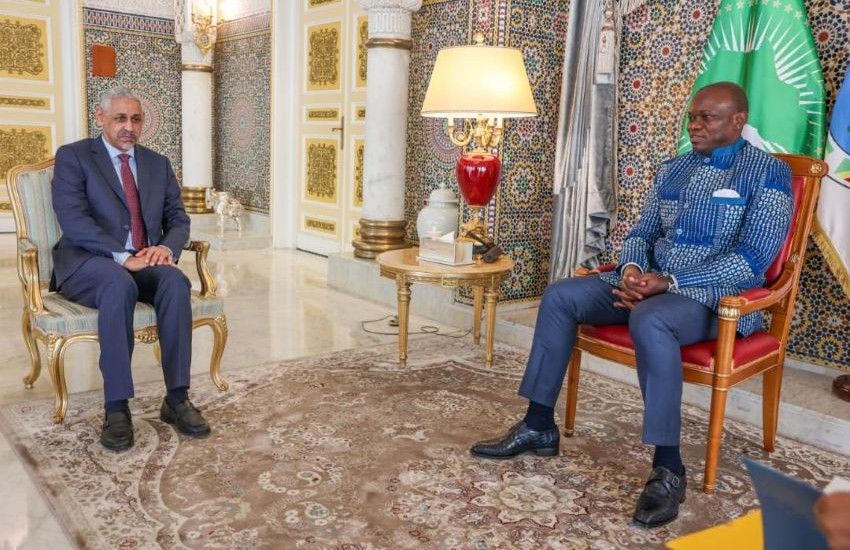
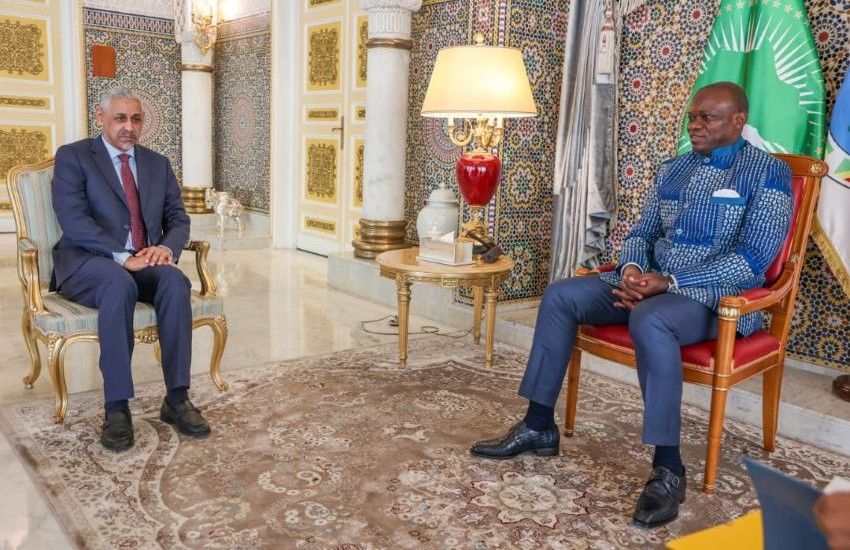
A significant shift is underway in the partnership between Gabon and the African Development Bank (AfDB). The new AfDB President, Sidi Ould Tah, met with President Brice Clotaire Oligui Nguema in Libreville on Friday, August 14, 2026, initiating discussions that moved beyond a mere review of the institution’s existing portfolio in Gabon. This high-level engagement signals a renewed commitment to a more impactful collaboration.
Central to these talks was a critical concern for Gabonese authorities: ensuring that external financing translates into tangible, immediate improvements in the daily lives of the population.
Accompanied by Nouredine Kane Dia, the AfDB’s Resident Representative in Gabon, President Sidi Ould Tah gained direct insight into the Head of State’s urgent development priorities. Two key areas emerged distinctly: enhancing access to clean water and reliable electricity, and fundamentally transforming the agricultural sector. These two vital sectors directly influence household well-being and are crucial for Gabon’s economic competitiveness.
Water and electricity: a national imperative
Elevating energy and hydraulic supply to the top of the national agenda is a deliberate and crucial decision. For Gabon, improving the provision of water and electricity is not only a development imperative but also a matter of public confidence. The nation must significantly bolster its production and distribution capacities to meet escalating demand and alleviate the chronic disruptions that frequently impact its citizens.
The African Development Bank is poised to support this strategic direction through the funding of critical infrastructure projects. Discussions specifically focused on strengthening water supply from the Komo River, aligning with the Gabonese authorities’ vision. This ambitious undertaking requires a coordinated mobilization of technical expertise, financial resources, and national operators to convert an abundant natural resource into a sustainable and reliable public service.
The challenge extends beyond mere infrastructure construction. It involves crafting a lasting solution to existing deficiencies, with investments designed to simultaneously enhance service quality, ensure continuity, and broaden accessibility for all.
Boosting production to curb imports
President Brice Clotaire Oligui Nguema’s second major priority centers on agriculture. The underlying observation is strategic: a country heavily reliant on food imports remains vulnerable to global market volatility, logistical expenses, and supply chain disruptions.
The Head of State expressed a clear desire to redirect AfDB interventions towards fostering local agricultural production and pursuing genuine food self-sufficiency. This ambitious goal involves stimulating agricultural value chains, empowering local producers, and progressively reducing reliance on imported foodstuffs.
This renewed focus broadens the economic scope of the partnership with the African Development Bank. Agricultural investment holds the potential to simultaneously boost employment, increase rural incomes, enhance food security, and foster the creation of robust national value chains. However, for this to materialize, financial commitments must be complemented by essential infrastructure, effective market access mechanisms, and an environment conducive to private investment.
From financial partnership to impact-driven collaboration
The recent meeting in Libreville clearly reflects Gabon’s determination to reorient its relationship with the AfDB. While the Head of State acknowledged the excellent existing ties and reaffirmed his commitment to preserving and strengthening them, his primary message underscored the imperative to better structure Gabon’s commitments. This ensures that the Bank’s interventions are strategically directed towards sectors capable of generating direct socio-economic impact.
This significant evolution proposes a more discerning approach to development financing, one that prioritizes not merely the volume of resources deployed but, crucially, their capacity to address national emergencies and produce measurable outcomes.
For Gabon, the immediate challenge lies in translating this political alignment into tangible projects that are funded, efficiently executed, and rigorously evaluated over the long term. For the AfDB, the task is to unequivocally demonstrate that its involvement can concretely alleviate the constraints impeding the nation’s development.
The discussions held on August 14 mark the beginning of a new chapter. Water, electricity, and agriculture are now the key indicators of a partnership committed to prioritizing concrete results over mere declarations. In an environment where citizens anticipate tangible improvements, the success of this renewed direction will be gauged less by the financial sums committed and more by the projects’ ability to sustainably transform daily life. It is on this critical ground of measurable impact that the partnership between Gabon and the African Development Bank must now prove its worth.