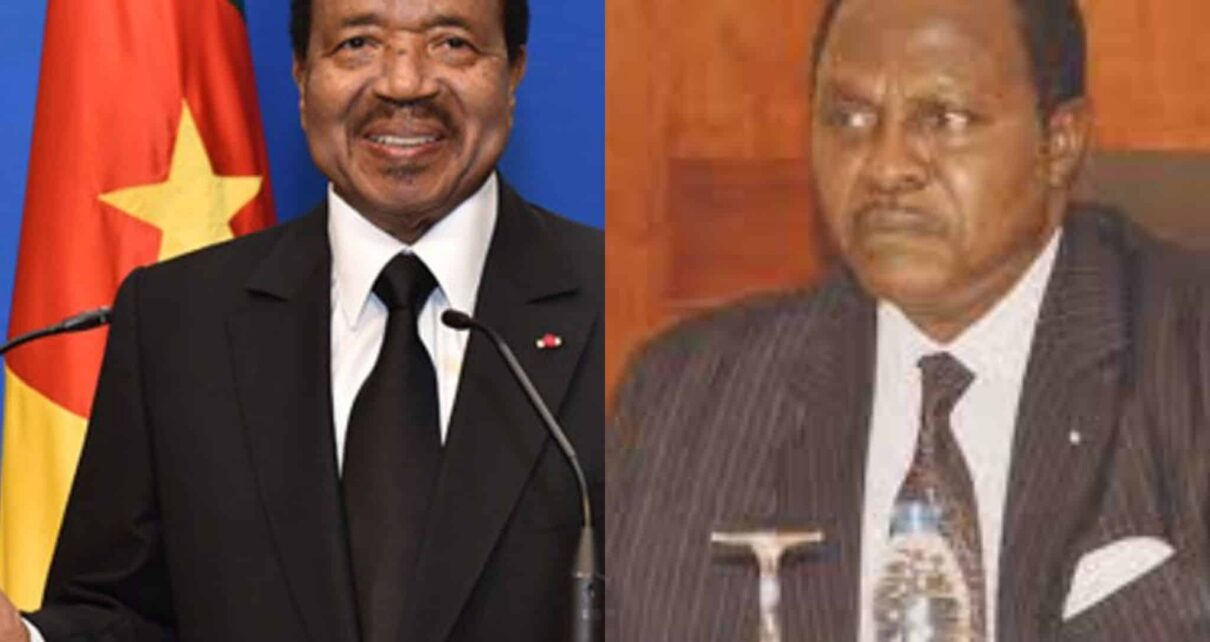
Shanda Tonme: ‘No Cameroonian leader has faced such an intractable situation’
The Universal Mediator and head of the Independent Commission Against Corruption and Discrimination (COMICODI) delivers a stark assessment of Cameroon’s current political landscape.
Cameroon’s existential crisis: evaluating leadership under pressure
In a blunt assessment, Shanda Tonme, Cameroon’s Universal Mediator and head of the Independent Commission Against Corruption and Discrimination (COMICODI), paints a bleak picture of the nation’s current political landscape. His analysis reveals a complex web of corruption, institutional decay, and the challenges facing President Paul Biya after decades in power.
Leadership in uncharted waters
Tonme argues that no Cameroonian leader has ever confronted such an intractable situation—one where loyalty to the nation must supersede tribal, clan, or personal allegiances. He emphasizes that Cameroon is the only priority, stating: ‘There is no village, tribe, clan, or friend in this equation—only Cameroon itself, and it must endure forever.’
The Mediator highlights the existential threat posed by systemic corruption, which has eroded public trust and undermined national institutions. He warns that no citizen is above the law, asserting that even the highest government officials must face scrutiny for their actions.
The burden of four decades
Reflecting on President Biya’s extended tenure, Tonme acknowledges the president’s resilience and patience in navigating Cameroon’s turbulent political waters. He notes that Biya has endured betrayals and scandals from within his own ranks, yet has maintained a measured approach to governance.
However, Tonme cautions against superficial reforms driven by toxic influence networks. He stresses that real change requires strong institutions and leaders of integrity—not quick fixes that perpetuate old habits. The question, he argues, is whether Cameroon will opt for cosmetic adjustments or pursue genuine transformation.
A nation at a crossroads
The Mediator underscores the urgency of addressing Cameroon’s deep-rooted issues, from corruption scandals to the misuse of public funds. He cites examples like a newly appointed board chairman demanding over 100 million FCFA to renovate his personal residence—an incident that epitomizes the decay in ethical standards.
Tonme warns that rushing change without proper preparation could destabilize the nation further. He advocates for patience and sacrifice, arguing that Cameroon’s destiny cannot be rushed—it must be built through sustained effort and collective will.
In his closing remarks, Tonme reiterates that Cameroon’s survival depends on prioritizing the nation above all else. He dismisses the notion that time is of the essence, stating that a nation’s development is not a race but a marathon. The true test, he concludes, will be whether Cameroonians can rise to the challenge of shaping a stronger, more accountable future.
Be the first to comment



Comments