What many feared has now materialized. Early Saturday morning, the Senegalese government issued a press release announcing an immediate upward adjustment to fuel prices at the pump. The new rates, effective today, see super gasoline climbing to 990 FCFA per liter—a 70 FCFA increase—while diesel now stands at 755 FCFA per liter, up 75 FCFA.
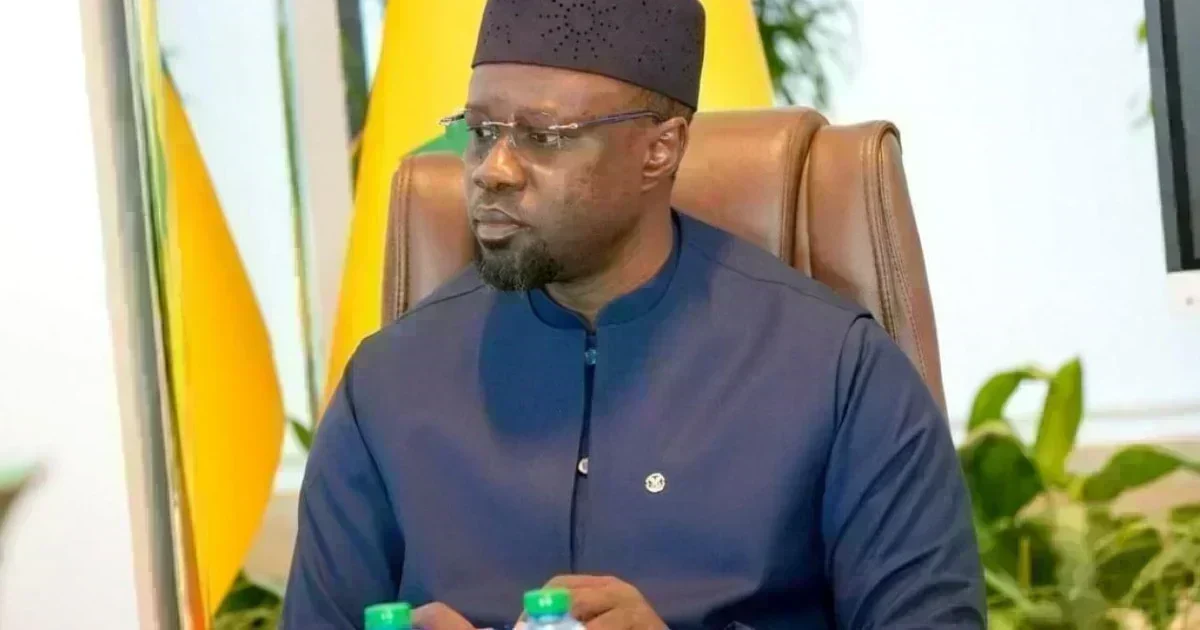
This move follows repeated warnings from opposition leader Ousmane Sonko, who cautioned lawmakers in May that such a hike could become unavoidable. Sonko had emphasized the government’s struggle to shield citizens from the ripple effects of the Middle East conflict, which has driven global oil prices to historic highs. “When it becomes impossible to delay the inevitable, we will have to return to the people and explain that the situation demands higher prices,” he declared during his address to the National Assembly.
Government officials have framed this adjustment as a return to pre-december 2025 levels, justifying the move by stating that temporary subsidies had artificially suppressed prices for nearly nine months. Notably, other petroleum products—including cooking gas and marine fuel—remain unaffected by the change.
Fuel price hike: what’s behind the decision?
The timing of this announcement is no coincidence. The Senegalese authorities have pointed to the sustained surge in international crude oil markets, triggered by the geopolitical instability in the Middle East. While the government has vowed to minimize the impact on households, it has acknowledged that external pressures leave little room for further intervention.
The price adjustment, though modest in absolute terms, carries significant implications for Senegal’s economy. Fuel is a critical input for transportation, logistics, and consumer goods, meaning the increase will likely feed into broader inflationary trends. For a population already grappling with rising living costs, this latest price shock adds another layer of financial strain.
Public reaction and political fallout
Sonko’s earlier statements had framed the potential hike as a last resort, balancing economic reality with social protection. However, critics argue that delayed action has only intensified the burden on ordinary citizens. Political observers suggest this development could further strain public trust in government economic policies, particularly as opposition figures amplify calls for alternative solutions.
The adjustment takes effect as Senegal navigates a complex economic landscape, where energy costs play a pivotal role in shaping both inflation and public sentiment. With global oil markets remaining volatile, further adjustments may lie ahead—leaving households and businesses to brace for continued uncertainty.