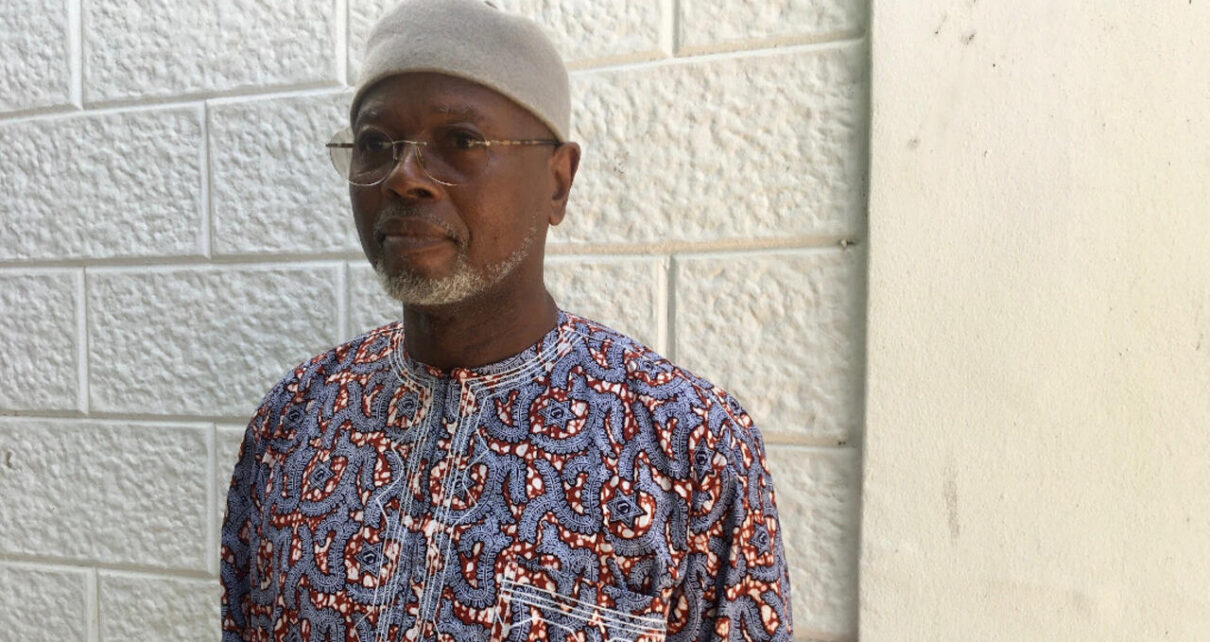
The enforced disappearance of leading Nigerien journalist Moussa Kaka on 31 August has exposed a troubling pattern of official opacity and regional inaction that runs deeper than any single arrest warrant.
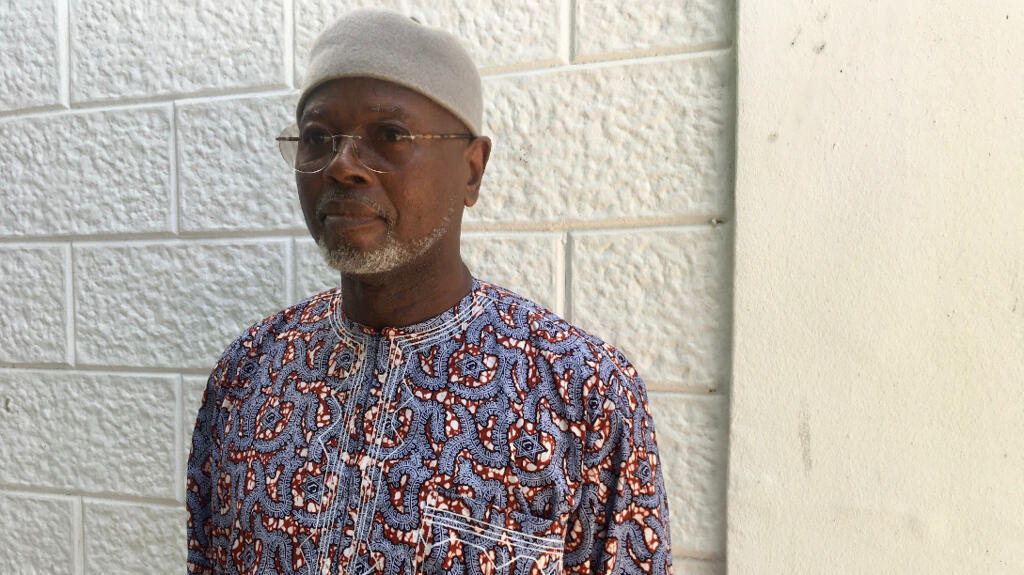
The unspoken calculus behind Niger’s official silence
Since the moment Moussa Kaka vanished after covering an opposition gathering in Niamey, authorities in Niamey have avoided providing any verifiable account of his whereabouts or legal status. What should alarm observers most is not the absence of a statement, but the consistency of that silence across multiple ministries, security agencies, and even regional bodies that previously prided themselves on transparency initiatives.
- Institutional paralysis: Departmental memos obtained in Niamey reveal that requests for information channelled through official hotlines are met with identical boilerplate replies—“case under administrative review”—a phrase that has stayed unchanged for over five weeks.
- Regional veto:
- ECOWAS internal minutes from a late-September extraordinary session show that proposed language condemning “enforced disappearances” was stripped from the final communiqué after objections from a neighboring state whose own intelligence services have been cited in similar cases.
What Alioune Tine’s intervention reveals about power networks
Alioune Tine, founder of the Afrikajom Center and former UN Independent Expert on Human Rights in Mali, broke ranks with polite diplomacy to label Moussa Kaka’s detention a “calculated attempt to erase voices that refuse official narratives.” His blunt assessment points to a rarely discussed dynamic: in Niger, as in several Sahel capitals, the crackdown on critical journalism no longer relies solely on overt censorship; it thrives on calculated invisibility.
Tine highlighted three mechanisms that help authorities sustain this shadow strategy:
- Legal limbo: By refusing to acknowledge custody, the state creates a grey zone where international due-process clocks are not triggered, delaying scrutiny from treaty bodies and regional courts.
- Bureaucratic blur: Multiple agencies claim plausible deniability—military intelligence says “civilian file,” civilian agencies point to “security dossier,” and the file formally migrates between ministries without ever landing on a single desk.
- Proxy pressure: Relatives and colleagues who publicly seek answers report receiving discreet calls from intermediaries offering “quiet releases” if advocacy stops—an offer that, if credible, would confirm state complicity in coercion and intimidation.
The ripple effect on West African press freedom
Moussa Kaka’s case is sending tremors through editorial rooms across francophone West Africa. Editors who once believed that “Niger respects basic protocols” now confront a chilling realization: if Niamey can make a journalist disappear without a single procedural safeguard being invoked, then the same playbook can be applied anywhere.
In Bamako, Ouagadougou, and Dakar, newsrooms are quietly revising contingency plans. Several have initiated “blackout drills”—pre-agreed schedules where publishing schedules are suspended if a reporter goes missing during sensitive assignments. The shift transforms journalism from a public watchdog into a community at risk, forcing families to weigh professional duty against personal safety.
Where accountability meets the information blackout
The most troubling insight to emerge thus far is the near-total absence of “leakable evidence”. No court filing, no police log, no hospital record has surfaced to substantiate the official line. In its place, an alternative narrative is gaining traction among analysts: Moussa Kaka may have been removed by factions within the security apparatus who perceive his reporting as a threat not to national security—but to lucrative cross-border contracts that rely on unmonitored trade corridors.
If this hypothesis holds, then the silence over his disappearance is not merely an embarrassment to be managed; it is a strategic imperative—one that explains why even African institutions viewed as bulwarks of democracy have so far declined to trigger punitive mechanisms like Article 4 sanctions under the African Charter on Democracy, Elections and Governance.
What comes next: pressure points and potential turning points
The question now is whether the cumulative weight of unanswered questions can force a tipping point. Possible flashpoints include:
- A regional human-rights court accepting a petition filed by Kaka’s family—a move that would require Niger to produce evidence or face adverse inferences.
- International financial institutions attaching transparent-disclosure clauses to upcoming budget-support tranches, making future aid conditional on credible investigations.
- The African Commission on Human and Peoples’ Rights convening an emergency session, thereby ending the de-facto moratorium on public condemnation that has shielded Niamey from direct censure.
Each of these paths carries risks—diplomatic fatigue, legal delays, and, most damaging, the creeping normalization of disappearances as just another cost of doing business in the Sahel. Breaking that cycle will require more than outrage; it will demand the kind of coordinated, strategic pressure that has so far been missing from the continental response.
Asking the right questions—and demanding answers
For journalists, activists, and international partners, the immediate priority is to move beyond the passive demand for “answers” and start interrogating the systems that allow answers to be withheld indefinitely. Key lines of inquiry should include:
- Which specific security units in Niger’s chain of command have custody, and why do they remain unaccountable to civilian oversight?
- What financial or geopolitical interests are served by keeping Moussa Kaka’s fate classified?
- How many other cases have been buried under identical layers of institutional silence?
- What protocols exist—or are missing—within ECOWAS and the African Union to trigger automatic sanctions when a member state flouts transparency norms?
The tragedy of Moussa Kaka’s disappearance lies not only in the individual injustice, but in the silent complicity of institutions designed to protect. Exposing that complicity may be the only way to restore the fading belief that journalism, accountability, and basic human dignity still matter in the Sahel.