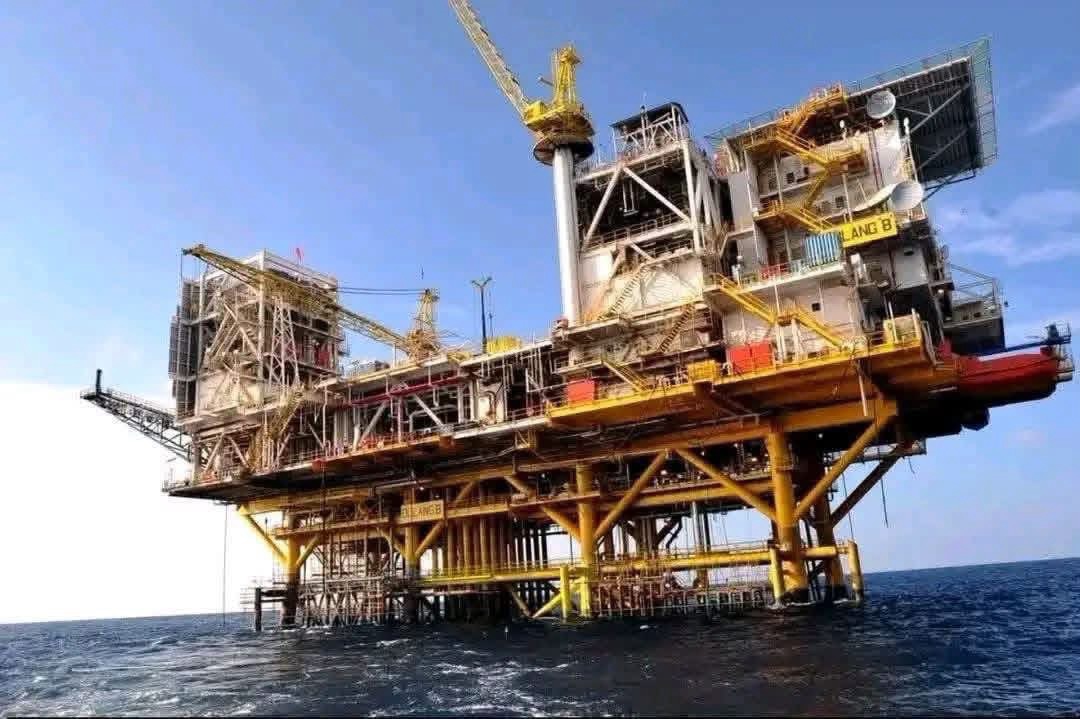
The Béninese energy sector is writing a new chapter. After nearly three decades on hold, the country is resuming oil exports. A landmark shipment of roughly 330,000 barrels from the offshore Sèmè field has just been dispatched to European markets, marking the restart of commercial activity at a deposit that lay dormant since the late 1990s. The Kriti Jade tanker, now en route to Rotterdam, is expected to reach its destination by mid-November 2026.
Why this oil restart matters
The return of Sèmè crude to the global market is more than a logistical milestone. It closes a gaping chapter in Bénin’s economic history and reinserts the country into the ranks of oil-producing nations. This first cargo signals that a decade-long effort combining technical rehabilitation, new drilling campaigns and strategic partnerships has finally yielded tangible results.
From hibernation to hard currency
Sèmè operated briefly between 1982 and 1998 before declining production, rising costs and unfavorable market conditions forced its shutdown. The field’s reactivation required fresh capital, advanced engineering surveys and specialized drilling teams. By early 2026, Akrake Petroleum Bénin achieved first oil, transitioning the project from rehabilitation to full-scale commercialization.
The immediate benefit is financial: every barrel sold generates foreign exchange and strengthens central-government coffers. In a world where energy prices swing unpredictably, owning an indigenous oil stream diversifies export revenue and reduces reliance on imports for fuel products. While Bénin will not ascend to the ranks of major petro-states, the return of crude exports adds a new pillar to an economy traditionally built on agriculture, port logistics and services.
Multiplier effects beyond the drilling platform
Building local capacity
Offshore activity ripples through many sectors marine logistics, industrial maintenance, engineering, transport and local subcontracting. Each of these segments can absorb Bénin-based companies, provided they meet competence and safety standards. Training programmes for national technicians and deliberate technology transfer aim to create a cadre of skilled workers, fostering an emerging energy-services ecosystem.
Attracting fresh capital
Successfully reactivating an aging field, securing specialized partners and delivering crude to overseas terminals can bolster investor confidence in Bénin’s energy sector. The credibility of future projects will hinge on transparent contracts, predictable regulations and sustained operations factors that reassure both international financiers and domestic stakeholders.
The refining paradox
A common misconception is that exporting crude oil automatically translates into cheaper fuel at home. Sèmè’s output is a raw material bound for international refineries; Bénin still imports refined products gasoline, diesel and jet fuel to meet domestic demand. There is no contradiction in these two flows, though policymakers may one day assess the merits of building local refining capacity.
Any such decision would require deep feasibility studies into volumes, crude quality, national demand forecasts, infrastructure costs and long-term profitability. The objective would be to capture more value-added within the national economy rather than sending barrels abroad only to buy back finished products.
Durability in the crosshairs
Technical and environmental vigilance
Offshore oil operations demand continuous capital injections, rigorous technical oversight and stringent environmental safeguards. Protecting marine ecosystems and ensuring operational integrity are non-negotiable elements if production is to expand safely.
The production endurance test
Sèmè’s long-term output will determine whether the revival is sustainable. Variables include the actual flow rates, frequency of shipments, operating expenses and the size of recoverable reserves. These metrics will reveal whether the project can move beyond a single cargo and into steady, profitable production.
Transparency as fiscal safeguard
Revenue management is just as pivotal as geological performance. Public disclosure of production volumes and fiscal receipts will be essential so citizens and oversight institutions can track how oil proceeds are reinvested infrastructure, energy diversification, education, health and human-capital development. Only transparent, auditable flows can guarantee that resource wealth becomes a catalyst for broad-based prosperity.
The departure of that first tanker from Bénin’s shores is not merely an export success story. It is the opening gambit in a longer play to convert decades of untapped geological wealth into enduring economic benefit for the nation and its people.
By IBRAHIM OUMAROU — Journalist