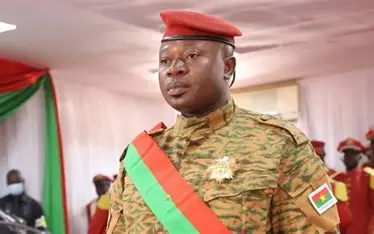
The legal pressure on Paul-Henri Sandaogo Damiba in Burkina Faso has reached a critical juncture. The former transitional president, who was in power before being ousted by Ibrahim Traoré in September 2022, now faces severe terrorism-related charges. This development thrusts an already politically and diplomatically charged case into sharper focus, raising pressing questions about justice and state commitments.
Will Burkina Faso honor its diplomatic pledges on Damiba’s extradition?
On November 13, 2026, during a press conference in Ouagadougou, the prosecutor general of the Court of Appeal announced that Damiba’s case is under investigation for three serious offenses: complicity in terrorist criminal association, illegal possession of firearms and ammunition for terrorist purposes, and financing terrorism.
These accusations, though unproven, mark a dangerous escalation in a case already laden with political tensions. While the presumption of innocence remains essential, the gravity of the allegations demands rigorous scrutiny and adherence to due process. Yet, the path ahead is fraught with uncertainty as legal procedures unfold.
Togo’s extradition decision: a gamble on assurances
After his fall from power, Damiba sought refuge in Lomé, where he remained until January 2026. At that time, the Togolese government approved Burkina Faso’s extradition request, and Damiba was transferred to Ouagadougou the following day. This move placed him under the authority of the military leadership that had deposed him years earlier, a decision fraught with diplomatic consequences.
The Togolese government had not acted lightly. In a January 19, 2026 statement, it emphasized securing guarantees regarding Damiba’s safety, dignity, judicial rights, and the right to a fair trial. Crucially, Burkinabè authorities pledged not to seek the death penalty against him. This promise was central to Lomé’s decision. But now, with new legal developments, the question looms: will Ouagadougou honor these commitments?
Death penalty’s return complicates an already delicate case
Burkina Faso’s legislative landscape shifted dramatically in October 2026 with the reinstatement of the death penalty in its penal code, applicable to serious crimes including terrorism. Since the charges against Damiba involve alleged complicity in terrorist acts, this legal change has intensified concerns about the fairness and humanity of his potential trial.
While no verdict has been delivered and the application of the death penalty is not automatic, the legal risk is undeniable. Legal experts will closely examine whether the new law applies retroactively, the timing of the alleged acts, and whether the assurances given by Ouagadougou remain valid. This is not just a judicial matter it strikes at the heart of international trust in legal cooperation.
Political legacy casts a shadow over justice
The fractures between Damiba and Ibrahim Traoré run deep. Traoré’s 2022 coup ended Damiba’s brief presidency, leaving behind a legacy of political tension that continues to shape Burkina Faso’s current leadership. Such divisions risk tainting the judicial process, making transparency and neutrality all the more critical.
The onus is on Traoré’s administration to allow Damiba’s trial to proceed without political interference. Evidence must stand on its own merit, not be overshadowed by personal or political rivalries. Damiba must be granted full access to legal counsel, the ability to prepare his defense, and a fair hearing before an impartial tribunal.
Can Togo hold Burkina Faso accountable for its promises?
The actions of Faure Gnassingbé’s government in Togo add another layer of complexity. By facilitating Damiba’s extradition based on specific judicial assurances, Lomé placed significant trust in Ouagadougou’s commitment to those terms. The reinstatement of the death penalty now calls those guarantees into question.
This is not about shielding a former leader from accountability but about ensuring that international cooperation remains rooted in legal integrity. Extradition should not become a mechanism for placing individuals in situations that violate the promises that enabled their transfer. As the case unfolds, Togo must decide whether to take further diplomatic action to uphold the assurances it secured.
A test for regional judicial cooperation
Beyond Damiba’s fate, this case raises a fundamental question: How can African countries maintain the credibility of judicial cooperation when guarantees provided before extradition are undermined by political and legislative shifts in the recipient nation? The fight against terrorism cannot justify abandoning the rule of law, nor can political rivalries dictate the outcome of a trial. Upholding justice means holding all parties to the standards of transparency, fairness, and respect for human rights standards that should never be compromised.
By AMINA SALEY — Journalist