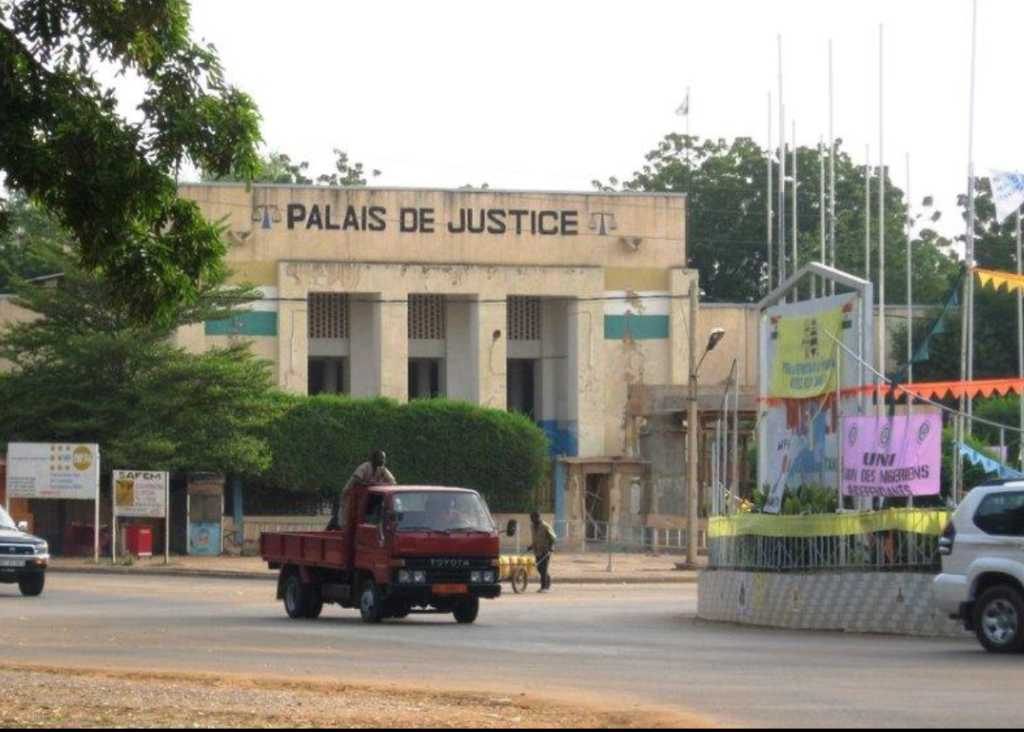
Is the Niger state court playing fair with retired magistrates?
Tensions are rising within Niger’s highest court after authorities extended the mandates of three senior judges while forcing others into early retirement. The decision has left many magistrates questioning whether the judiciary is managing careers equitably—or whether something far more troubling is at play.
The controversy centers on three key figures: Abdou Dan Galadima, president of the State Court; Hassan Hodi, vice-president; and Yaou Aboubacar, head of the administrative chamber. While two of these leaders have already benefited from two-year extensions, colleagues who have dedicated years to the institution now face mandatory retirement—sparking accusations of double standards at the top.
Why are some judges being held to different retirement rules?
At the heart of the dispute lies a glaring imbalance. Magistrates who have contributed significantly to the court’s operations now find themselves forced out, while others—despite overlapping circumstances—are granted extensions. Critics argue that these decisions lack transparent, merit-based justification, undermining trust in the institution’s fairness.
- Questionable career management: No clear criteria appear to govern these extensions, leaving many wondering if personal or political allegiances matter more than professional qualifications.
- Growing internal fractures: Reports of frustration among judges suggest that morale is deteriorating, with some fearing long-term damage to the court’s cohesion and authority.
Does this move risk politicizing Niger’s highest court?
The debate extends beyond administrative disputes. Questions are surfacing about whether the court’s leadership selections reflect genuine judicial independence or a calculated alignment with political interests. Observers highlight that such decisions, if unchecked, could erode public confidence in Niger’s justice system.
The controversies surrounding these extensions raise a critical question: Is the State Court supposed to serve the nation’s legal framework—or the prevailing political agenda? Without transparent explanations, the institution risks losing its credibility.
What’s at stake for Niger’s judiciary?
Niger’s State Court holds immense responsibility in upholding justice. Yet, when its own leaders face opaque retirement rules, the message sent to magistrates and citizens alike is unsettling. A judiciary that cannot guarantee fair treatment within its ranks cannot rightfully claim to deliver impartial justice to the public.
The current impasse is more than administrative—it strikes at the core of Niger’s judicial integrity. For a system built on equality before the law, inconsistencies in its own processes threaten its moral and operational authority. The nation’s citizens deserve better.
Can Niger’s justice system repair its reputation?
The path forward depends on decisive action. Clear, objective standards for judge retirements—and a willingness to address these concerns openly—could restore trust. Until then, the State Court remains at a crossroads: Will it reaffirm its commitment to fairness, or further deepen the divide between leadership and the judges tasked with upholding the law?