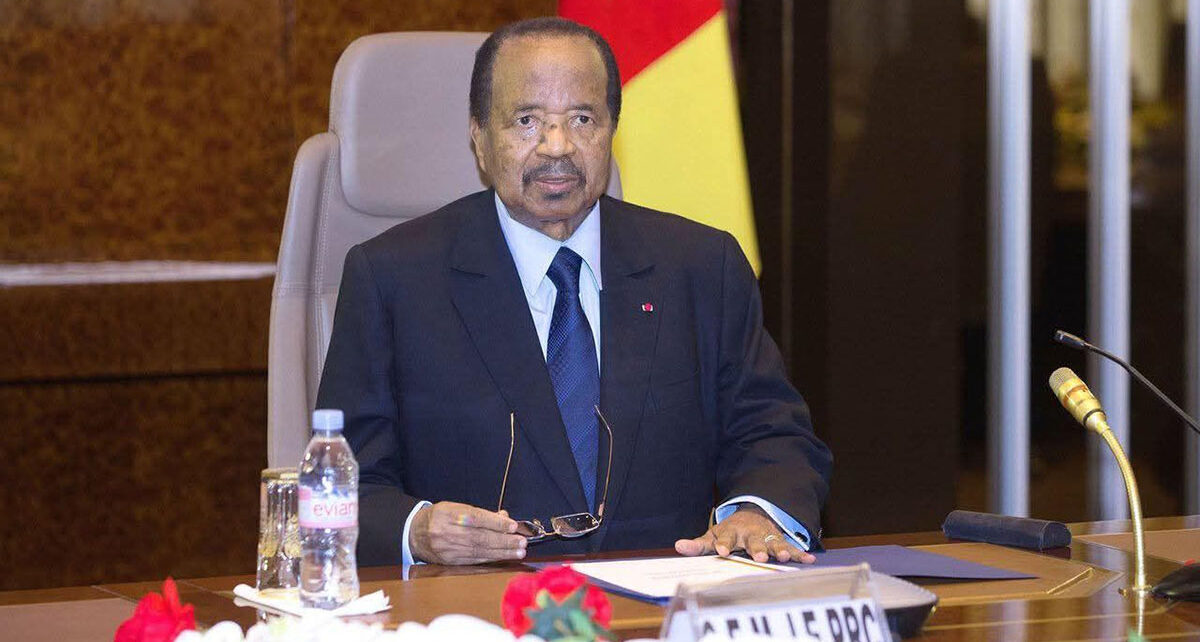
Backing Paul Biya: why the vice-presidential strategy matters
The June 29, 2026 announcement by the Finance Minister regarding the rehabilitation of Sonara sparked intense public debate. This bold statement followed closely on the heels of a highly contentious media report that reignited discussions about political succession in Cameroon.
Franck Biya and the unfolding power dynamics in Cameroon
Political analyst Michel Njilo argues that the Finance Minister’s June 29 statements have thrust the succession debate back into the spotlight. In his view, these remarks come as part of a deliberate campaign to undermine Franck Biya’s prospects, orchestrated by a well-known pan-African publication.
«The timing of these attacks raises serious questions», Njilo observes. «Why target Franck Biya now? Recent reporting suggested elite opposition from the Bulu community and youth resistance in the South. Yet behind closed doors in Geneva, President Biya faced two competing proposals for the vice-presidency: one from the First Lady’s camp and another from the Presidency’s General Secretariat. Notably, the President bypassed both suggestions and altered his travel arrangements to Switzerland, where high-level consultations with Franck Biya were scheduled.»
Gold trafficking allegations and the deep state’s endgame
According to Njilo, the emergence of whistleblower Boris Bertolt has intensified pressure on Franck Biya with explosive accusations of involvement in illegal gold trafficking networks. «These allegations are not isolated», he notes. «They follow the Martinez Zogo assassination investigation and ongoing gold smuggling cases before the Special Criminal Court—cases President Biya is closely monitoring.»
For Njilo, the delayed vice-presidential appointment and cabinet reshuffle create dangerous vulnerabilities. «After the Martinez Zogo affair exposed troubling links between the Directorate of Presidential Security and businessman Amougou Belinga, President Biya has reportedly shifted reliance to the Rapid Intervention Battalion (BIR). The BIR’s commander has relocated from Melen to a dedicated office at the Etoudi Palace, signaling heightened security measures.»
The BIR, an elite military unit, has historically handled national security threats, making it a critical asset in the President’s strategy.
A question of regional stability and global alliances
Njilo emphasizes that the current impasse carries significant security risks for the aging leader. «Following a last-minute travel cancellation triggered by U.S. embassy intelligence, American officials—who maintain close surveillance over Cameroon’s stability amid unsecured succession plans—have reportedly advised President Biya to restrict his movements for safety reasons.»
He adds that discreet diplomatic activity has intensified, including a recent visit by CIA Director William Joseph Burns, who met with Cameroonian intelligence chiefs shortly after landing in Yaoundé. These developments underscore President Biya’s continued control over national affairs despite persistent rumors of instability.
«Rather than succumbing to speculation, Cameroonians should recognize that only Paul Biya possesses the authority to orchestrate a peaceful transition. As internal power struggles escalate, his security—and the nation’s stability—hinge on decisive action.»
Be the first to comment

Comments