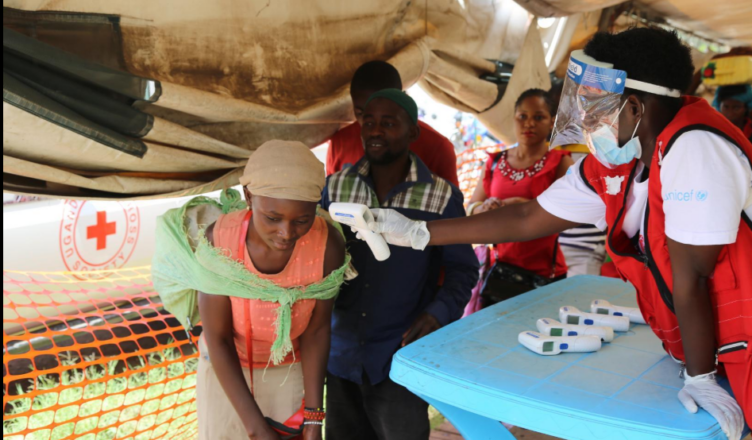
Ebola claims 438 lives in Democratic Republic of Congo amid rising concerns
The relentless Ebola virus outbreak in the Democratic Republic of Congo (DRC) has now claimed 438 lives out of 1,406 confirmed cases, according to the latest official figures. The fatality rate stands at 31.2%, underscoring the severe threat posed by this Bundibugyo virus strain, for which no approved vaccine or targeted treatment currently exists.
Declared on May 15, the outbreak has rapidly spread across multiple provinces, with the Ituri region remaining the hardest-hit area. A staggering 91.2% of all confirmed cases and 83.6% of fatalities have been recorded there. While the neighboring provinces of North Kivu and South Kivu have also reported cases, South Kivu has seen no new confirmed infections since May 26.
Health authorities have now confirmed a new case in Kisangani, the capital of Tshopo province, located approximately 600 kilometers from the primary outbreak zone. The infection was detected in a 24-year-old pregnant woman, who tragically lost her life after six months of pregnancy. Investigations revealed the virus had been transmitted through the illegal transport of her body by motorcycle from the Nia Nia health zone in Ituri. This clandestine movement posed a significant risk of further spread, particularly due to the high transmission potential of Ebola through contact with bodily fluids, including during traditional burial practices.
In a separate development, the neighboring province of Haut-Uélé has also reported one death and one new infection. Health officials confirmed the infected individual had traveled from the Nia Nia health zone in Ituri and is currently being tracked to prevent additional transmission.
Despite these concerning developments, health authorities maintain that only three provinces—Ituri, North Kivu, and South Kivu—are officially affected by the outbreak. Cases reported in Tshopo and Haut-Uélé are classified as “imported” infections originating from Ituri. Contact tracing efforts are underway, with some individuals relocated to Ituri for medical monitoring to contain the spread.
Ebola, transmitted through direct contact with bodily fluids, has devastated communities across Africa over the past five decades, resulting in over 15,000 deaths. The DRC has faced particularly severe outbreaks, including one of the deadliest between 2018 and 2020, which claimed nearly 2,300 lives.