The path to lasting peace in eastern Democratic Republic of Congo (DRC) has hit a dead end. The Washington-brokered agreement between Kinshasa and Kigali, signed on June 27, 2025, set a July 15 deadline for Rwandan troop withdrawals from North and South Kivu. Yet, with the deadline long passed, the deal remains unimplemented.
The accord promised far more than just military disengagement. It outlined a framework for demobilizing armed groups, restoring state authority, and fostering regional cooperation. However, military clashes have intensified across eastern DRC, with the M23 rebel alliance—backed by Rwanda—continuing to control vast swathes of territory in both Kivu provinces.
Despite stern warnings from Washington and repeated calls for restraint, violence shows no signs of abating. Local communities bear the brunt of the fighting, with civilians caught between government forces, rebel factions, and foreign-backed militias. Aid organizations report rising displacement and humanitarian crises as frontlines shift unpredictably.
Diplomatic efforts have stalled. The United States, which played a pivotal role in brokering the agreement, now finds itself with limited leverage. Sanctions imposed on regional actors have failed to curb the escalation, raising questions about the feasibility of external mediation in such deeply entrenched conflicts.
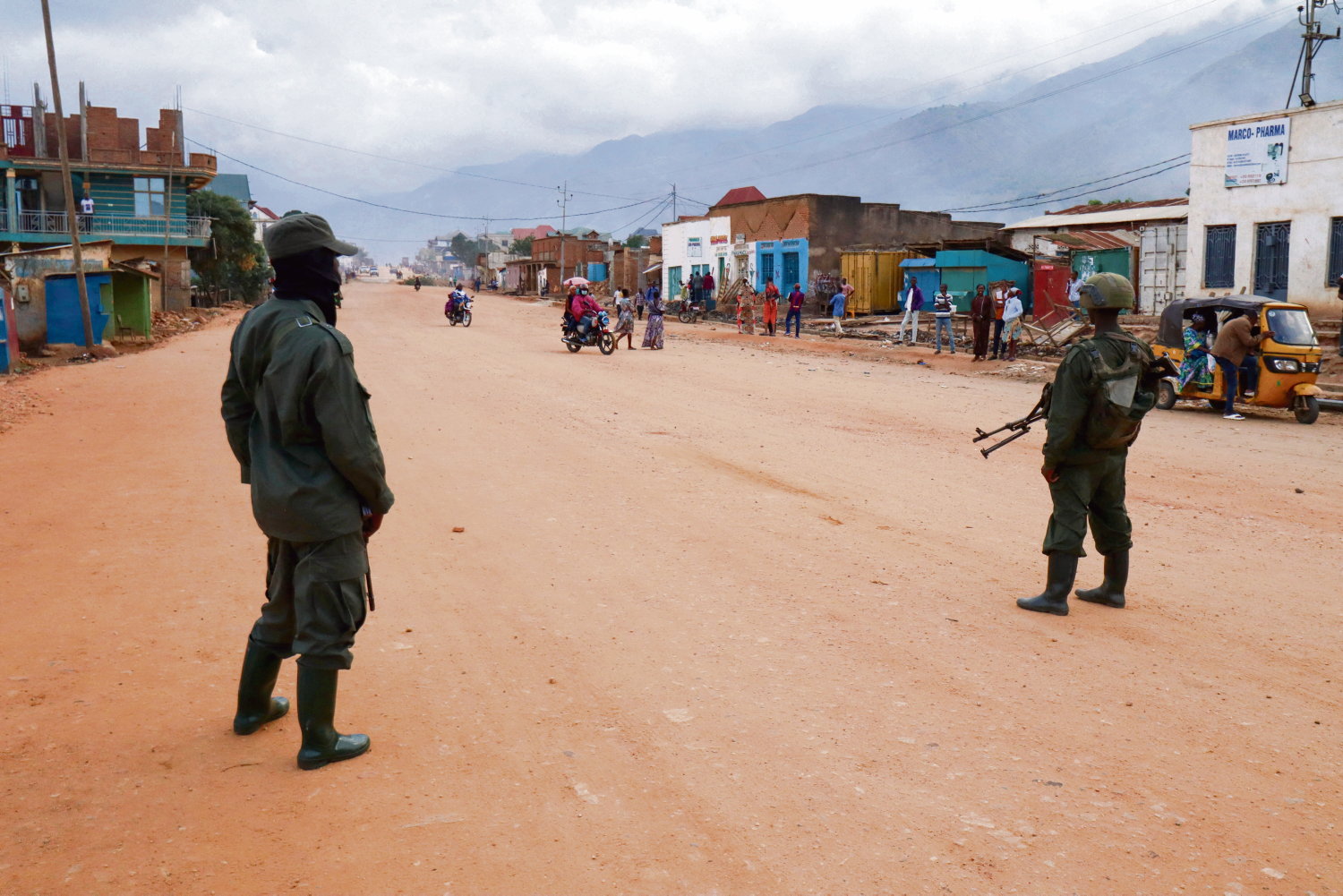
Meanwhile, civilians in North and South Kivu face a bleak reality. Markets have shuttered, schools operate intermittently, and families flee their homes at a moment’s notice. The international community’s inability to enforce peace terms has left locals questioning whether diplomacy can ever outpace the guns.