Hundreds of displaced Dogons return to Bankass after local accords
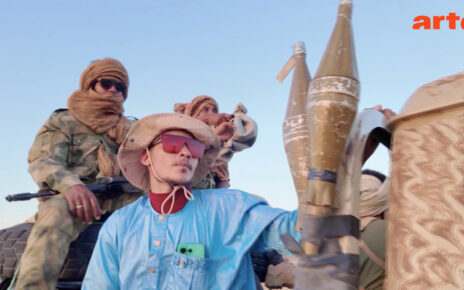
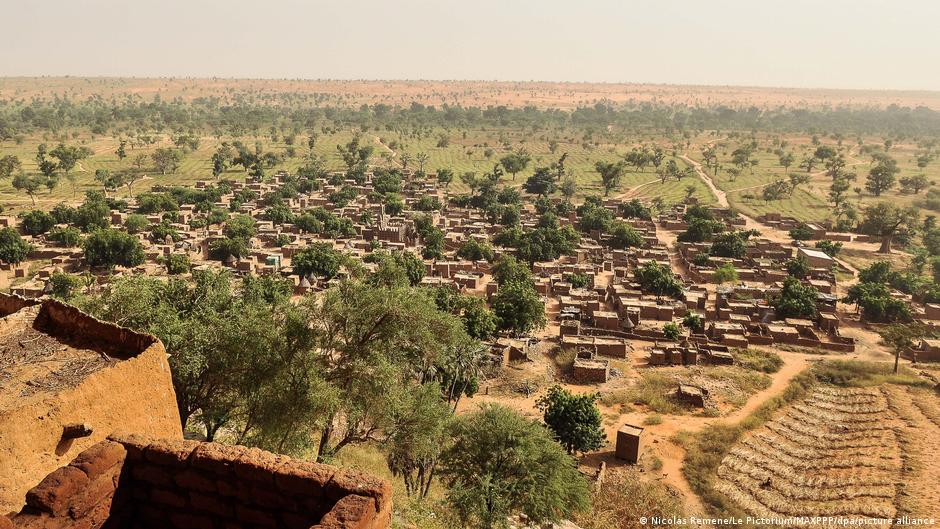
In a significant development, hundreds of internally displaced persons, primarily from the Dogon community, have begun returning to their homes in the Bankass district of central Mali. This return follows a series of local agreements reached between village leaders and the Group for the Support of Islam and Muslims (JNIM), an armed faction linked to Al-Qaeda operating in the Sahel region.
The repatriation coincides with the onset of the rainy season, offering a window of opportunity for returnees to resume agricultural activities in their fields. However, the conditions for this return are stringent and reflect the influence of the armed group over local governance in the area.
Strict rules imposed by armed groups
To facilitate their return, returnees must adhere to a set of rules dictated by the JNIM, including:
- Dress codes: Men are required to wear short pants, while women must wear the Islamic veil.
- Education restrictions: Public schools teaching Western curricula are banned, and institutions that once operated under Malian state authority have been shut down.
- Religious obligations: Daily prayers and adherence to Islamic practices are enforced in public life.
These measures, though controversial, have allowed displaced families to reclaim their homes and livelihoods, particularly in farming and herding, which are central to the local economy.
Voices from the ground: hesitation and adaptation
A resident of Bare Darsalam, who chose to remain anonymous, shared his experience of returning after seven years of displacement:
« Our village school was destroyed in 2019 when armed groups took control. Rebuilding it under their conditions is not something we can accept immediately. We returned because the mayor of Bankass gave us guarantees, but we haven’t yet started wearing short pants. We also didn’t bring our wives back, as we’re unsure about the veil requirement or other obligations. »
The resident acknowledged that while the return is a relief, the imposed rules have created uncertainty about the future of education and personal freedoms in the community.
Local leadership’s perspective on the return
Allaye Guindo, the mayor of the urban commune of Bankass, confirmed that the agreements have led to a notable increase in returnees. He noted:
« The signing of these local accords has encouraged people to return to all the abandoned villages. Currently, 13 villages are receiving returnees, including communities from Kani Bozon and Dimbal. With the rains now falling, many have resumed farming safely. The situation is improving, and people are satisfied with the progress. »
However, the mayor also highlighted that local authorities and customary leaders must align with the rules set by the armed groups, which prioritize the implementation of Sharia law as the foundation of their collaboration with villagers.
Balancing safety and autonomy
The return of displaced Dogons to Bankass underscores the complex realities faced by communities in conflict zones. While the agreements provide a pathway to reclaim homes and livelihoods, they come with compromises that challenge traditional ways of life and educational values.
As the rainy season progresses, the coming months will reveal whether these returnees can sustain their newfound stability—or whether the imposed conditions will deepen divisions within the community.